
Iran has issued a warning of potential new surprises for the United States if military actions against it resume. Despite hints of progress towards a peace deal, the threat of escalating hostilities remains significant.
President Donald Trump revealed on Monday that he paused a U.S. attack on Iran after discussions with leaders from Qatar, Saudi Arabia, and the United Arab Emirates suggested that a peaceful resolution might be possible. These talks come as Pakistan, acting as a mediator, passed a new peace proposal to U.S. negotiators.
Speaking to reporters on Tuesday, Trump mentioned he was close to ordering strikes but halted them to allow further negotiations. A return to open conflict could disrupt the fragile ceasefire that has been in place since early April, although minor exchanges have occurred during this period.
Last week, Trump described the ceasefire as being in a precarious state. The U.S. had launched attacks on Iranian military sites in response to Iran’s missile and drone activities as U.S. warships passed through the Strait of Hormuz. Despite U.S. pressure, Iran continues to control the strait, restricting passage to approved ships since late February when the U.S. and Israel initiated attacks.
The situation has caused significant disruptions, stranding thousands of sailors and affecting global fuel prices. As the conflict extends, Trump’s administration faces decreasing approval ratings, adding pressure ahead of the November midterm elections.
Recent shipping data from Reuters indicated two Chinese oil tankers exited the strait on Wednesday, while Vice President JD Vance mentioned that discussions are in progress. However, he acknowledged the uncertainty over the negotiating stance but affirmed the U.S. military’s readiness to resume operations against Iran.
Trump expressed that Iran is eager to negotiate but noted discrepancies between written terms and discussion points in negotiations. Although he has frequently threatened military action, such threats have often been dialed back as talks continue.
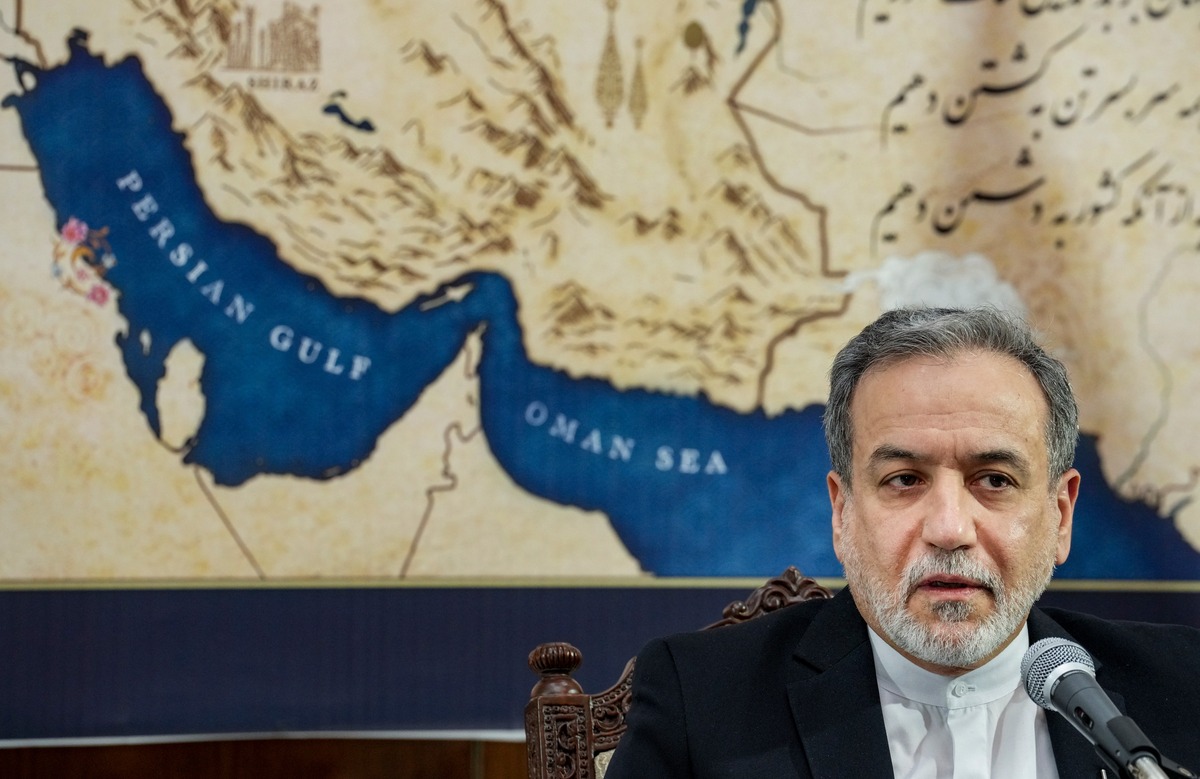
“With lessons learned and knowledge we gained, return to war will feature many more surprises,”
said Iranian Foreign Minister Abbas Araghchi on Tuesday. Iran’s readiness to counter military aggression was emphasized by Iranian diplomat Kazem Gharibabadi in a recent online statement.
Gharibabadi informed Iranian lawmakers about a proposal recognizing Iran’s right to enrich uranium. This proposal includes lifting the U.S. blockade on Iranian ports, a restriction still in place despite the ceasefire. According to the U.S. Central Command, 89 vessels have been turned away since the blockade’s enactment.
The proposal also includes the U.S. compensating Iran for damages caused by strikes and lifting sanctions on Tehran. It aims to cease Israel’s conflict with Hezbollah in Lebanon. However, Trump has rejected all proposals and maintains that the U.S. will not allow Iran to acquire nuclear weapon capabilities. While Iran claims its nuclear program is peaceful, international experts suggest its uranium enrichment is nearing weapons-grade levels.