
Introduction to U.S. Use of Sea Drones
For the first time, the U.S. military has used sea drones in combat, targeting a key Iranian hub involved in repairing submarines. This action marks a significant development in military technology usage by Western nations.
Background on Sea Drone Usage
Though sea drones have been utilized by Ukraine since 2022 to target Russian ports in the Black Sea, the U.S. application against Iran represents the initial combat deployment of such technology by a major Western military. The drones used in this mission are referred to as one-way attack sea drones, often described as kamikaze drones.
Details of the Strike
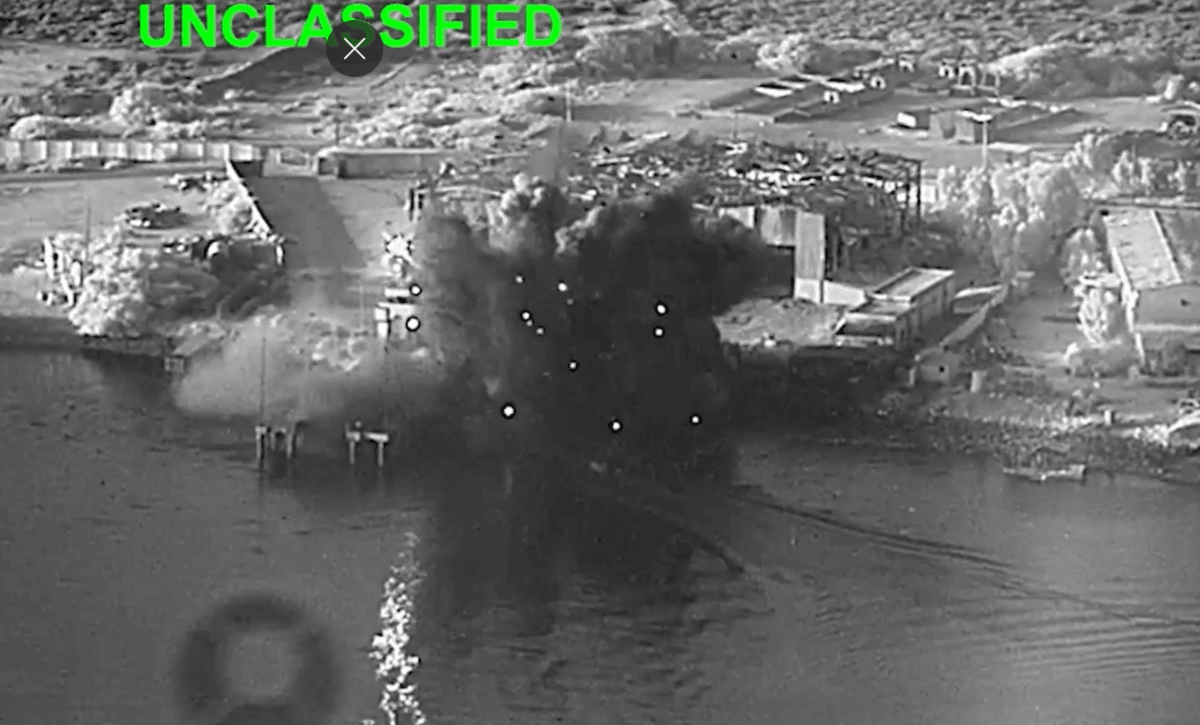
The U.S. utilized three Corsair naval drones to strike Iran’s naval base in Bandar Abbas. This port is of central importance to Iran’s naval forces and is located near the strategic Strait of Hormuz. The impact footage, though not independently verified, was released by the U.S. Central Command.
Specifications of the Corsair Drones
The Corsair sea drones are manufactured by Saronic, a company based in Texas. These drones measure 24 feet in length and have the capacity to travel at speeds of up to 40 miles per hour over a distance of approximately 1,150 miles. The U.S. Navy established a $392 million contract with Saronic for these drones in December 2025.
Consequences and Escalation
The strikes have resulted in the deaths of three people in southern Iran. The U.S. military claims these actions have diminished Iran’s capacity to disrupt commercial shipping. In response, Iran launched attacks on tankers in the Strait of Hormuz and targeted U.S. military positions in Jordan and Bahrain.
Recent Developments in the Conflict
Conflict between the U.S. and Iran intensified following joint U.S.-Israeli strikes in late February. Iran’s retaliatory actions have focused on U.S. allies and the critical Strait of Hormuz, a passage that facilitates a fifth of global oil and gas transport.
Amidst the ongoing conflict, the U.S. seeks to reopen the Strait fully, although efforts have been met with challenges. President Donald Trump announced a renewed blockade on Iranian ports, alongside a 20 percent tariff on goods passing through the Strait. Meanwhile, Iran is drafting legislation to strengthen its control over the Strait of Hormuz, emphasizing its strategic importance.