
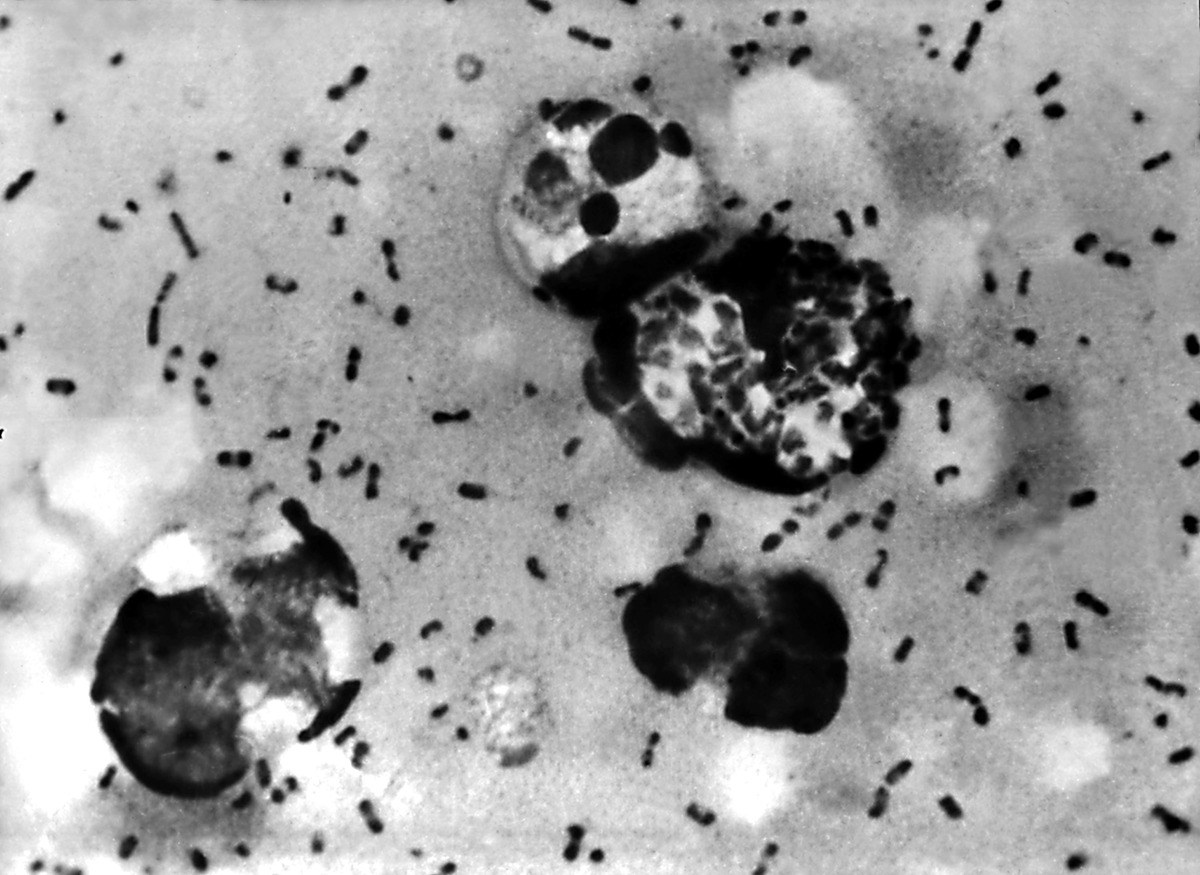
A woman in Siberia has reportedly died of suspected plague, leading to extensive anti-epidemic actions by Russian officials. Igor Kobzev, governor of the Irkutsk region, stated that discussions were held with the head of Rospotrebnadzor, Russia’s public health agency, concerning a serious infection case involving a regional resident.
The woman, Daria Shipilova, has been identified as a 28-year-old lab technician at the Irkutsk Anti-Plague Institute by the People of Baikal publication, an independent regional outlet. Her death highlights the ongoing threat of plague, which has seen 4,000 suspected instances from 2019 to 2025 across ten countries, as reported by the World Health Organization (WHO).
Plague transmission occurs through fleas harboring the Yersinia pestis bacterium or through direct contact with infected materials, animals, or particles. Bubonic plague is prevalent, though pneumonic and septicaemic plagues exist as well. The bacterium is naturally found in certain global regions, leading to sporadic flare-ups, primarily in Africa.
Historically, plague caused millions of deaths, notably during the Black Death in the 14th century, which decimated Europe’s population by one third. Fortunately, health experts indicate that plague is now treatable with antibiotics if identified promptly.
Local Hospital Quarantine
The fatality occurred in Shelekhov, near Irkutsk’s main city. Shelekhov mayor Maxim Modin confirmed the local hospital is under quarantine, with lab tests paused, and patient admissions and discharges halted. In Buryatia, a neighboring region, governor Alexey Tsydenov noted a possible plague death which is prompting wide anti-epidemic measures. Kobzev has mentioned that several people are under medical surveillance.
Russian media report around 200 individuals were in contact with Shipilova. Reports from a popular Telegram channel linked to Russian security services indicate the woman died from pneumonic plague.
Understanding Plague Types
The WHO considers pneumonic plague as the most aggressive plague form, affecting lungs with an incubation period as brief as 24 hours. It causes coughing and shortness of breath and is highly contagious, spreading easily via respiratory particles.
Bubonic plague, more common, results in chills, vomiting, aches, fever, and swollen lymph nodes, potentially leading to pus-filled sores. If it progresses, bubonic plague can become pneumonic by reaching the lungs or septicaemic if it enters the bloodstream.
From 2019 to 2025, Mongolia confirmed 17 plague cases resulting in seven deaths from bubonic and septicaemic plagues. Research in June revealed that hunter-gatherers near Lake Baikal in southeastern Siberia experienced lethal plague outbreaks approximately 5,500 years ago.
For inquiries on this story, contact Edward Pearcey at Newsweek.