
In April, the United States indicted Rubén Rocha Moya, the governor of Sinaloa, a Mexican state long troubled by cartel influence. This move marked a significant shift, demanding the Mexican government tackle political protection systems enabling cartel power. U.S. prosecutors alleged Rocha and other Sinaloa officials facilitated drug trafficking into the U.S. and protected cartel members in exchange for political support and bribes. Rocha, associated with Mexico’s ruling party Morena, denies these charges.
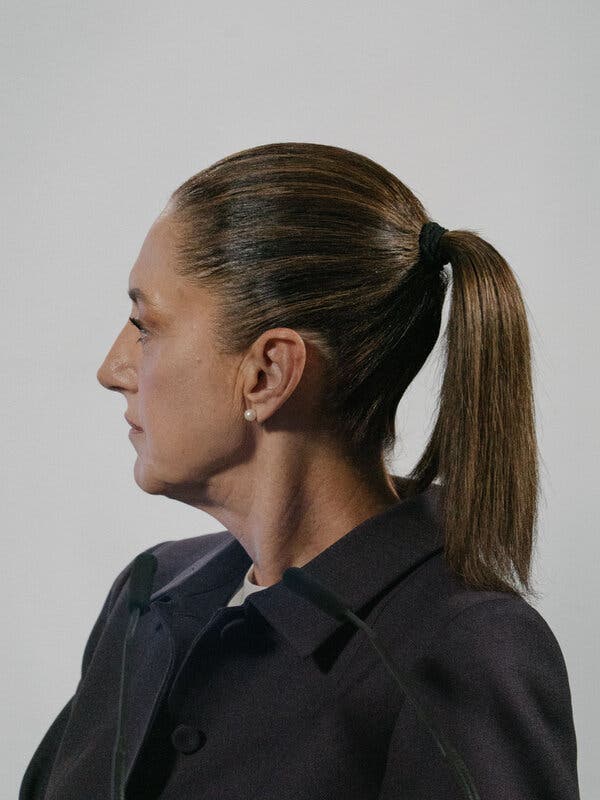
The indictment challenges Mexico’s sovereignty and political stability, testing the ruling party’s unity and power. President Claudia Sheinbaum now faces a dilemma—acting against Rocha might expose coalition fractures and accusations of succumbing to U.S. pressure. Conversely, ignoring strong evidence could cast doubts on her resolve to combat cartel corruption.
Sheinbaum could seize this moment to cleanse her party and more broadly, addressing entrenched narco-politics. Since Mexico’s transition to democracy in 2000, political mechanisms restraining organized crime weakened, allowing cartels to infiltrate political campaigns and influence authorities. Although the government’s militarized cartel crackdown since 2006 didn’t dismantle political-criminal arrangements, these factions flourished amidst violence, leaving many dead or missing.
Morena emerged, founded by former President Andrés Manuel López Obrador, intending to distance from this violent era. His ‘hugs, not bullets’ strategy aimed to ease violence through increased social spending and avoiding direct cartel confrontations. However, this approach allowed cartels to expand control and influence further.
Now, with escalating U.S. demands for Mexico to address organized crime, parts of Morena face accusations of the corruption they vowed to eradicate.