
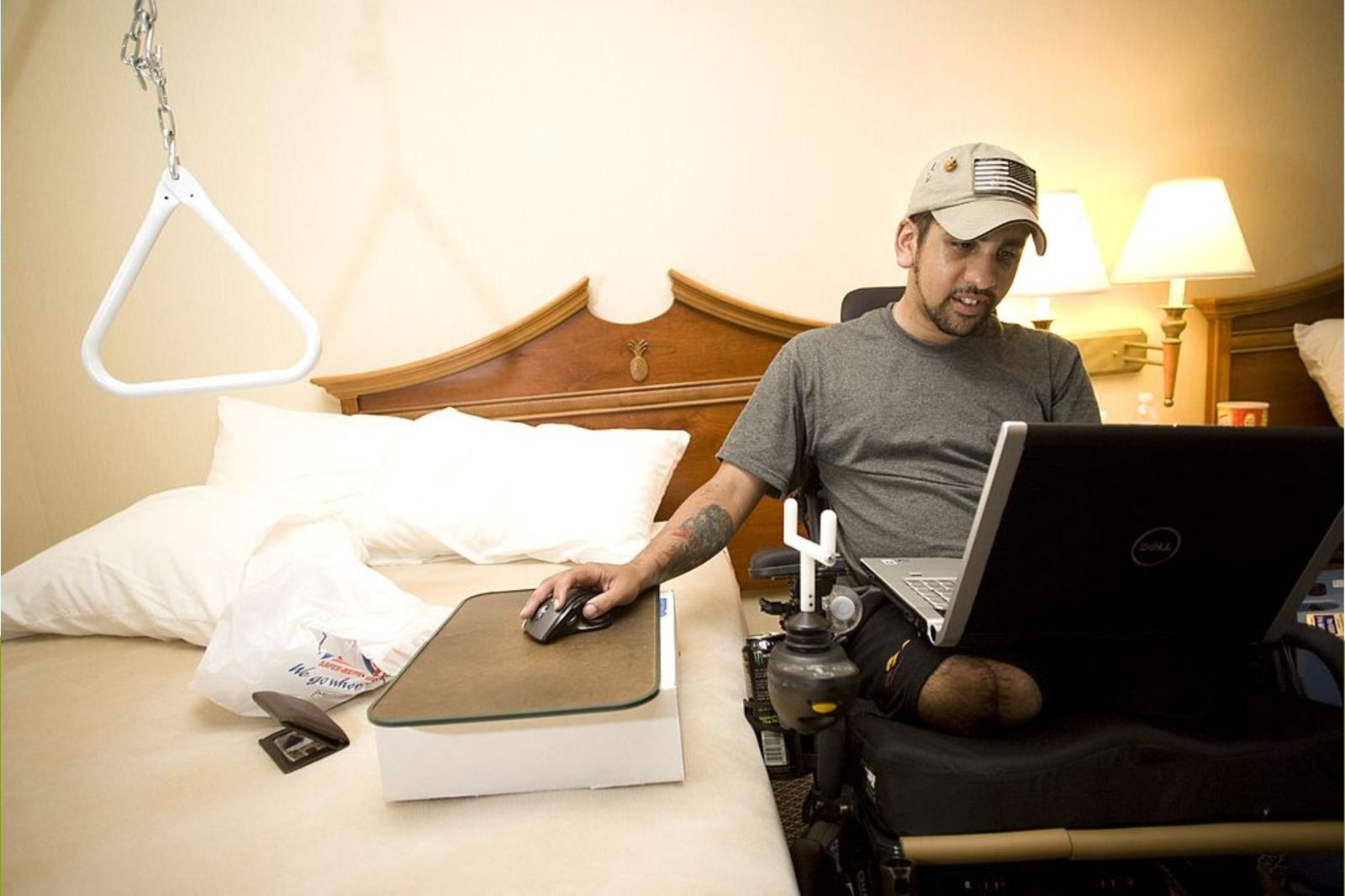
The House of Representatives has approved a bill to provide approximately $10,000 annually in additional benefits to some severely disabled veterans. This legislation, led by House Veterans’ Affairs Committee Chairman Mike Bost and bill sponsor Tom Barrett, aims to enhance support for veterans with catastrophic, service-related injuries requiring round-the-clock care.
The bill represents the first significant non-inflationary increase in these benefits in more than two decades. Bost stated in an interview with Military.com, “Decades have passed since we’ve increased the amount they receive. Since 9/11, no meaningful increase has been granted.”
Why It Matters
Affected veterans have primarily received cost-of-living adjustments since the early 1990s. Many require 24-hour caregiving, specialized medical equipment, and assistance with daily activities, prompting lawmakers to emphasize the need for additional federal support to avoid financial strain on families.
Proposed Changes
The Sharri Briley and Eric Edmundson Veterans Benefits Expansion Act proposes a $10,000 annual increase in Special Monthly Compensation (SMC) for veterans with severe disabilities like traumatic brain injuries, paralysis, or limb loss. Approximately 7,000 veterans nationwide would benefit from these changes, along with a 1.5% increase in Dependency and Indemnity Compensation (DIC) for surviving spouses and families.
Barrett emphasized the importance of supporting military families. “Our nation can never fully repay the debt owed to our heroes,” he remarked, “Passing bipartisan legislation shows our commitment to trying.”
Impact on Veterans
If enacted, the bill would:
- Provide hundreds more in monthly income to eligible veterans.
- Offer financial stability to families providing full-time care.
- Expand support for survivors of service members who died in duty.
However, the proposal is not yet law. Senate action and further congressional negotiations will define final eligibility rules and timing.
“Families of catastrophically disabled veterans face costs far beyond old benefit levels,” Alex Beene, a financial literacy instructor at the University of Tennessee at Martin, told Newsweek. “An extra $10,000 a year wouldn’t solve all problems, but would significantly aid daily care and related expenses for veterans.”
Funding Debate
While the increase enjoys broad support, funding methods have provoked debate. Estimated to cost billions, some proposals suggest adjusting VA home loan fees for certain veterans. Critics argue this approach might burden other veterans.
“It’s politics: benefits versus offsets,” said Kevin Thompson, CEO of 9i Capital Group. “The bill raises veterans’ supplemental income, but proposes funding by increasing home loan fees for veterans rated below 70 percent disabled.”
Next Steps
With the bill having passed the House, it now goes to the Senate for deliberation. Over twenty veteran service organizations, including the Wounded Warrior Project and Veterans of Foreign Wars, support the proposal. Its Senate journey will likely focus less on supporting veterans, and more on agreeing on funding methods without imposing additional burdens on the veteran benefits system.