
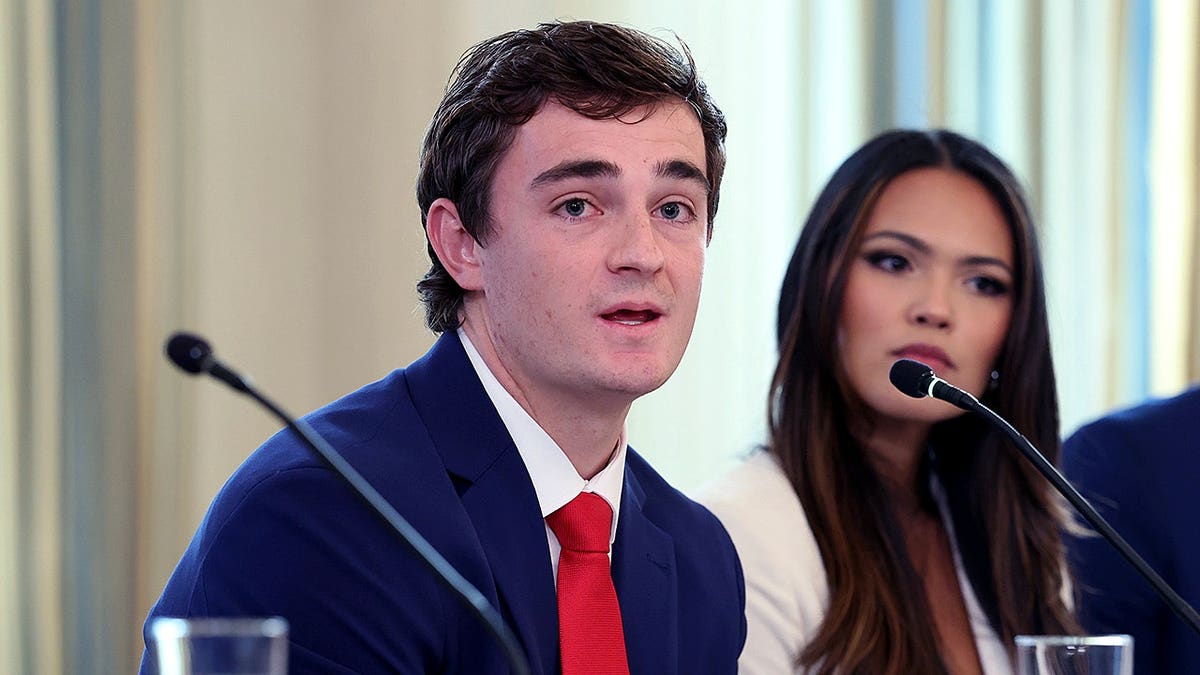
Independent journalist Nick Shirley has accused California lawmakers of trying to protect organizations funded by taxpayers from scrutiny. This follows the advancement of AB 2624, which some have called the ‘Stop Nick Shirley Act.’ The bill aims to protect immigration service providers from harassment and threats, an objective its critics argue could impede investigations.
Speaking on ‘Fox News @ Night’ with Trace Gallagher, Shirley expressed concern about shielding organizations that handle public funds from accountability. He fears the bill could discourage reporting on potential fraud involving nonprofits and organizations linked to immigration services.
‘The bill seems to protect NGOs and nonprofits,’ Shirley said. ‘These groups use our tax dollars, yet they want to limit transparency.’
Shirley emphasized previous reports of alleged fraud involving Minnesota nonprofits and hospice operators in California. He cited significant financial misconduct in these cases, highlighting the need for rigorous investigation.
Following his criticism, Shirley faced a response from Assemblymember Mia Bonta, who sponsored the legislation. Bonta cited threats faced by immigrant service providers as a reason for proposing the bill. However, Shirley argued that the legislation could open investigative journalists to legal risks when examining these publicly funded entities.
Shirley’s remarks attracted attention from various public figures, including Rep. Tim Burchett and activist Lily Tang Williams. They expressed concern over the potential impacts of the legislation, with Williams emphasizing the responsibility of the federal government to ensure transparency in taxpayer-funded operations.
The bill, titled ‘Privacy for Immigration Support Services Providers,’ passed the California Assembly and now awaits a Senate vote. It aims to offer privacy and address-confidentiality protections for threatened immigration service providers.
Fox News Digital sought comments from Assemblymember Bonta but received no immediate response. This issues highlights continued debate over the balance between transparency and protecting individuals in sensitive roles.