
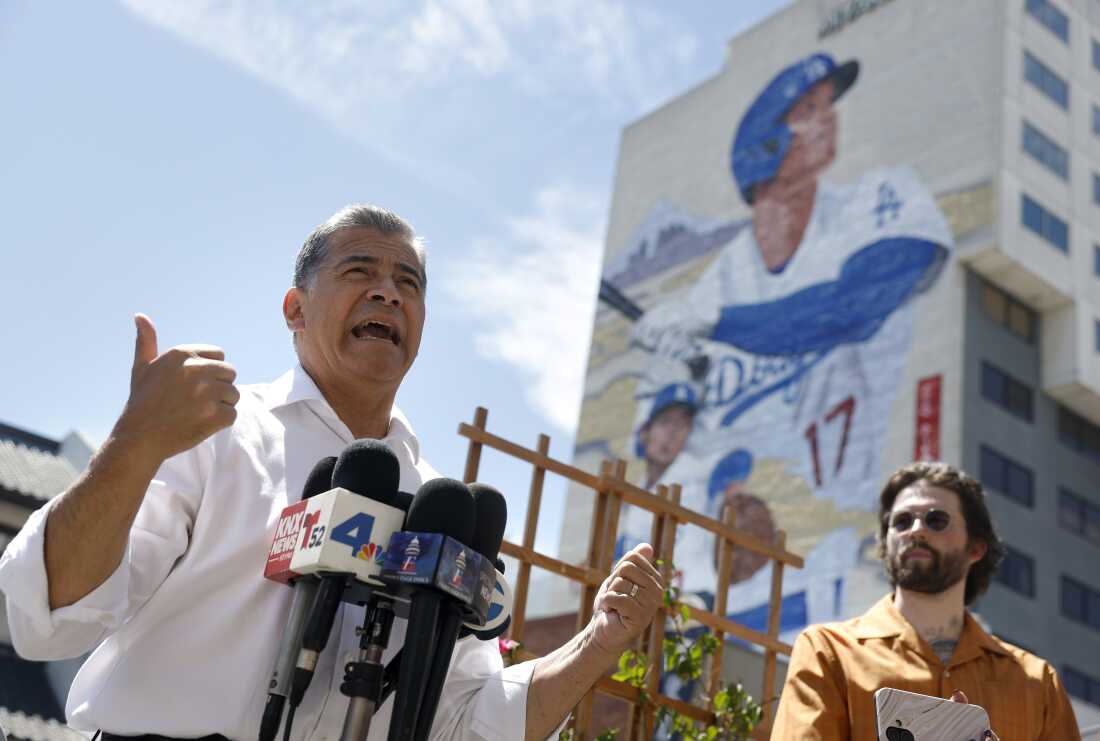
Xavier Becerra, Democrat, campaigns in Los Angeles’ Little Tokyo for California governor, facing Republican Steve Hilton. Becerra emphasizes his role in expanding the Affordable Care Act, a key element of his campaign as polls suggest he may win in November. If he does, he will confront declining health insurance coverage in California due to federal cuts.
Federal Cuts Impacting Health Coverage
By 2030, uninsured Californians under 65 could rise from 2.4 million to 4.6 million, according to the University of California, Berkeley Labor Center. This could affect hospitals, insurers, and the economy. The labor center’s Miranda Dietz told legislators in February that these changes might cost California about 200,000 jobs, predominantly in healthcare.
Jessica Altman, executive director of Covered California, warns of rising premiums as health plans manage sicker and more expensive enrollees. California previously dropped its uninsured rate significantly through ACA adoption. Now, Becerra must navigate a shrinking federal safety net.
Becerra’s Experience and Proposed Actions
Becerra, as former California attorney general, defended ACA provisions. He plans to issue an executive order to maintain coverage despite federal cuts but has not specified how to compensate for a potential $30 billion federal funding loss. At a Politico forum, Becerra said he’d press the industry to reduce waste, redirecting savings to healthcare.
Hilton, endorsed by President Trump, intends to cut coverage for Californians without legal status, reallocating funds to issue tax breaks. He views reducing taxes as a quick solution to healthcare costs.
ACA and Becerra’s Record
In 2010, Becerra aided ACA’s passage, working to expand coverage under President Biden. Before the ACA, 50 million Americans were uninsured. It halved the uninsured rate through Medicaid expansion. During COVID-19, Becerra stopped Medicaid disenrollment and granted temporary credits, boosting insured rates.
Under Biden, health coverage reached 92%. However, conservatives argued these policies led to excess and fraud. The Trump administration limited enrollment and income reporting, challenging previous gains.
Republican Actions and Consequences
The GOP passed Trump’s One Big Beautiful Bill Act, aiming to minimize Medicaid spending by over $900 billion while tackling fraud. Enhanced credits expired, raising middle-income premium payments and reducing enrollment. Changes may reverse ACA policies that expanded coverage.
Eric Maciel, faces high costs for a Covered California plan. Health economists see him as valuable to insurers due to being young and healthy. Hilton critiques state policy changes like a provider tax that could increase premiums, yet lacks specific solutions.
California Retreats on Coverage
State costs and federal cuts force California to reconsider coverage. Federal funds comprise a third of the state budget and 60% of Medi-Cal spending. Gov. Gavin Newsom has halted certain enrollments and imposed premiums. Temporary federal assistances for legal immigrants are planned.
Becerra opposes taxing billionaires and supports penalizing corporations relying on Medi-Cal. County governments seek funds for uninsured patient care. Dietz describes the situation as a ‘cliff,’ with decisions needed to mitigate negative impacts.
KFF Health News focuses on comprehensive health journalism, supported by KFF, a leader in health policy research, journalism, and polling.