
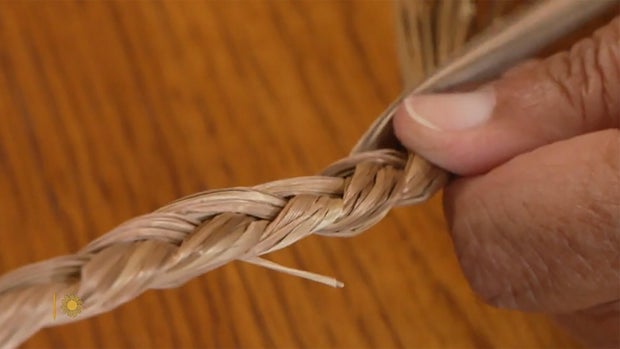
Robin Wall Kimmerer reflects on the symbol of a sweetgrass braid as a representation of commitment to nurturing the Earth. Her book, Braiding Sweetgrass: Indigenous Wisdom, Scientific Knowledge and the Teachings of Plants, initially published in 2013 by Milkweed Editions, reached the New York Times Bestsellers List in 2020. It has sold over two million copies since then. Kimmerer emphasizes her goal to amplify the voices of plants and the land, sensing a profound responsibility to advocate for them.
As a mother, grandmother, Ph.D. botanist, university professor, and member of the Citizen Potawatomi Nation, Kimmerer’s perspective integrates various elements of her identity. On her land near Syracuse, N.Y., she engages in ecological exploration, sharing insights among New England asters and goldenrod. She appreciates the harmonious color blend and considers these plants as educators regarding complementary colors and knowledge systems that merge Western science and Indigenous knowledge.
During her teaching, Kimmerer introduces a well-aged tree called Grandmother Maple or Nokomis Anenemik, estimated to be 200 to 250 years old. Anticipating the challenges posed by climate change, she has planted a basswood, or linden tree, as a future replacement, recognizing the adaptability needed for survival. Her use of personal pronouns for these trees underscores her belief that they are kin, living beings with whom she shares a familial bond.
With the campaign ‘Plant Baby Plant’, Kimmerer aims to inspire tree planting as a communal initiative. She educates Indigenous youth in Northern Michigan about respect for nature and gratitude for Earth’s offerings. Along Lake Michigan’s shore, she depicts the fulfillment of these connections as fundamental to life’s enjoyment.
Kimmerer’s events often coincide with Native community gatherings, such as in Traverse City, Michigan. Her discussions revolve around Indigenous economic principles centered on nature’s gifts, critiquing capitalism’s inclination to commodify resources like water. Her 2024 book, The Serviceberry: Abundance and Reciprocity in the Natural World, has sold over 400,000 copies and elaborates on viewing the Earth’s bounty as unearned gifts necessitating gratitude and reciprocity.
Traditional societies frequently operate within gift economies, fostering generosity rather than monetary wealth. Kimmerer emphasizes gratitude, respect, and reciprocity as essential elements that, unlike commodities, grow through sharing. Her writings might echo poetic or spiritual tones, but ultimately, she urges readers to incorporate the principles of nature’s generosity into their lives. Kimmerer challenges conventional thought by advocating for a shift from exploitative practices to sustainability, emphasizing the urgent need to change the pattern of taking from the Earth without giving back.