
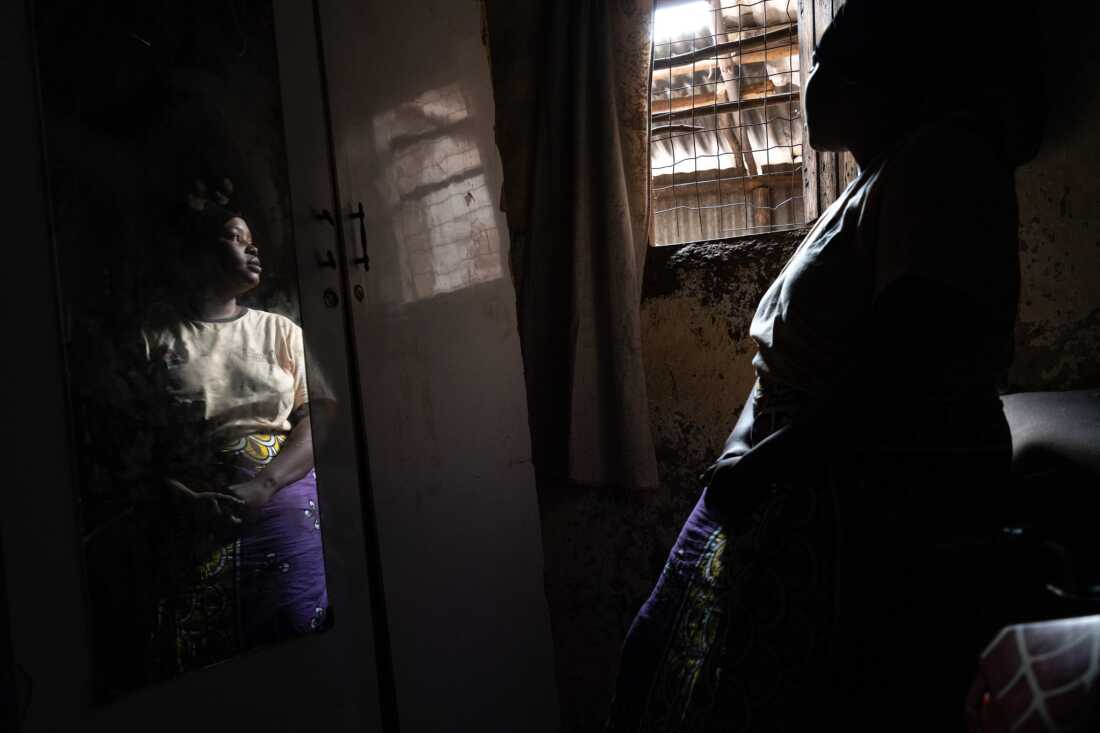
In Kibera, a vast slum in Nairobi, Kenya, water scarcity is a severe issue. Zubedah Hassan, 32, works as a champion for the Stop Sex for Water program. She encourages women and girls to report sexual violence by water vendors.
Hassan highlights poverty as a primary problem. Girls often save money by offering favors to water vendors. Another challenge is drought, making schoolchildren vulnerable to rape while searching for water.
Before clients arrive at her salon, Saly Amutwayi talks with her friend Mariam Hassan. Like many women, they spend hours daily collecting water. They’ve experienced sexual violence during this task.
In Kenya’s informal settlements, where legal title and formal infrastructure are absent, residents depend on private vendors for water. This dependency has resulted in harassment and sextortion — coercion for sex in exchange for water.
Mariam Hassan, worried about her 8-year-old daughter, hopes education can empower young women against sexual harassment.
Men need to be involved in conversations about sexual violence, says Amutwayi.
Kibera relies on vendors selling water in jerrycans, yellow containers holding a quarter-gallon. Water shortages make it scarce and expensive, increasing the risk of harassment.
During one shortage, three men tried to assault Amutwayi when she couldn’t pay for water. Neighbors intervened, but she left the incident unreported, fearing no action by police.
Hassan had a similar experience when misled into a man’s home who attempted to rape her. Neighbors heard her screams and helped her escape.
Women often can’t afford water and face pressure for sex instead. The Stop Sex for Water program was launched by KEWASNET, the Kenya Water and Sanitation Civil Society Network. Staff receive reports of harassment linked to water access.
Public toilets lack privacy and safety, causing women to opt for alternatives like buckets or “flying toilets.” Drought exacerbates the issue, with sporadic water deliveries leading women to sex to avoid waiting in line.
Survivors often don’t report abuse due to fear of retaliation, stigma, and disbelief that authorities will act. Water-related sex crimes are perceived as part of survival culture in Kibera.
Posters and campaigns encourage women to report harassment and assault. KEWASNET focuses on counseling and educating women on their rights, telling them they can refuse sex.
According to Water.org, around 19 million Kenyans lack reliable access to clean water, with the largest gaps in informal settlements. During shortages, water prices and availability vary, leading to long waits or distant searches.
International organizations highlight the exploitation potential when water is treated as a commodity. Kenya’s lack of specific laws against sextortion adds to the challenge, despite attempted advocacy in Parliament.
Kibera has no public infrastructure for clean water, making residents reliant on cartels and vendors. A parliamentary committee rejected a petition for a new law defining sextortion, citing existing laws unsuitable for informal vendors.
Advocates continue pressing for legislative action, emphasizing that legal change alone won’t suffice. Police training and investment in water infrastructure are essential to address the root causes of exploitation.
Water cartels in Kibera distribute water for a fee, tapping into municipal pipes by bribing those managing the system. They handle disputes internally, with police avoiding interference.
The power imbalance worsens conditions for vulnerable groups like transgender people, who face harassment and discrimination when accessing water.
Despite her fears, Mariam Hassan hopes for a better future for her daughter, striving for her education and freedom from this struggle.