
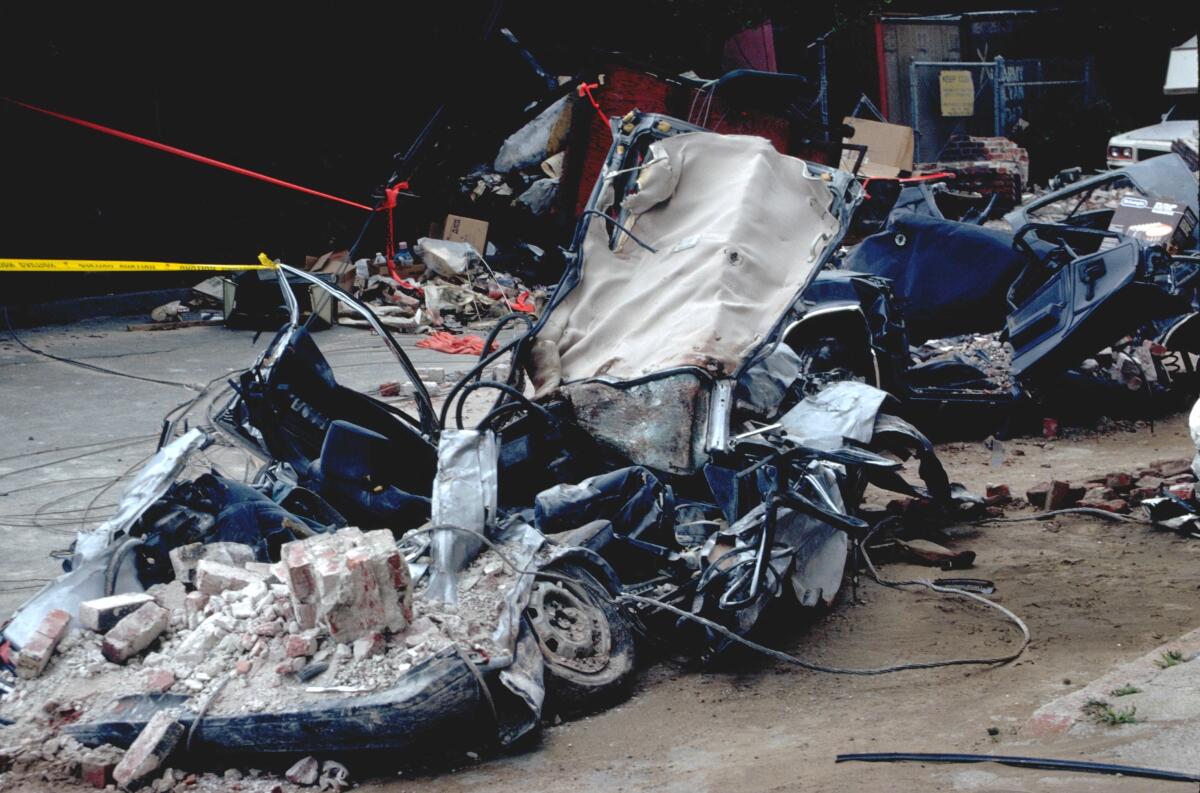
During the night, Southern California was struck by a powerful earthquake that impacted millions, damaged buildings, and disrupted water supplies. The magnitude 6 earthquake centered near North Palm Springs did not reach legendary status like Northridge or Loma Prieta, but it marked the beginning of a seismic series that lasted a decade.
The tremor on July 8, 1986, serves as a warning for the younger generation, who have never faced such seismic intensity. Although major cities have escaped destruction in recent years, future events are inevitable. Seismologist Lucy Jones from Caltech emphasizes that the current situation is not typical for California, urging awareness and preparation.
Significant progress in earthquake safety has been made, but it varies among cities. Los Angeles approved retrofits for vulnerable buildings, including bricks and brittle concrete structures, but has yet to address steel skyscrapers’ risks. Cities along the San Andreas fault have not enacted retrofits or demolitions of old brick buildings, which pose deadly hazards during quakes.
During the 6.9 magnitude Loma Prieta quake, a brick building collapsed in San Francisco, causing fatalities and severe damages. The U.S. Geological Survey captures the consequences vividly, highlighting the unaddressed vulnerabilities.
A disaster occurs when a society lacks preparedness for disruptions, affecting it for decades.
The ongoing ShakeOut scenario aims to update projections for a potential magnitude 7.8 quake on the San Andreas. In its 2008 release, forecasts indicated over 1,800 deaths, 50,000 injuries, and $200 billion in damages. Lucy Jones is currently securing funding to update these projections.
The importance of this scenario update lies in lessons learned from past earthquakes and California’s current unprepared state regarding water supplies and firefighting capabilities. The 2008 report speculated risk for a massive fire footprint, emphasizing public health concerns.
Historically, Southern California has experienced significant quakes, with magnitude 7.9 events in 1857 and 1906. Following the North Palm Springs quake, the region faced a series of severe tremors, such as the 5.9 magnitude Whittier Narrows earthquake in 1987, causing eight fatalities.
Subsequent destructive events included the Loma Prieta earthquake of 1989, killing 63 people and resulting in significant property damage. Southern California continued to see seismic activity, culminating in the destructive Northridge earthquake of 1994.
In recent decades, Southern California experienced three earthquakes with magnitudes exceeding 7. These events were primarily located in remote desert areas, limiting social impacts in metro regions. However, they serve as a reminder of potential risks and the importance of proactive measures.
Los Angeles Times provides comprehensive resources on earthquake preparedness, including guides on home retrofitting, discussing earthquakes with kids, addressing pet needs, and understanding major risks. Preparing for earthquakes is essential and achievable.