
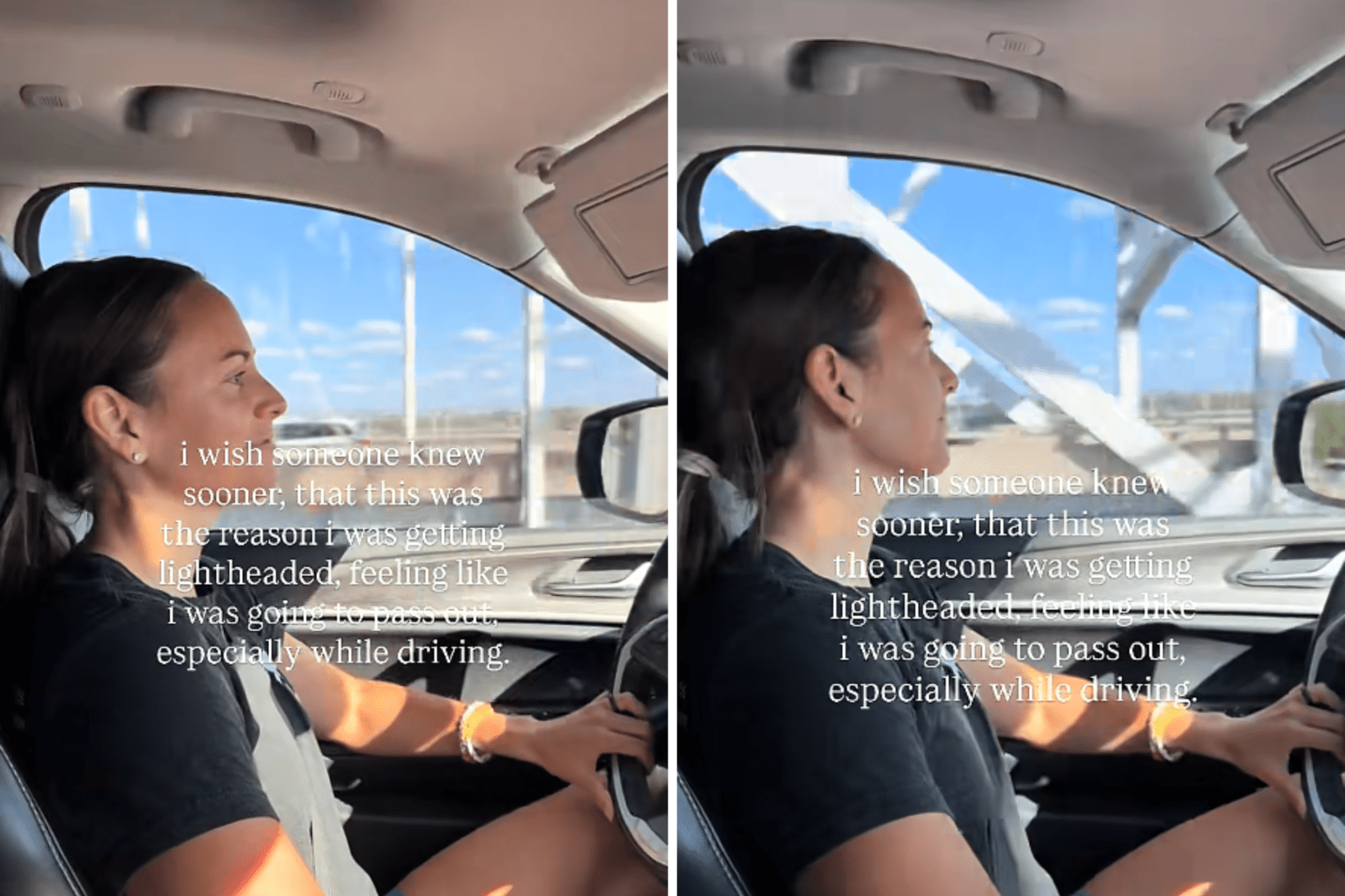
Cayla Kranz, a 35-year-old fitness and nutrition coach from St. Louis, Missouri, endured months of unexplained dizzy spells before receiving a diagnosis. In October 2025, she experienced a frightening episode while driving with her two young children. “Suddenly I felt my vision darken, my head became very heavy, and I felt lightheaded like I was going to pass out,” Kranz recounted.
Luckily, she managed to pull over safely and sought help. This incident marked what she terms “the big episode” that disrupted her life. Despite experiencing “off” and “lightheaded” sensations before, these were previously less severe.
Kranz initially attributed these symptoms to minor issues like contact lens problems or intense workouts. She visited urgent care and underwent several tests, including an EKG and cardiology exams, but all results came back normal. However, after the driving episode, her symptoms persisted. These included shaky vision, constant lightheadedness, derealization, heart palpitations, and newfound anxiety. She eventually felt stuck in a state of fight or flight.
Despite further tests, including an MRI, medical professionals found no cause. Her breakthrough occurred when a client, a physical therapist, suggested a possible vestibular issue. Upon researching, Kranz discovered details about vestibular migraines, which matched her symptoms.
Vestibular migraines can lead to balance problems, nausea, vertigo lasting days, and sensitivity to light, smell, and noise. They might not always include a headache, making diagnosis challenging,according to Johns Hopkins University.
While the exact causes remain unclear, this diagnosis brought relief. Grateful for her client’s input, Kranz expressed appreciation, noting how difficult the search for answers had been.
Kranz credits her family and support system for helping her endure this “most difficult time” and shares a personal mantra: “You can do hard things.” While vestibular migraines are incurable, they are treatable, and Kranz now enjoys “more better days than not.” She remains hopeful about her continued progress.
In a message of support to those with similar struggles, Kranz emphasized, “Know you’re never alone, and better days are possible.”