
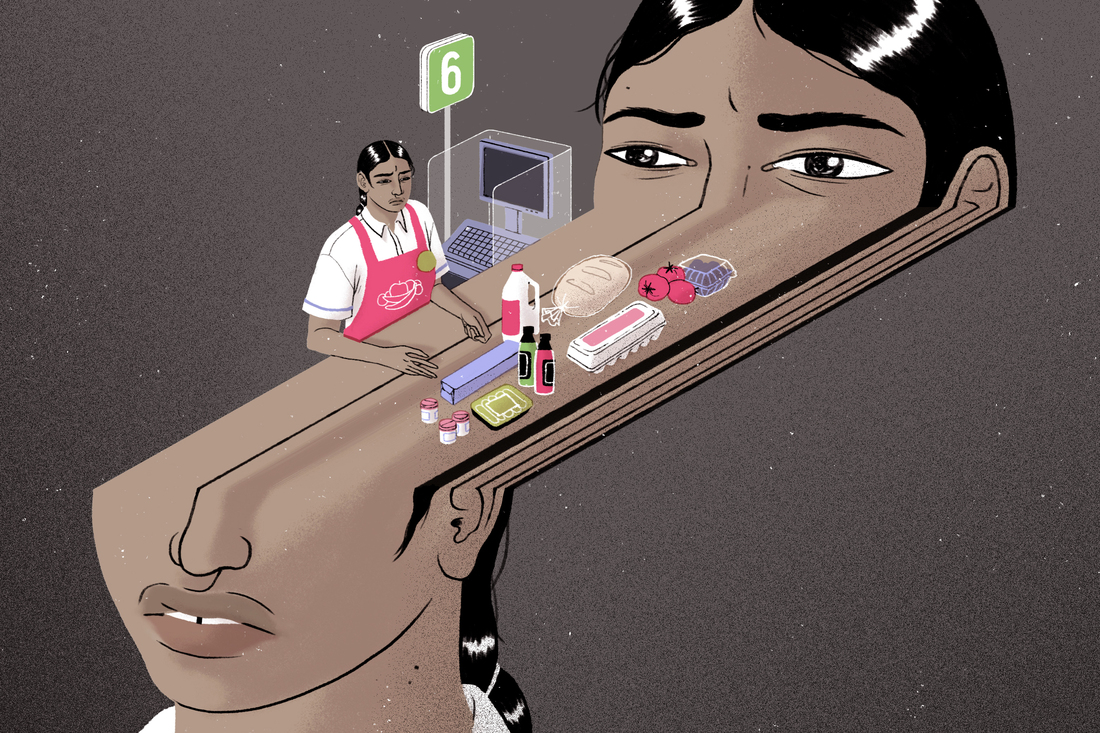
Being at work when you’re not mentally well can be tough. Issues like depression, burnout, and anxiety affect both your life and job. However, mental health often carries more stigma than physical health, causing many to push through difficulties instead of addressing them.
Jody Adewale, a psychologist with Made of Millions, emphasizes that mental health challenges are universal and not a sign of weakness. Life Kit consulted mental health experts to offer guidance on spotting problems and exploring solutions.
Identify Mental Health Decline
Start by examining your physical and mental state. Increased tension, sleep disruption, or poor eating can indicate mental health issues. According to Hassel Aviles from Not 9 to 5, watch for these five signs of emotional distress:
- Drastic personality change
- Increased agitation or anger
- Social withdrawal
- Poor hygiene or substance abuse
- Feelings of hopelessness
Recognizing even one sign speaks to the need for a self-check or to assist a coworker. Adjust activities, discuss your concerns, or reconsider workplace challenges if necessary.
Talk to Trusted Individuals
Seek help from colleagues or managers who are sympathetic. It can help to vent or gain perspective. Supervisors might guide you to resources; however, remember HR looks out for the company’s interests, so discuss private matters cautiously.
If needed, contact the U.S. Equal Employment Opportunity Commission if mental health discrimination occurs. Using strategies like the DEAR and MAN methods helps when speaking to HR:
- D – Describe the situation factually.
- E – Express your feelings.
- A – Assert your needs.
- R – Reinforce win-win outcomes.
- M – Be mindful and present.
- A – Be assertive.
- N – Negotiate for feasible changes.
Remember, a supervisor or coworker isn’t a therapist. Employee assistance programs often provide therapy sessions, guiding you to the proper support channels.
Consider Taking a Break
If counseling falls short, a break might be essential. Time off, whether brief or extended, facilitates rest and recovery. Check with HR about short-term disability leave for conditions like mental health. Journalist Siobhan Neela-Stock’s experience showcases increasing openness toward mental health leave.
Create a Psychologically Safe Workplace
Establishing a supportive work environment encourages mental well-being. Amy Edmondson’s concept of psychological safety involves sharing openly without fear of negative consequences.
Employers should foster transparent and inclusive interactions. Mistakes should be learning opportunities rather than punitive experiences. Aviles notes this approach breeds innovation and creativity.
Resources for Mental Health at Work
- The CDC provides mental health resources, including managerial support strategies.
- Mental health first aid training is available to help equip individuals.
- Made of Millions offers tools and global advocacy resources.
- Not 9 to 5 focuses on mental wellness in the foodservice and hospitality sectors.
- Shift Collab shares ways to achieve psychological safety at work.
- The U.S. Equal Employment Opportunity Commission outlines workplace rights regarding mental health.
Stay engaged by giving feedback to Life Kit at 202-216-9823 or [email protected]. Subscribe to our newsletter for additional insights.