
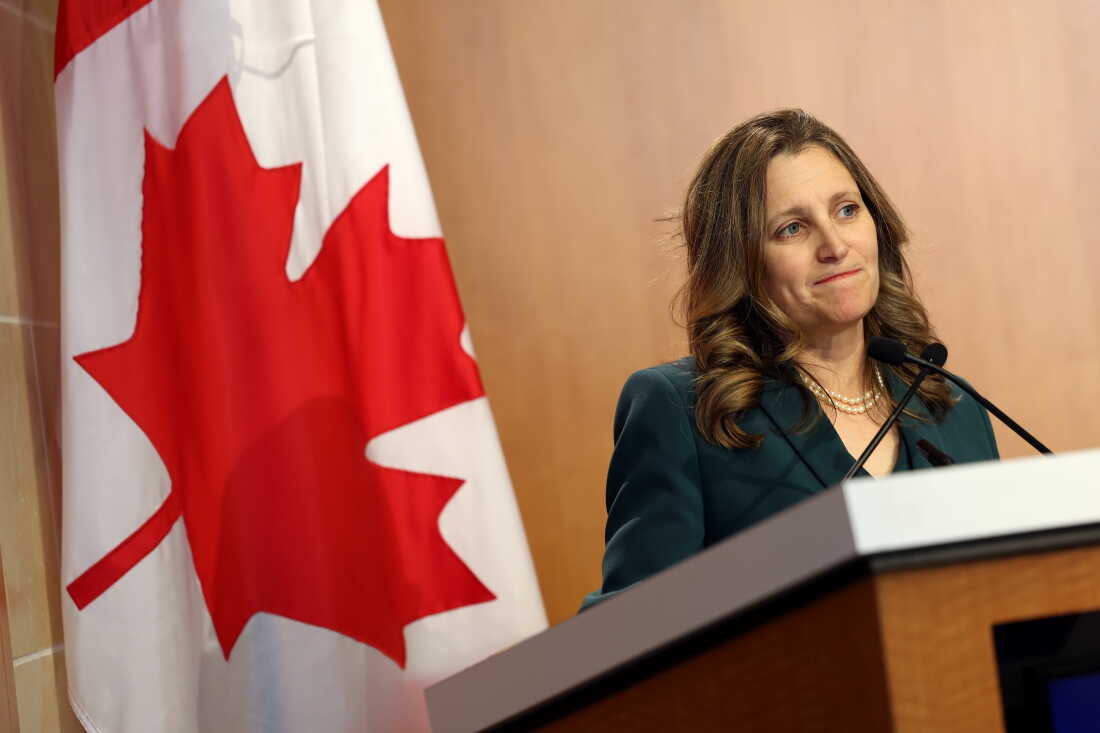
Canada has recently enforced new tariffs on American imports, a move that marks an escalation in the ongoing trade dispute with the United States. These tariffs, which took effect on Tuesday, impose as much as 50% levies on approximately $20 billion worth of U.S. goods. This action is a response to similar duties the U.S. placed on Canadian products.
Despite mirroring U.S. tariffs in fiscal impact, Canada’s measures do not align with specific products. Canadian sentiment reflects a sense of betrayal by the U.S., a nation previously seen as a reliable ally. In light of President Trump’s remarks suggesting Canada could become the 51st state through economic rather than military means, Canadians have reduced their travel to the U.S. and initiated boycotts against American goods.
The economic relationship between Canada and the U.S. is complex and significant. U.S. auto exports to Canada have decreased by 22% since the trade tensions began. Canada remains the largest trade partner for 26 states and is among the top three for 45 states.
Chrystia Freeland, a former Canadian deputy prime minister and finance minister, is familiar with the intricacies of these trade negotiations, having played a crucial role in the creation of the U.S.-Mexico-Canada Agreement. This agreement, during the tenure of President Trump, was once hailed as a significant success.
During a conversation with NPR’s Morning Edition, Freeland cautioned that the U.S. risks alienating long-standing allies. She stated, “If Americans are concerned about China in the world, which I am, the best way to act on China is with an alliance with America’s traditional allies. But it has to start with stopping punching your friends in the face, which is what Washington is doing right now.”
Freeland also rejected the notion that Canada, due to its smaller economy, should easily acquiesce to U.S. demands. She recounted a moment from past trade discussions where U.S. negotiators emphasized the relative economic size, suggesting they should dictate terms ten times more than Canada. Freeland firmly asserted that such an approach is not conducive to a true partnership, and Canadians would not tolerate it.
For more insights, you can listen to the full interview by pressing the play button on the audio player embedded above.
Peter Armstrong provided additional reporting from Toronto.