
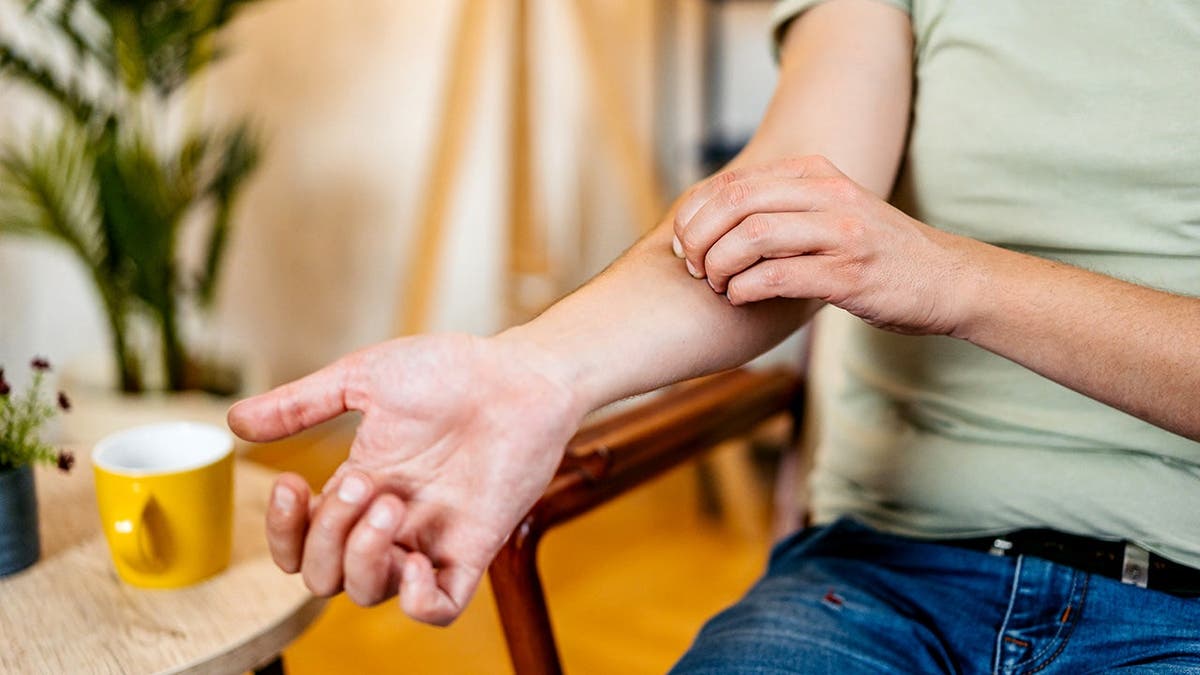
Scratching a bug bite or rash is often hard to resist. Despite offering temporary relief, it may actually prolong the itch, as researchers have determined. This natural response to skin irritations increases inflammation and can worsen conditions like eczema.
Research at the University of Pittsburgh sought to explore the relationship between itch, scratching, and inflammation, which remains insufficiently examined. Led by Professor Daniel H. Kaplan, the team applied an allergen to the ears of mice, inducing allergic-contact dermatitis, akin to reactions humans experience from poison ivy or metals like nickel.
Mice were divided into two categories: ‘normal’ and genetically modified to lack itch-sensing neurons. Some mice scratched freely, while others were restricted with an Elizabethan collar, known as the ‘cone of shame’ among pet owners.
Scratching activated mast cells, which are part of the body’s defense system, releasing histamine and other chemicals that increase itchiness. The Cleveland Clinic likens mast cells to an ‘alarm system’ targeting harmful invaders.
Researchers observed that mice allowed to scratch freely released more substance P, a compound that activated mast cells, heightening inflammation and extending the itch-scratch cycle. Conversely, mice prevented from scratching, as well as those lacking itch-sensing neurons, exhibited reduced inflammation.
However, scratching has its appeals. According to a report in Science, the ability to sense itch and respond by scratching evolved millions of years ago. The University of Pittsburgh extended the study to assess if scratching-induced mast cell activation affected the skin microbiome. Results showed that scratching decreased levels of Staphylococcus aureus, a bacteria frequently associated with skin infections.
Professor Kaplan remarked, ‘The damage caused by scratching likely outweighs any benefits when itching is chronic.’ Although scratching can help minimize some skin bacteria, it often leads to prolonged inflammation.
For itch relief, cold compresses and 1% hydrocortisone cream are recommended by the American Academy of Dermatology. The researchers’ findings were published in the journal Science last year.