
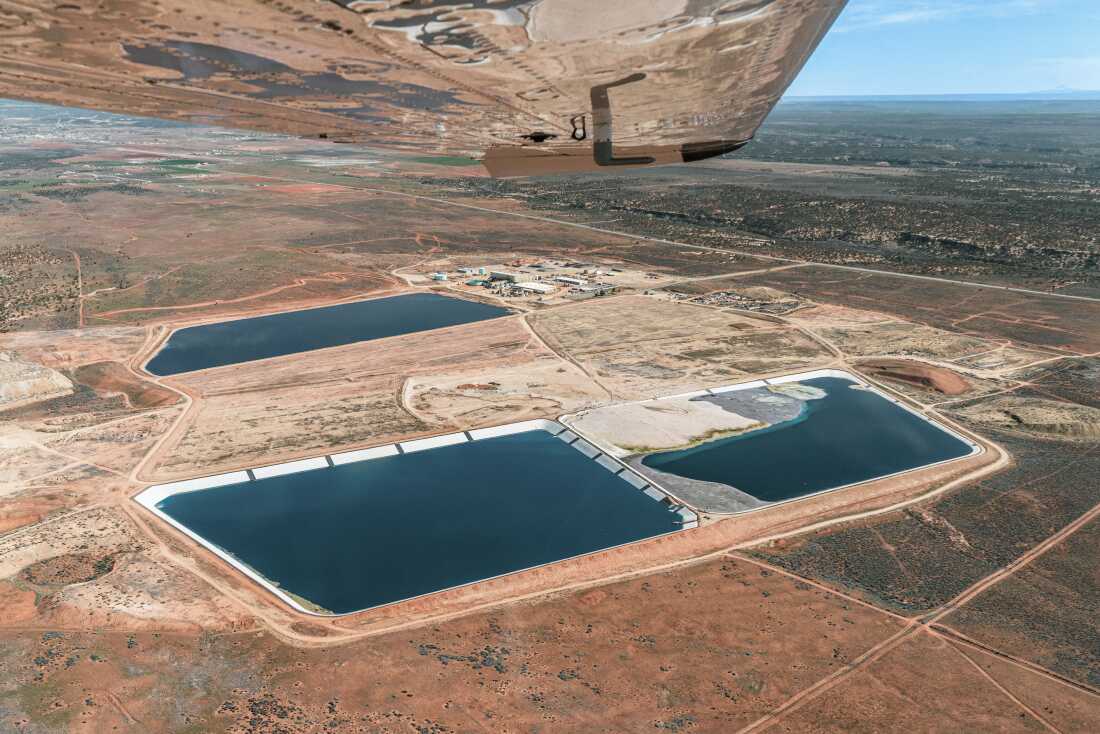
The White Mesa Mill in Blanding, Utah, stores radioactive waste in five tailings cells, covering 284 acres. Built in 1980, it remains the only conventional uranium mill in the U.S., producing yellowcake for nuclear power. The mill’s operations incite debate over potential radioactive contamination affecting human health. Concerns are particularly strong in the White Mesa Ute Community, located about five miles from the facility. While state regulators and the mill’s owner insist on the containment of any pollution, local tribes remain worried about the spread of toxic waste.
Malcolm Lehi, a member of the Ute Mountain Ute Tribe, emphasizes the tribe’s concerns as the U.S. seeks to revive domestic uranium production, spurred by legislation banning Russian uranium imports by 2028. As the U.S. aims to boost nuclear energy capacity by 2050, federal policies to expedite mining approvals have troubled local tribes. The Velvet-Wood uranium mine in Utah quickly passed its federal environmental review, causing dismay among tribes given minimal input opportunities.
Tension Surrounding the Mill
The White Mesa Mill is central to renewed uranium interest, intensifying existing tensions between tribal concerns and national goals. The mill sees increased demand and plans to expand waste storage, leading to opposition from tribes fearing toxic wastewater could endanger drinking water for future generations. The Havasupai and Ute Mountain Ute tribes link uranium trucking routes through their lands to this growing opposition.
Yolanda Badback, a Ute Mountain Ute member, is among the most vocal opponents. Although Energy Fuels, the mill’s operator since 2012, attributes its operations’ renewed activity to heightened demand, tribal skepticism persists.
Uranium mining has a fraught history. From the 1940s to the 1980s, the government-driven uranium boom endangered miners’ health, particularly Navajo (Diné) workers, who faced radiation without adequate warnings. This history fuels current distrust. Even though Energy Fuels claims modern safety improvements, tribal members remain wary. They cite past uranium waste negligence, and reports of health issues reinforce their concerns.
A Test of Trust
State and Energy Fuels officials argue the mill does not impact White Mesa’s deep aquifer, which provides the tribe’s drinking water. However, the aquifer has issues, but drinking water remains filtered and safe. Despite official reassurances, locals express distrust due to experiences with pollution at nearby sites. State and corporate claims that the mill isn’t affecting their health are small consolation.
The mill’s expansion plans alarm Badback, who pledges to resist any growth towards her community. Annually, her advocacy group protests to highlight these tensions, centered around concerns over toxic waste storage. Moore, representing Energy Fuels, insists new waste cells will comply with current standards.
Concerns Over Air and Water Quality
At a recent rally, Badback shared her advocacy, highlighting the mill’s effects on air quality and health. While a federal health assessment in 2023 found radiation levels safe, it couldn’t fully evaluate potential effects. Following violations related to radon emissions, some residents distrust air quality assurances provided by regulators.
Water remains a key issue, especially local springs monitored for potential contamination. These springs reveal hints of leakage from less protected aquifers. EPA tests in the late 2000s pointed to uranium contamination at Entrance Spring, though later attributions linked this to dust rather than leakage.
While government actions to manage existing pollution continue, debates persist over whether natural occurrences or mill operations are to blame for contamination increases. The mill invariably produces long-lasting radioactive waste, a legacy that concerns locals.
Lehi continues to monitor Entrance Spring, valuing water as essential to life and heritage. His efforts reflect a broader determination within the tribe to protect their environment and community from potential threats posed by uranium operations.