
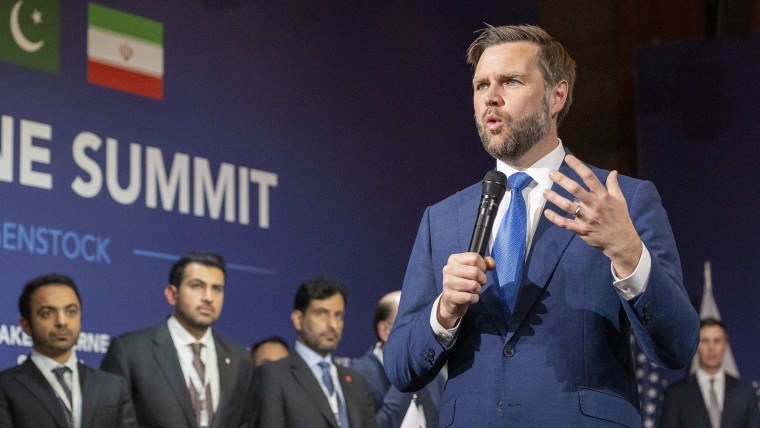
Vice President JD Vance has embarked on a crucial diplomatic mission to Switzerland, where he is set to engage in discussions related to the ongoing negotiations with Iran. These negotiations take place against a backdrop of complex geopolitical dynamics involving multiple stakeholders including Iran, Pakistan, and Qatar.
Recent developments have heightened the urgency surrounding these talks. Iran has closed the Strait of Hormuz, a strategic maritime chokepoint, citing ceasefire violations. This closure adds a layer of tension to the discussions, further complicating the path to a peaceful resolution.
The United States’ approach to the Iran deal has elicited varied reactions from both domestic and international circles. Notably, the Trump administration’s handling of the Iran conflict has faced criticism from allies. Comparisons to the 2015 deal brokered under Obama have been prevalent, with many scrutinizing the newly released peace plan.
Despite the intense environment, the U.S. has taken steps to de-escalate tensions. The recent lifting of the naval blockade of the Strait of Hormuz and Iranian ports is a significant move aimed at fostering dialogue and cooperation.
Additionally, recent announcements concerning the terms of the U.S.-Iran deal have revealed that nuclear inspectors will be allowed to return to Iran, a critical step towards ending the ongoing conflict. Vice President Vance’s role in these negotiations highlights the importance of diplomacy in addressing international challenges.
As the global community closely watches these developments, the outcomes of the Switzerland talks hold significant implications for the future of U.S.-Iran relations and the stability of the broader Middle East region.