
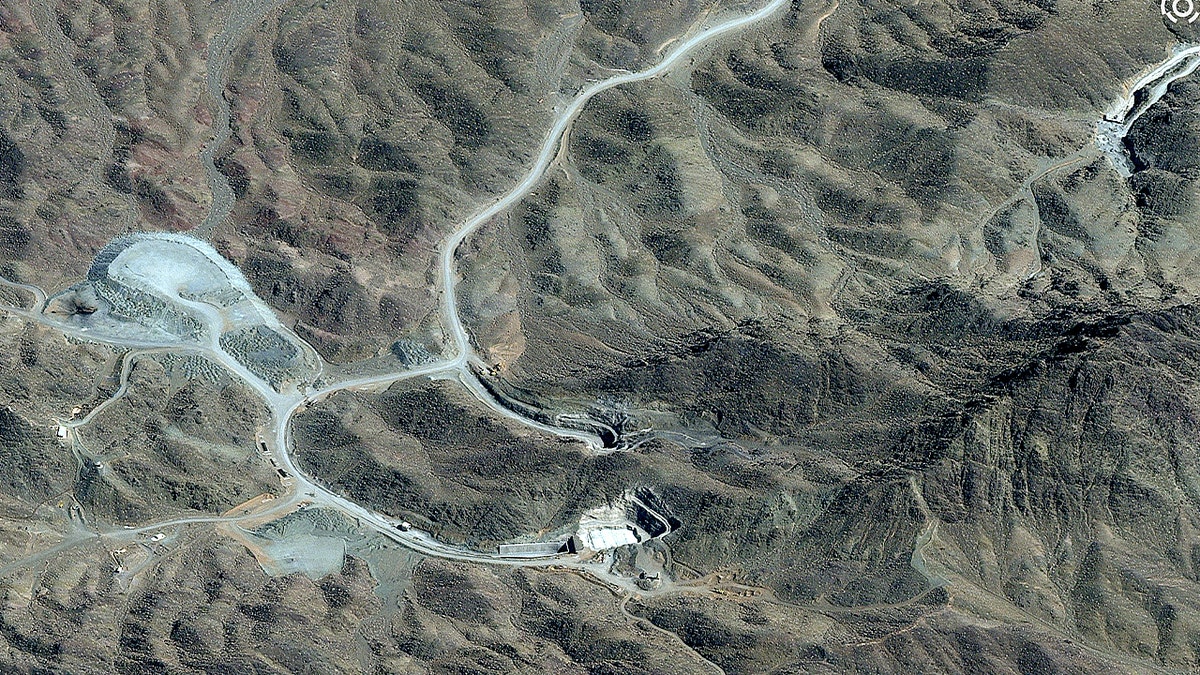
The White House is reportedly contemplating a complex strategy to secure enriched uranium from Iran’s underground nuclear sites, specifically targeting Pickaxe Mountain. This move comes as satellite images reveal ongoing construction and raise concerns about Iran’s leader, Mojtaba Khamenei, who is believed to be open to advanced nuclear weapon development. Former CIA Station Chief Dan Hoffman discusses possible intelligence and military strategies.
Reports indicate that the Pentagon has revisited an option for President Donald Trump to deploy thousands of American troops into Iran. Their mission would involve seizing enriched uranium from damaged and buried nuclear facilities. Described as a temporary invasion, it involves entering a highly defensive territory without the element of surprise. Troops could seize their objectives but face being trapped in an extended mission without a clear exit strategy.
Historical Comparison
This operation may bear resemblance to Operation Eagle Claw, a failed attempt in 1980 to rescue American hostages in Tehran. President Jimmy Carter had tried diplomacy and sanctions during the hostage crisis, leading to a rescue operation. However, a series of failures resulted in a mission-ending incident at Desert One. Eight American servicemen were killed in mechanical failures before even reaching Tehran.
Modern U.S. military capabilities, including special operations expertise, provide better logistics today. However, geography and hostile action remain significant challenges. President Trump has expressed concern over repeating such historical mistakes. He was quoted expressing reluctance to undertake a mission similar to the failed operation during Carter’s presidency.
Operation Complexity
The proposed mission’s complexity may surpass Eagle Claw. While Carter’s forces had some idea of the hostages’ location, the current situation in Iran is less clear. There is uncertainty regarding the location and status of enriched uranium. Reports suggest that international inspectors have not verified the location of the material for months.
The Pentagon’s plan considers securing facilities such as Fordow and Isfahan, alongside the deeply buried Pickaxe Mountain complex near Natanz. Thousands of troops, including special operations forces, might be needed. This could involve complicated logistics such as flying in excavation equipment and constructing a runway to transport roughly 450 kilograms of highly enriched uranium.
Analysts suggest that Pickaxe Mountain, located over 300 feet underground, may not necessarily house uranium. If it contains centrifuges, American forces might find an empty target. Moreover, Iran has threatened regional infrastructure as a response.
Challenges Remain
The lack of surprise element poses challenges. Iran likely prepares defenses with tunnel entrances protected by roadblocks and mines. American troops would need to control significant areas, roadways, and airfields while engineers manage excavation tasks internally. Within tunnels, they face harsh conditions and potential Iranian defenses. Each hour in operation can tilt advantages toward Iran.
The Islamic Revolutionary Guard Corps might retaliate by striking American positions and disrupting shipping lanes. Using proxies across the region, the aim would not be complete defeat but denial of mission success.
As operations extend, resistance becomes more difficult. An initial raid risks growing into a prolonged presence on Iranian soil.
Alternative Strategies
Washington could potentially consider alternatives. Denying facility access rather than occupying might prove more viable. Collapsing entrances and pathways with ongoing surveillance, striking at any efforts to reopen, presents a less risky approach. This might address strategic objectives without endangering personnel.
The focus should remain on impeding facility use through visible deterrence paired with diplomatic strategies such as sanctions and international oversight concerning material custody.
Need for Clear Strategy
Pressure to manifest victories can lead to high-stakes operations, drawing comparisons to past errors. The administration must clarify whether actions ensure safe return of personnel, whether objectives justify potential costs, and assess global reactions. Unifying domestic support remains crucial when considering ground operations.