
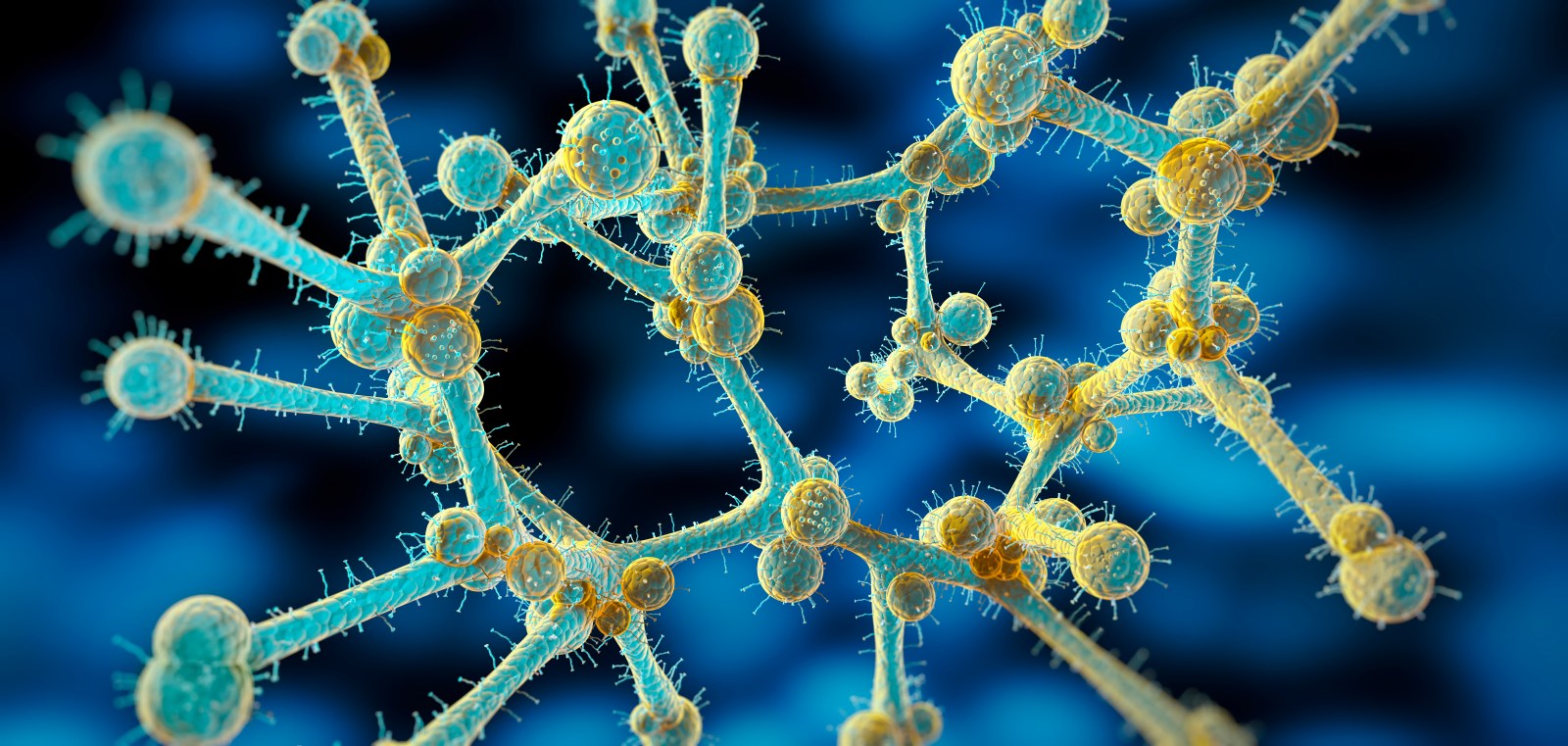
A drug-resistant fungus, Candida auris, is responsible for thousands of deaths each year in U.S. hospitals. Scientists have uncovered that it survives on human skin by hijacking the body’s immune response. According to Dean Merrill, a dermatologist and professor at the University of California, San Francisco (UCSF), “Candida auris colonizes skin way better than most other fungi, setting it up to invade once the immune system is weakened.” The primary clinical challenge lies in the absence of effective methods to eradicate it from the skin.
This fungus has a significant presence across the U.S., being detected in over half of the states this year, as reported by the Centers for Disease Control and Prevention (CDC). CDC data highlight Candida auris screenings across several states as of the week ending July 25, 2026. Newsweek has reached out to the study’s authors for additional insights.
A Silent but Deadly Threat
Candida auris, a type of yeast, was first recognized in Japan in 2009, and since then, it has spread to hospitals and long-term care facilities globally. Though it typically resides harmlessly on the skin, entering the bloodstream can render it lethal, especially for those with weakened immune systems. Annually, the fungus claims approximately 3,000 lives in the U.S. It is difficult to treat because many of its strains resist standard antifungal medications.
The enigma was why C. auris remains stubbornly on the skin while other fungi are rapidly cleared by the immune system. The new study, led by UCSF and published in Science, aimed to solve this mystery by contrasted C. auris with Candida albicans, a common fungus the immune system usually clears within days.
In mouse experiments, C. albicans vanished swiftly, while C. auris persisted, embedding deep within hair follicles. The study revealed that each fungus initiated distinct immune responses. C. albicans triggered an IL-17 signal, encouraging the skin to renew itself and boost antifungal defenses, virtually clearing the infection independently. C. auris, however, activated interferon gamma, a signal more commonly linked to combating viruses, which proved ineffective here.
Rewiring the Skin’s Defenses
C. auris executes this by modifying its cell wall to reveal more chitin. This exposed chitin leads nearby immune cells to release interferon gamma around the hair follicle, suppressing the skin’s antifungal defenses, including the IL-17 response, and slowing the regular turnover of hair follicle cells. The consequence is an accumulation of older, damaged cells, providing a protected environment for the fungus to flourish quietly.
“Chitin is widespread in nature, so it’s not like human skin never encounters it, but we were surprised to see that C. auris actively uses its chitin to turn the skin into a perfect nest,” said Suzanne Noble, co-senior author of the paper.
The findings suggest potential strategies for eliminating the fungus from the skin. One approach could involve pharmaceuticals that redirect the immune response from interferon gamma to IL-17, reinstating the skin’s natural antifungal elimination process. Another strategy might include targeting chitin itself to prevent the fungus from initiating the interferon gamma response initially.
Overall, this research offers a novel framework for understanding how microbes can coexist with the human body before becoming hazardous.
Reference: Merrill, E. D., & Noble, S. M. et al. (2026). The fungal pathogen Candida auris exposes chitin to trigger IFNγ and persist in hair follicles. Science. https://dx.doi.org/10.1126/science.adu6688. Contact Newsweek editors on this story: Kara Dolman and Gray R. Thomas.