
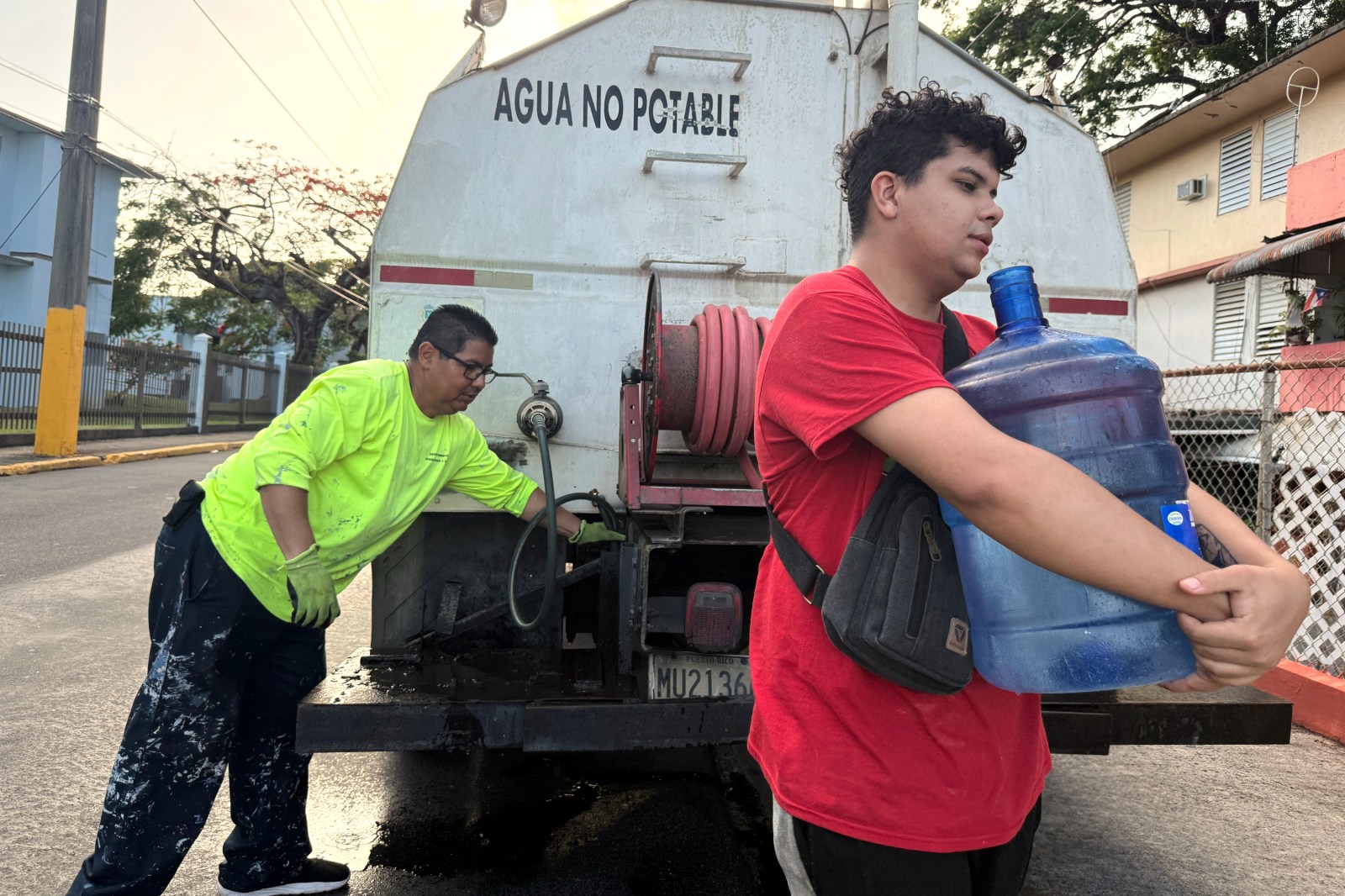
Puerto Rico has entered a comprehensive 48-hour water-rationing cycle affecting over 180,000 people as drought conditions reach historic levels. Residents in several neighborhoods report enduring over 100 days of unreliable water service this year. The crisis unfolds without comment from President Donald Trump, despite residents, businesses, and hospitals preparing for prolonged shortages. Local officials warn the emergency could stretch for weeks or months, impacting millions of U.S. citizens reliant on a system weakened by years of neglect.
Water Authority Concerns
The island’s water authority reported critically low levels at the Carraízo reservoir, prompting alternating shutoffs in seven municipalities. Residents cite outages beginning well before the drought, indicating deeper infrastructure failures not addressed by territorial or federal entities.
CTPR Executive Director Willianette Robles Cancel stated the tourism sector is working with the Puerto Rico Aqueduct and Sewer Authority (PRASA) and the central government to maintain operations, emphasizing the focus on anticipating, guiding, and supporting the sector to ensure continuity of tourism services.
However, the crisis extends beyond tourism, with increasing frustration over the absence of federal leadership. Newsweek sought comments from the White House regarding the situation.
The Trump Administration’s Silence
Despite the presence of more than 3 million U.S. citizens on the island, the Trump administration has remained silent on the escalating water shortages. The silence persists as Puerto Rico faces one of its most severe droughts in modern history. July marked San Juan’s driest month in over 120 years, with NOAA projecting below-average rainfall and above-normal heat through October due to El Niño.
The U.S. Drought Monitor’s early August update reveals approximately 68 percent of Puerto Rico in drought, with conditions concentrated in the island’s interior and northern municipalities. Governor Jenniffer González expressed uncertainty regarding the duration of rationing, describing the situation as beyond control. CBS News reported customers categorized into two groups, alternating water shortages for at least 48 hours at a time, with warnings of extending the outages to 72 hours.
Residents attribute the crisis to years of political neglect at both territorial and federal levels. In several San Juan neighborhoods, reports indicate over 118 days of unreliable water service this year, involving full-day shutoffs and low pressure before official rationing began.
Lack of Government Clarity
Puerto Rico’s government offers minimal clarity or urgency. PRASA indicates rationing is essential for equitable water distribution. However, community reports of outages began in mid-June before drought intensification.
San Juan’s mayor has filed a lawsuit against PRASA over chronic shortages unrelated to weather, with the agency advising residents to boil water on service resumption — a contamination risk sign. Water-resilience specialist Kevin Gast highlighted the national issue of water resilience, emphasizing the infrastructure quality alongside natural water availability.
Newsweek attempted to contact PRASA and La Fortaleza; neither responded.
Federal Intervention Needed
Puerto Rico experienced water rationing previously in 2015 and 2020, but experts indicate the current emergency is broader and more destabilizing. Extreme heat, historic drought, and infrastructure failures demand federal intervention.
Hospitals increasingly rely on tanker trucks, and businesses incur hundreds of dollars daily to remain open. Federal engagement absence is central to the narrative, which concerns tens of thousands of Americans on the island.
Small Business Disruptions
Local businesses, notably in Old San Juan, face severe impacts. Some cafés and restaurants unable to operate safely during rationing windows resort to closure. Others invest in private tanker services, incurring costs of hundreds of dollars per day.
A San Juan business owner reported spending $300 to $500 daily for cistern filling. Travel blogger Bianca Alba noted the strain is widespread, with closures affecting income and subsequent employee compensation, rent, and expenses.
Residents experience long lines and low supplies at supermarkets and warehouse stores. Alba recounted friends spending hours at Costco for bottled water, emphasizing the scarcity mindset amid uncertainty about reliable access.
Despite challenges, residents continue working, serving visitors, and maintaining operations. It’s a precarious balance.
Daily Life Disruptions
The emergency has tangible impacts on daily routines. Vanessa Toro, currently in Puerto Rico, shared disruptions via voice memo to Newsweek. Hours spent seeking laundromats ended with closures due to water shortages.
At Econo, a major supermarket, customers purchased bulk water with shelves rapidly depleting. Toro described customers filling carts with bottles amid concerns about supply sufficiency for forthcoming shutoff windows.
Heat and Drought Deepen the Crisis
Rainfall post-June is over 9 inches below average, as per National Weather Service data. Meteorologist María Novoa García indicates rainfall expected at 50 percent below average, exacerbated by El Niño.
PRASA President Luis González Delgado stated potable water trucks prioritize hospitals and elder-care facilities amid systemic underinvestment.
Residents in Canóvanas and Cupey face weeks without water, complicating preparations for scheduled shutoffs. Community leader Marcia Soler París described chaos among Puerto Ricans attempting to prepare without water access.
Long-Term Risks
Experts highlight deeper structural concerns related to aging infrastructure, chronic underinvestment, and climate extremes creating a fragile system.
Local scientists alarmed by large-scale development projects approved during drought warn of their potential to increase water stress and harm ecosystems.
As the drought persists, residents, businesses, and the tourism sector confront a crisis without a definitive endpoint.
Alba stressed that water shouldn’t feel luxurious but reliable for all, whether resident, visitor, or business owner.