
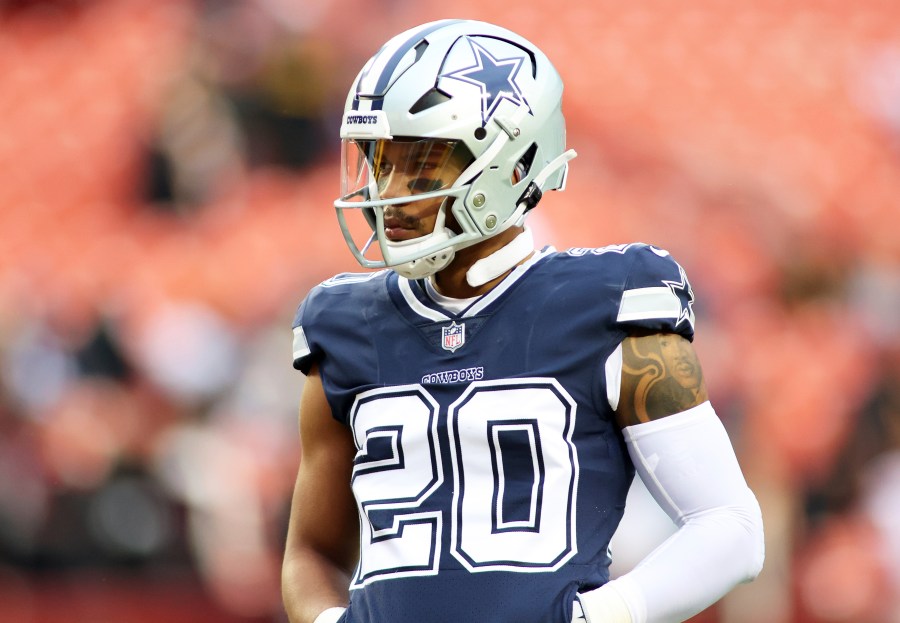
Recently, you might have noticed NFL players wearing distinctive horseshoe-shaped collars. These devices, known as Q-Collars, have been around for a bit. Former Carolina Panthers linebacker Luke Kuechly donned one back in 2016. More athletes are now sporting the collars.
The Q-Collar aims to safeguard the brain during head impacts. The Food and Drug Administration (FDA) authorized Q30 Innovations to market the Q-Collar in 2021. The device is said to potentially lessen specific brain changes linked to injury.
Traumatic brain injuries (TBIs) are common in sports, often resulting from blunt trauma. According to the FDA, a TBI can happen when the brain moves freely in the skull during an impact, known as ‘slosh.’ The Q-Collar works by compressing the jugular veins in the neck, increasing blood volume in the skull. This results in a tighter fit for the brain, reducing movement.
The Q-Collar isn’t exclusive to athletes. The U.S. Army has invested $2.8 million for further research into its use in reducing blast-induced TBIs in soldiers.
The FDA cautions that while the Q-Collar may reduce brain changes, it can’t prevent concussions or severe injuries.
Even Luke Kuechly experienced a concussion post-Q-Collar use. Adil Hussain, D.O., compared the Q-Collar to a seat belt for the brain. However, experts warn against assuming the collar can prevent all brain injuries, a claim not fully supported by research.
Concerns exist over the study backing the FDA’s approval. The study focused on brain changes in athletes wearing the collar versus those without it, claiming the former had fewer changes. The FDA stated the relationship between these changes and actual brain injuries remains unverified.
More research is necessary to establish the Q-Collar’s benefits. Nonetheless, athletes from various sports continue to wear them. Q30 Innovations lists Dallas Cowboys’ Tony Pollard and others as ambassadors.