
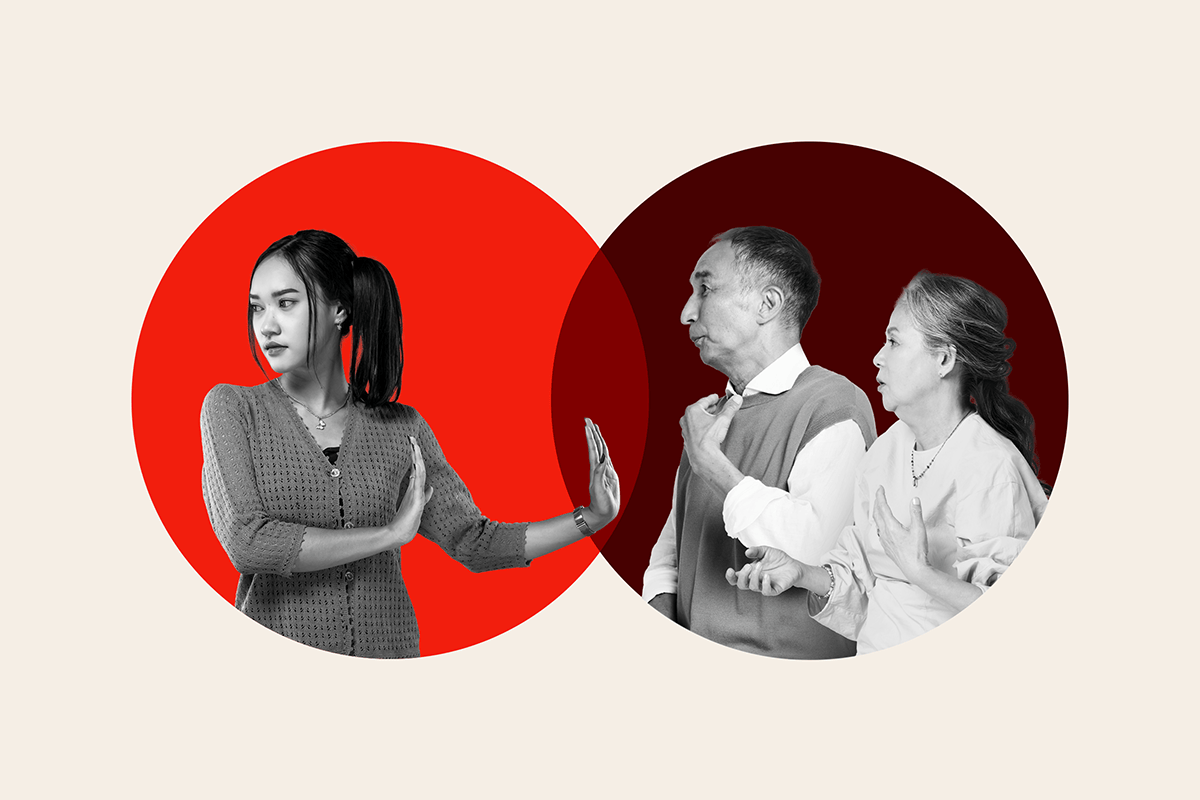
Family estrangement is now openly discussed, moving beyond private conversations. Over 25% of American adults are estranged from a family member, as highlighted by Karl Pillemer’s research at Cornell. Pillemer’s 2020 book, Fault Lines, notes that 27% of U.S. adults, or about 67 million people, have experienced estrangement. Instances of estrangement are evident in the lives of celebrities. Hilary Duff revealed on a podcast her lack of communication with her sister. Prince Harry’s public disagreements with the Royal Family have drawn attention for years. Recently, Brooklyn Peltz Beckham discussed conflicts with his parents, David and Victoria Beckham, on Instagram.
The Rise of Family Estrangement
Though distancing from harmful relationships is sometimes needed, experts worry that estrangement has become a frequent initial choice in conflicts, rather than a last resort. Richard L. Blake, a psychologist and author of the upcoming book Cut Off: Understanding Family Estrangement, comments on this trend. With a growing presence on social media, Blake says the dialogues around ‘toxic’ family ties and going ‘no contact’ have intensified.
“One myth suggests cutting off toxic family members will protect your mental health,” Blake told Newsweek.
However, Blake highlights that research into the effects of estrangement presents more complex results. He mentions that the belief connecting parental actions directly to mental illness does not strongly align with findings from those who choose estrangement. Research shows interest in estrangement is growing. Google Trends data reveals increasing searches for ‘family estrangement’ since 2004. Blake attributes this shift to cultural changes. He remarks, in the past family ties were considered unbreakable. Now, younger generations feel these relationships should be consistently nurtured.
Social Media Influence
Social media and ‘therapy culture’ influence these changing views. While discussions about boundaries and emotional safety are useful, Blake warns they may lead to viewing ordinary family issues too clinically. Yet, many therapists assert estrangement is essential in cases of abuse or harmful behavior.
When Estrangement Is Necessary
Blake asserts that some family separations are justified and crucial for personal well-being. He highlights the importance of distinguishing severe situations, such as abuse, from common family disputes. A common parental mistake in mending relationships involves arguing about remembered events. Blake advises focusing on understanding each other’s perspectives rather than disproving the other’s memory.
Research suggests reconciliation is possible for many estrangements, with relationships often going through cycles of separation and reunification. For those wishing to reconnect, Blake advises listening before defending. Feeling understood, even amid disagreement, is a critical step towards healing. He urges families to grant estranged members the space to express their feelings without correction. Acknowledging their emotions and asking questions like, ‘Is there more?’ can enhance communication. This method, according to Blake, can improve any strained relationship.
For further information, Newsweek editors Kara Dolman and Sam Wilson are available for contact.