
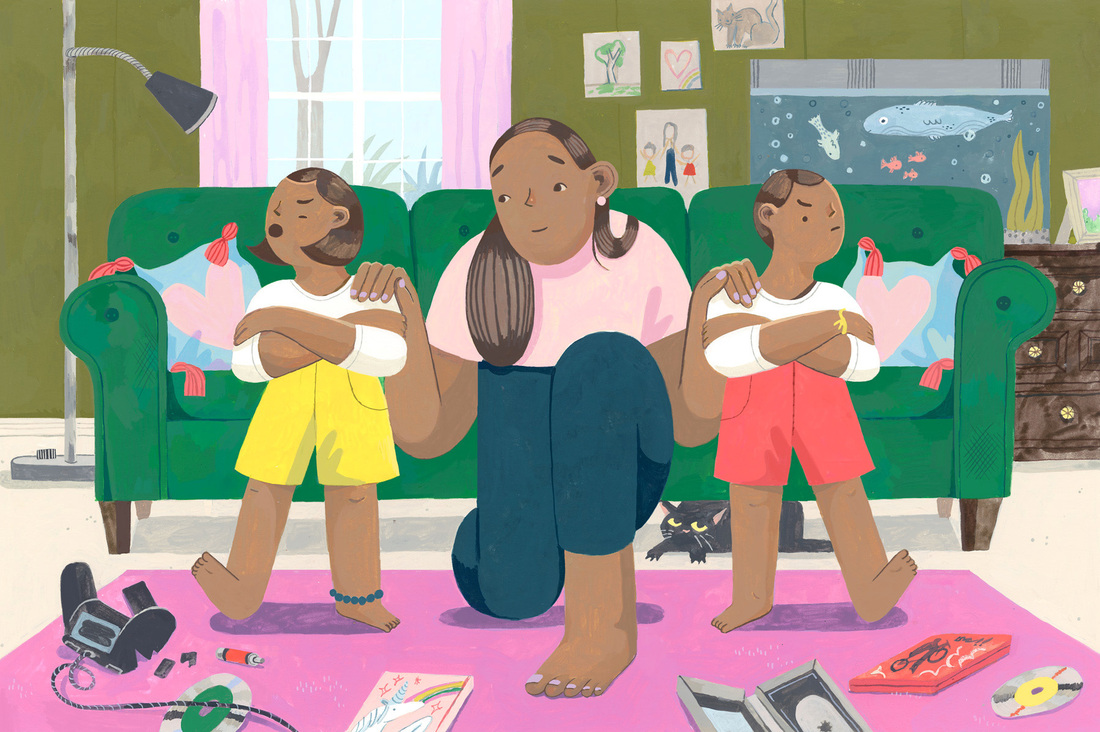
Parenting often involves chaotic mornings, especially with young children. Tilda Rose, in her report updated on July 9, 2024, shares a personal experience of managing her three kids, all under ten, during a typical morning rush. The youngest needs help with her shoes, the oldest complains about clothing options, and the middle child frets about being late.
In such scenarios, the instinctive reaction might be to enforce discipline by threatening to take away privileges. However, clinical psychologist Becky Kennedy offers an alternative approach. In her book Good Inside: A Guide to Becoming the Parent You Want to Be, she suggests that instead of focusing on punishment, parents should strive to comprehend the underlying causes of a child’s misbehavior.
You should start by viewing your child as inherently “good inside.” This perspective encourages curiosity about the reasons behind behavior and helps in avoiding judgments about a child’s character. By focusing on understanding the root causes of their actions, you can nurture empathy and foster personal growth.
Kennedy, based in New York City, discusses these strategies on her popular podcast Good Inside with Dr. Becky. She emphasizes the need for a “good inside” mindset when addressing common behavioral issues in children.
Implementing the “Good Inside” Approach
Kennedy explains how to handle a situation where a child acts out, such as when a three-year-old hits his sister. While hitting is not acceptable, treating the child as “good inside” allows for curiosity about what prompted the behavior.
Instead of assuming something is wrong with the child, Kennedy suggests separating the child’s identity from their actions. The initial step is to address the behavior directly, saying to the child, “I’m not going to let you hit your sister.” Simultaneously, acknowledge the hurt caused by saying to the daughter, “Ouch, I know that hurt. That wasn’t OK.”
Rather than resorting to discipline, Kennedy advocates connecting with the child to understand their feelings. This involves reassuring them, saying, “You’re having a hard time. I’m here. We’re going to figure it out together.”
Connection vs. Correction in Parenting
Some parents might find it difficult to forego traditional disciplinary methods. They often believe these methods teach children that their actions were wrong. However, Kennedy argues that focusing exclusively on discipline can increase a child’s shame and self-doubt. If a parent yells at a child for misbehavior, it creates a need for repair. Parents should express their reflections on the event, admitting their own mistakes, and reaffirm their love and support.
An example repair conversation might include saying, “Hey, last week something happened, and I yelled at you big time. I was dealing with a lot and let it out by shouting. Like you’re learning to manage feelings, I’m still learning too. It’s never your fault when I yell. I love you.”
Listen to the full interview with Becky Kennedy on Life Kit to explore her insights further. The audio portion of the episode was produced by Sylvie Douglis, and the digital story was edited by Malaka Gharib. For feedback or questions, you can call or email the Life Kit team.