
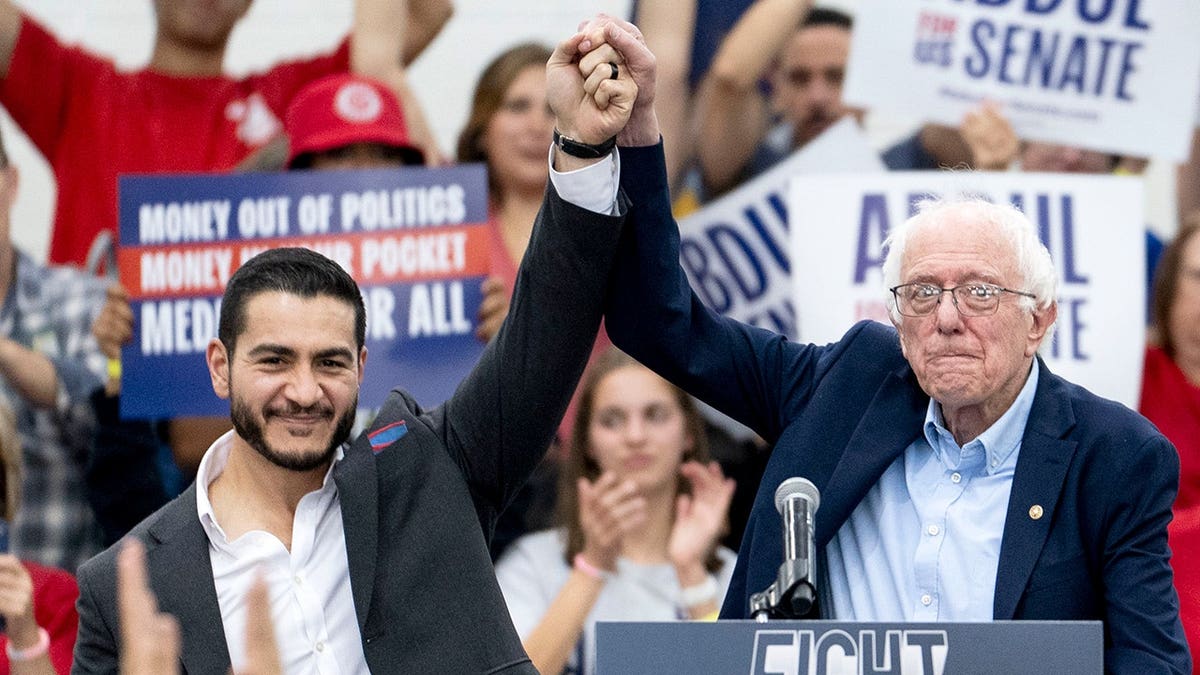
The Michigan Democratic Senate primary is stirring significant debate within the party, highlighting the ideological divide between moderate and progressive candidates.
Divided Voter Demographics
Polling data shows a split in voter preferences based on demographics. Haley Stevens leads among Black voters, while Abdul El-Sayed garners support from White and college-educated voters.
Prominent Political Support
This weekend, progressive figures Sen. Bernie Sanders and Rep. Alexandria Ocasio-Cortez will boost El-Sayed’s campaign with high-profile appearances at three events in Michigan.
El-Sayed, previously Wayne County Health Department director, competes against Rep. Haley Stevens. Supported by Senate Democratic Leader Sen. Chuck Schumer and the party’s establishment, Stevens represents a more moderate stance.
High-stakes for the Democratic Party
Recent victories of far-left candidates over moderates in states such as New York and Colorado have heightened interest in Michigan. The primary showcases the struggle between left-wing and center-left influences within the Democratic Party.
Veteran Democratic strategist Joe Caiazzo explained the monumental stakes, stressing the need for Democrats to maintain control over the seat in November.
The Primary Landscape
The winner of the August 4 primary will face former Republican Rep. Mike Rogers, likely to be the GOP nominee. This contest is crucial for both parties in their pursuit of control over the Senate.
Following progressive state Sen. Mallory McMorrow’s withdrawal, the race narrowed to Stevens and El-Sayed.
Recent polls show Stevens leading El-Sayed by seven points.
Controversial Campaign Stances
El-Sayed, aiming to be the first Muslim senator, prioritizes Medicare-for-all, abolishing ICE, and vocal criticism of Israel. His refusal of PAC donations aligns him with Sanders’ campaign philosophy.
The Democratic establishment, including Schumer, views Stevens as the more electable choice.
Sen. Gary Peters, choosing Stevens over El-Sayed, reflects the party’s pragmatic concerns against shifting too far left.
Debate Stage Tensions
El-Sayed attacked the influence of corporate donations in last week’s debate. Stevens accused El-Sayed of benefiting from Republicans boosting his campaign.
Primary’s Financial Influence
Substantial spending marks this primary, with key contributions from the United Democracy Project, aligned with AIPAC, totaling near $15 million in Stevens’ support.
Sanders criticized this spending, advocating for El-Sayed’s independence from billionaire-funded influence.
Potential Impact on Party Direction
Should El-Sayed win, it would mark a significant victory for the far-left faction. However, Matt Bennett from the Third Way cautions against overemphasizing Michigan’s results.
Bennett notes local demographic factors and the specific resonance of the Israel issue in Michigan.
Caiazzo echoes that interpretation of this primary should consider unique circumstances rather than general shifts within the party.