
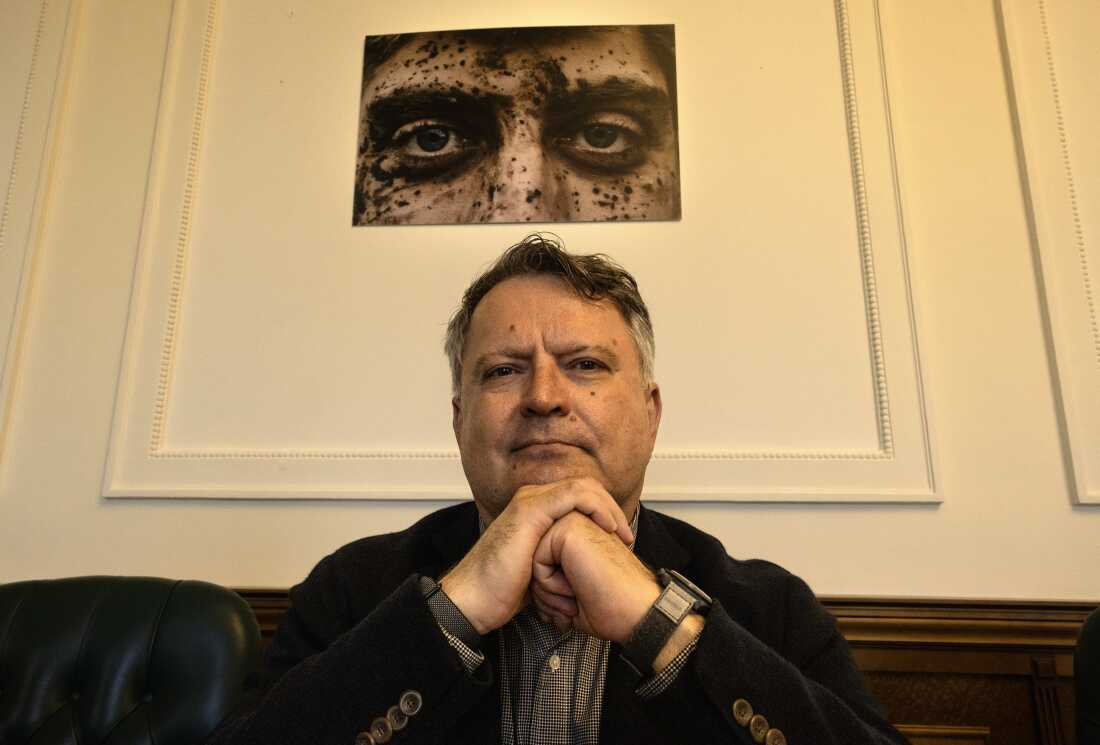
Sergiy Olehovych Kyslytsya, the first deputy head of the Office of the President of Ukraine, previously served as Ukraine’s permanent representative to the United Nations. When Russia initiated a full-scale invasion of Ukraine on February 24, 2022, Kyslytsya was at the U.N. in New York as Ukraine’s ambassador. On that day, he confronted Russian counterpart Vasily Nebenzya, asserting in a strong statement that war criminals face immediate consequences.
The invasion disrupted diplomatic ties between Kyiv and Moscow, making Kyslytsya’s U.N. role distinct. It was the sole platform where Ukrainian and Russian diplomats directly communicated. He mentions that while other Ukrainian diplomats globally avoided Russian counterparts, his experience in negotiations helped him manage emotions and approach constructive dialogue.
Official U.S.-mediated negotiations stalled as the Trump administration prioritized other concerns, but Kyslytsya confirmed ongoing dialogue with American and sometimes Russian envoys. During a conversation in Kyiv, Kyslytsya outlined Ukraine’s stance on halting the war, advocating for freezing conflicts along the current frontline without acknowledging occupied regions as Russian territories.
Russia’s demands, like the ‘3+2’ proposal or ‘Anchorage formula’ from a 2025 summit, lack realism. This proposal sought acknowledgment of Russia’s claims over five Ukrainian regions. Yet, Ukraine rejected the idea, aiming for a balanced resolution. Kyslytsya emphasized Russia’s focus on the Donetsk region and its push to control remaining contested areas.
Despite the persistent conflict, Ukraine’s modern tactics have altered the battlefield dynamics. Advanced drones target Russian energy facilities, crippling their war capabilities. Kyslytsya claims the Russian military no longer makes significant gains, a realization shared by both Ukraine’s partners and the U.S. President Trump acknowledged Ukrainian troop efforts recently, while President Zelenskyy proposed direct talks with Putin, suggesting an opportunity for a breakthrough.
Kyslytsya anticipates the potential for a pivotal meeting. Although Putin initially dismissed talks, changing conditions might prompt reconsideration. Long-range strikes continue to pressure the Kremlin, potentially leading to negotiations. Kyslytsya believes Ukraine holds strategic advantages, compelling a future resolution.