
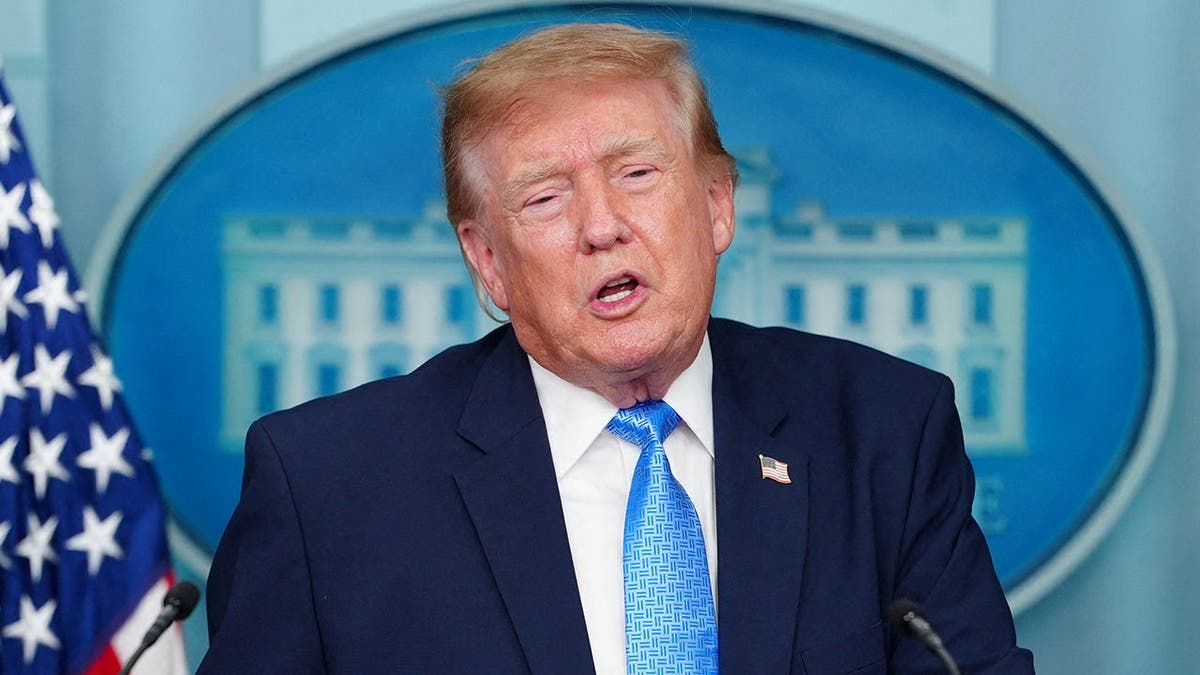
President Donald Trump stated on Monday night that his administration’s deportation policies focus more on serious offenders than on migrant workers. During a conversation with C-SPAN, he addressed the issue of deporting law-abiding immigrants who pay taxes and have lived in the U.S. for a long time. Trump clarified that his administration targets those he labeled as “murderers” and “drug dealers” more aggressively than individuals contributing to the workforce.
“We certainly haven’t put the same push on them as we have on the murderers or the drug dealers,” Trump said.
He also noted concerns about the release of dangerous individuals into the U.S., suggesting that not enough pressure is applied to deport waitresses, farm workers, and others in similar roles. This approach comes amid discussions of potential collaborations with Democrats to address the status of immigrants who have been in the U.S. illegally for over a decade.
In a “60 Minutes” interview, Trump expressed openness to working with Democrats on immigration reform, despite acknowledging that the issue may have influenced the midterm election results. He recognized both the benefits and drawbacks of his administration’s border policies:
“But I get hurt because we also took people that had good jobs,” Trump said.
Trump highlighted a divide in public opinion, where some Americans support the deportation of illegal immigrants, while others believe workers in roles like landscaping and housekeeping, who pay taxes, should remain. He reiterated the complex situation of deporting individuals with stable jobs and the challenges faced by his administration in pleasing all political factions.
Trump suggested a possible “deal” for immigrants in the U.S. illegally for “10 and 15 years,” yet he reaffirmed at a White House briefing that “there won’t be amnesty” and his policies remain unchanged.
Additionally, Trump addressed the upcoming potential impeachment of Pentagon chief Pete Hegseth, expressing disappointment if Republicans supported it. On the topic of the military strategy regarding Iran, Trump discussed options for handling the conflict, revealing consultations with regional leaders in Qatar, Saudi Arabia, UAE, Bahrain, and Kuwait.
He indicated a preference for a strategic approach to avoid further escalation, citing concerns from these nations about extensive military actions against Iran.
“Now it’s a question of I could do it quickly or not,” Trump continued, “But in speaking to them, they’d rather do it this way…”
Trump concluded by suggesting that Iran might desire a negotiated agreement, though the outcome remains uncertain.