
U.S. Government Combats COVID-19 Pandemic-Era Fraud in Small Business Loans
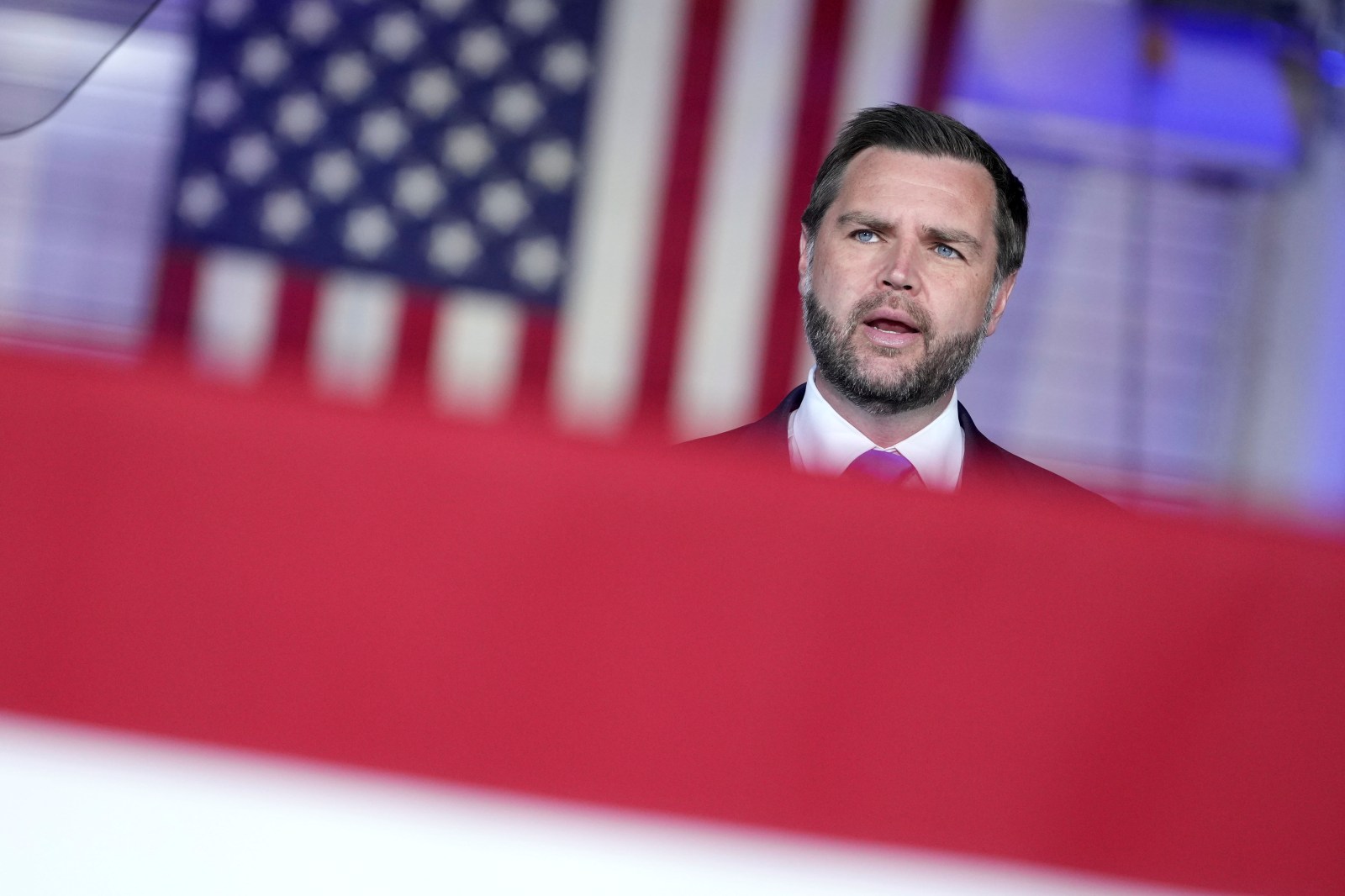
Vice President JD Vance recently addressed the issue of widespread fraud linked to COVID-19 pandemic-era assistance programs for small businesses. Officials from the Trump administration announced that the fraudulent activities amounted to more than $39 billion. The Small Business Administration (SBA) in Missouri highlighted its efforts to tackle the fraud, an issue Vance has focused on since January 2025. Fraudulent activities involved both legitimate and fake businesses receiving funds through the Paycheck Protection Program (PPP) and Economic Injury Disaster Loans (EIDL).
Vance stated, “The American people have every right to expect that when they write a check to the IRS, when they write a check to the federal government, that money is going to go to where the law says it should go and not to fraudsters.” These remarks were shared with reporters as the SBA emphasized its commitment to addressing these abuses.
SBA’s Enhanced Measures to Tackle Fraud
The SBA has already taken steps to suspend over 150,000 businesses, intensifying its crackdown on fraudulent activities. Administrator Kelly Loeffler highlighted that about 870,000 organizations, suspected of nearly $39 billion in fraudulent claims, are not eligible for government payments. Suspects have received demand letters requiring them to repay or face legal consequences.
This initiative aligns with the White House’s strategy to eliminate fraud, which it partly attributes to the Biden administration. However, some fraudulent activities fall within the previous Trump administration’s jurisdiction. U.S. Attorney General Todd Blanche outlined the actions taken to prosecute offenders, including fabricating companies, submitting false claims, identity theft, and concealing foreign connections.
The Response to Urgent Economic Needs
According to Don Kettl, professor emeritus at the University of Maryland School of Public Policy, the urgency to distribute funds quickly during the pandemic created opportunities for fraud. Early recipients needed minimal certification to qualify for aid. Most funds were disbursed before the SBA implemented stricter controls. Consequently, the SBA Inspector General initially lacked sufficient evidence to investigate two-thirds of cases due to the volume without adequate personnel to verify them.
Geographical Insights on Fraudulent Loan Activities
The SBA’s recent announcement revealed that Florida holds the highest number of bans, with over 118,000 borrowers involved in alleged fraud exceeding $5 billion. Other states with high suspension rates include Texas, Georgia, New York, and Michigan. Previously, California was reported to have 112,000 fraud cases amounting to $8.6 billion.
Continued Efforts to Combat Fraud
Vice President Vance and FBI Director Kash Patel emphasized strong enforcement measures against fraud. Scott Brady, leading the White House Task Force to Eliminate Fraud, expressed commitment to tackling the issue. The SBA has identified over $200 billion in misallocated pandemic-era fundings, around 17% of the total for PPP and EIDL programs.
The Government Accountability Office noted that rapid relief distribution in 2020 allowed fraudulent actions through self-verification, enabling the creation of fake companies to secure multiple payouts. Comparisons of fraud levels across different administrations prove difficult due to varying conditions and measures.
In 2024, the Biden administration prosecuted around 3,500 defendants, recovering approximately $1.4 billion. However, Kettl highlighted challenges in recovering funds and the shadowy nature of some organizations. The SBA aims to deter future fraud by maintaining a list of ineligible contractors.