
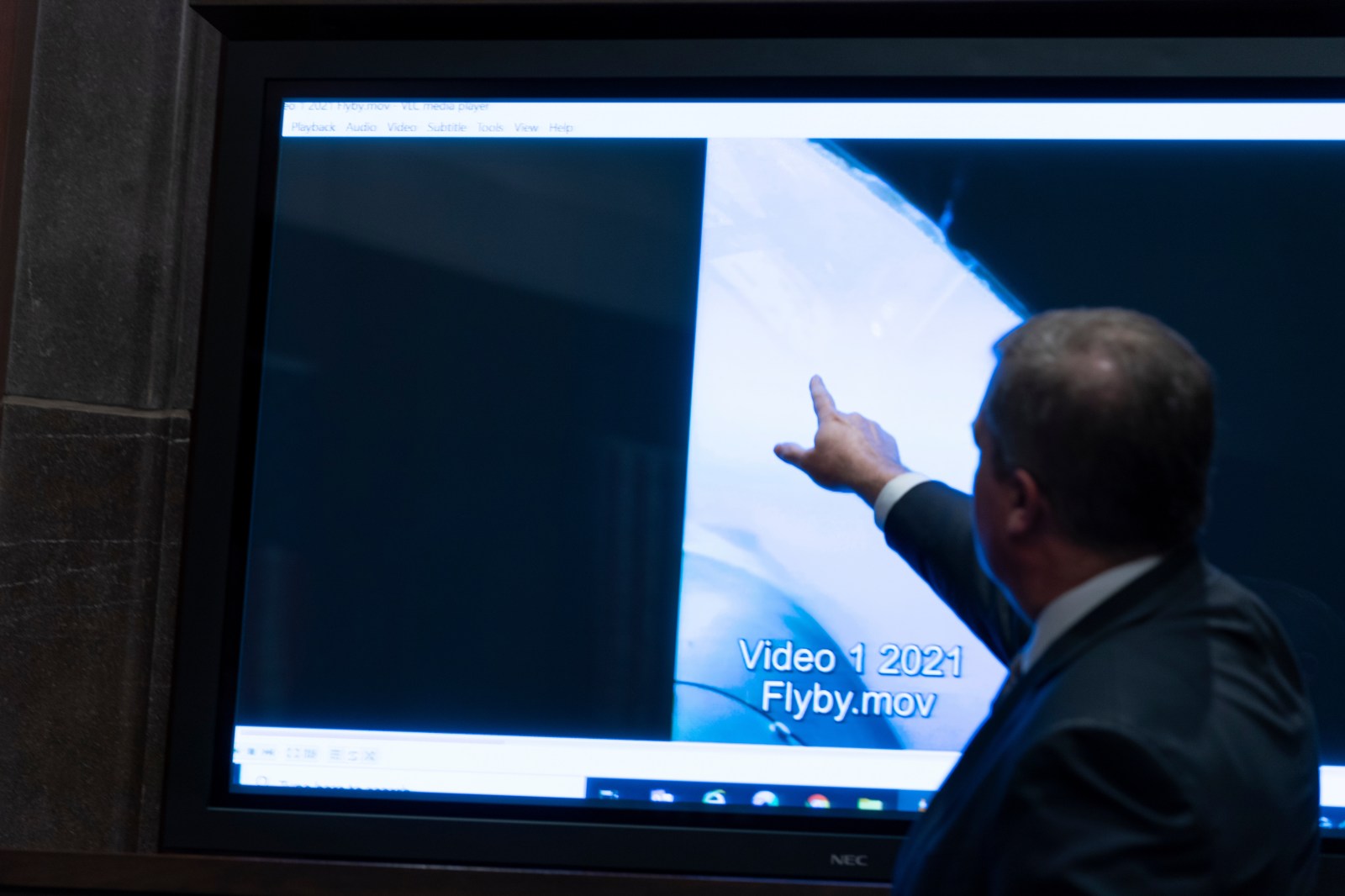
The Department of Defense announced a new legal waiver allowing current and former military personnel, civilian employees, and contractors to disclose information on Unidentified Anomalous Phenomena (UAP), commonly known as UFOs. This move facilitates communication with the Presidential Unsealing and Reporting System for UAP Encounters (PURSUE), a government transparency initiative.
Background and Motivation
This announcement follows increased interest in UAP investigations due to congressional hearings, whistleblower allegations, and the release of classified records. For years, military personnel and contractors with knowledge of classified UAP programs avoided speaking out due to fear of legal consequences, such as losing security clearances. The waiver removes these legal barriers, allowing individuals to share UAP information with PURSUE without breaching secrecy agreements.
The Role of PURSUE
The newly implemented process creates a formal channel for reviewing and potentially declassifying past and ongoing UAP information. Advocates of transparency argue that legal protections encourage witnesses to share information, aiding lawmakers and the public in understanding unexplained aerial events.
“Anytime there can be more transparency, it’s great,” Dr. Julia Mossbridge, founder of the Mossbridge Institute, stated.
Dr. Mossbridge applauded efforts to release previously classified information to the general public, crediting various organizations for pushing for transparency and congressional hearings. She emphasized the potential impact on understanding our place in the universe.
Previous Restrictions
Before this waiver, personnel with access to classified information were bound by non-disclosure agreements and Special Access Program Indoctrination Agreements. These agreements discouraged sharing UAP-related information due to legal or administrative concerns. The new directive waives civil and administrative enforcement provisions for disclosures made to PURSUE representatives. However, it does not authorize unrestricted public disclosure but ensures a controlled process for security review and potential declassification.
Recent UAP Disclosures
The Department of Defense released its fifth set of UAP information under PURSUE. The tranche included various sightings, such as thermal video footage of infrared anomalies, reported by special agents. A notable contributor to UAP disclosures is former intelligence officer David Grusch, who alleged that secret government programs have recovered and studied unidentified craft.
Grusch, advocating for whistleblower protections and transparency, testified before the House Oversight Committee in July 2023. He stressed the significance of uncovering non-human reverse engineering programs, suggesting they could trigger a global re-evaluation of priorities.
“The knowledge we stand to gain should spur us toward a more enlightened and sustainable future,” Grusch concluded.
David Fravor and Ryan Graves, other notable figures, also shared experiences. Fravor recounted witnessing a flying object during a training mission in 2004, further highlighting the need for disclosure.
Conclusion
The waiver aims to address legal concerns about disclosing UAP-related information. As the initiative progresses, focus will likely shift to whether more witnesses come forward and if new records are made available through the established review and declassification procedures.