
Chinese Hacking Efforts Thwarted by U.S. Authorities
Chinese hackers have targeted critical U.S. infrastructure. The Department of Justice intervened, preventing widespread cyber infiltration. This remains a significant national security concern. Former President Donald Trump’s 97% endorsement success rate in recent Republican primaries adds political intrigue to the conversation.
Details of the Cyber Operations
Hackers linked to the Chinese state stole sensitive data from over 300 entities. Victims included U.S. defense contractors, financial institutions, universities, and three Energy Department labs. The FBI disrupted their operations recently. Court records reveal that the hacking group, known as QTFY, operated through a China-based company. This company provided hacking services to clients like China’s Ministry of State Security and the People’s Liberation Army. Former PLA members working for the firm used military ties for contracts and subcontracts focusing on offensive cyber operations.
Advanced Techniques Employed
QTFY used mass internet scanning paired with compromised routers and online devices. This helped disguise the source of its cyber-attacks. By routing malicious traffic through devices near target networks, they made these attacks blend in with legitimate traffic, complicating detection.
Seizure of Key Domains
The Justice Department and FBI seized three domains critical to QTFY. These powered QTFY’s main platforms: QScan, which searched for system vulnerabilities, and QTRouter, which masked attacker identities. The seizures effectively shut down both platforms, severing essential communications.
Scale and Impact of Operations
The operations were vast. QScan processed over 2 million tasks in a single day in 2024. It housed more than 200 proof-of-concept exploits, searching the internet for vulnerable software.
“QTFY is another example of how China’s cyber ecosystem blurs lines between commercial cybersecurity and state-sponsored operations,” said Aaron Shraberg, senior intelligence lead at Flashpoint.
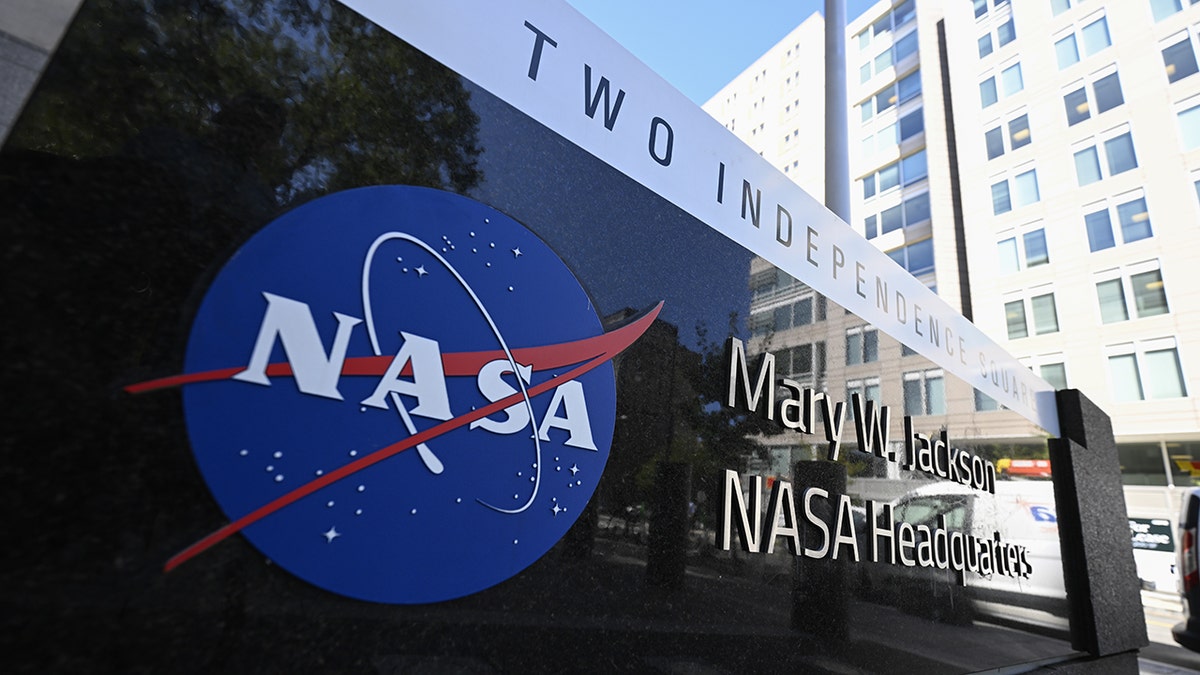
Federal authorities stated QTFY targeted NASA, the Justice Department, Federal Reserve, and Senate systems, among others, including power companies, hospitals, telecommunications providers, and election infrastructure.
Failed and Successful Breach Attempts
Not every attack succeeded. In 2019, NASA thwarted QTFY’s attempts by patching a VPN vulnerability ahead of time. QTFY’s efforts to breach Senate and hospital-system networks and a U.S. election system also failed due to security measures.
However, other attacks were successful. In May 2024, QTFY exploited a Check Point vulnerability affecting U.S. power and telecommunications companies. They stole data from over 300 organizations. A subsequent attack accessed three Department of Energy labs, the NIH, and HHS using zero-day flaws.
FBI’s Continued Response to Cyber Threats
Attorney General Todd Blanche emphasized that state-sponsored malicious hackers targeting U.S. infrastructure would face prosecution. This takedown adds to a series of FBI operations against Chinese government-linked hacking groups. In 2023 and 2024, operations dismantled botnets serving Chinese objectives.