
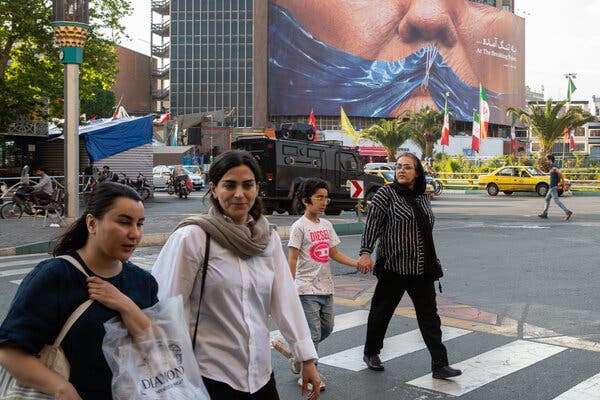
The United States and Iran are engaged in discussions aimed at ending a protracted conflict in the Middle East. However, conflicting statements from both countries show that reaching a consensus may require time.
Negotiations are focusing on lifting the blockade of the Strait of Hormuz, a crucial route for oil and gas transport. Despite the ongoing dialogue, major details remain unsettled.
Key Concerns
The central issue revolves around Iran’s nuclear program. American and Iranian officials have expressed differing viewpoints on this matter, complicating the possible agreement. Esmail Baghaei, Iran’s foreign ministry spokesman, emphasized that while progress has been made, the finalization of an agreement is not yet certain. According to Iran’s state broadcaster, he stated, “We have reached conclusions on a large portion of the issues, but no one can claim that the signing of an agreement is imminent.”
American Perspective
President Trump indicated skepticism about a swift resolution. In a recent social media post, he mentioned that any possible agreement with Iran should be substantial. He reassured critics by stating, “Both sides must take their time and get it right.” He reiterated his commitment to securing an acceptable deal, though specific details were not disclosed.
The path toward a comprehensive resolution appears complicated by these differences, leaving the global community uncertain about the outcome of the negotiations.