
Israel’s Role in Recent Conflict
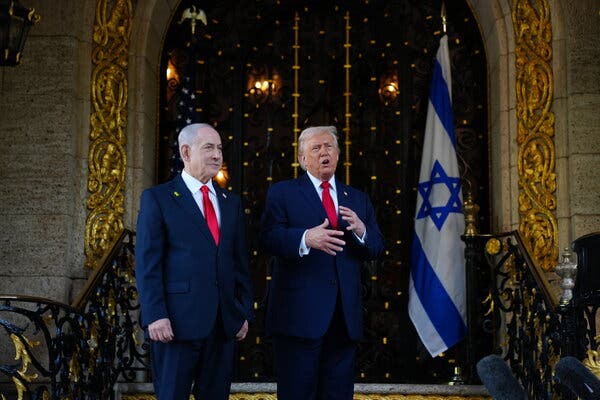
Prime Minister Benjamin Netanyahu of Israel played a significant role in the discussions leading up to the attack on Iran on February 28. He was actively engaged in the Situation Room with President Trump, forecasting that a joint U.S.-Israeli military operation could potentially dismantle the Islamic Republic. This confident assertion, however, did not come to fruition.
Exclusion from Truce Negotiations
Following the initial expectations, the dynamics shifted drastically for Israel. The Trump administration largely excluded Israeli leadership from the ongoing truce discussions between the United States and Iran. Israel’s defense officials, who shared insights with anonymity, noted that Israel’s leaders were mostly out of the loop.
With limited communication from their key ally, the Israelis relied on regional leaders and diplomats, along with intelligence within Iran, to stay informed. This exclusion poses notable concerns for Israel and presents challenges for Netanyahu, who faces a challenging re-election year.
Netanyahu’s Political Strategy
Netanyahu has consistently positioned himself as uniquely able to secure President Trump’s backing. In public addresses, he emphasized his close rapport with Trump, claiming frequent conversations and collaborative decision-making.
During the escalation of the war in February, Netanyahu aimed to achieve his longstanding goal of halting Iran’s nuclear ambitions. Initially, the conflict seemed aligned with his aspirations following the significant impact on Tehran’s governance. Yet, the subsequent sidelining by the U.S. altered the narrative, impacting perceptions of Netanyahu’s leadership and strategy.