
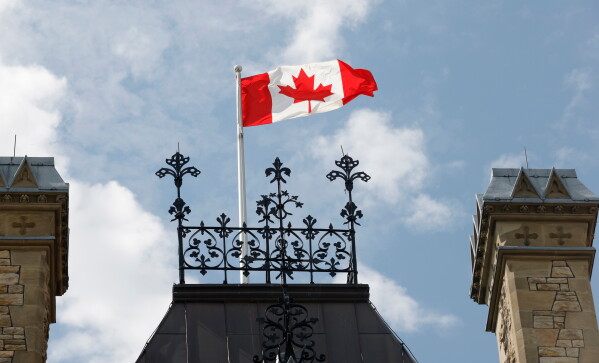
President Donald Trump’s tariffs and their implications have severely strained relations between the United States and Canada. Over his second term, Trump imposed steep taxes on Canadian imports, suggesting Canada could become the ’51st state.’ This rhetoric, alongside fluctuating tariffs, has angered Canadians. Their government responded with retaliatory measures, adding uncertainty for businesses and consumers on both sides of the border.
Initial Tariff Threats
Trump planned 25% tariffs on Canadian imports upon his return to office. He signed an executive order imposing these tariffs starting February 4, 2025, citing a national emergency over undocumented immigration and drug trafficking. Outgoing Canadian Prime Minister Justin Trudeau vowed retaliatory tariffs. However, tensions cooled when the tariffs got delayed and exemptions were offered, especially for goods compliant with the US-Mexico Canada Agreement.
Escalating Trade Tensions
In Spring 2025, Trump announced ‘reciprocal’ tariffs on multiple trading partners. Legal challenges ensued over the emergency powers used for these tariffs. The U.S. Court of International Trade initially ruled Trump exceeded his authority, but a federal appeals court temporarily halted this. Despite legal battles, sectoral levies worldwide continued. Canada’s new Prime Minister Mark Carney matched U.S. tariffs on vehicles and threatened further measures against U.S. steel and aluminum.
Trade Talks and Uncertainties
In late 2025, trade tensions intensified. Trump imposed a heightened 35% tariff on Canadian goods. Concurrently, the U.S.’s 50% levy on imported copper took effect. Carney responded by removing retaliatory tariffs matching U.S. exemptions under USMCA. Although critics argued this was capitulation, Carney maintained this would boost trade talks. Canada also intended to double non-U.S. exports by the next decade due to Trump’s tariffs.
Legal and Diplomatic Developments
Trump’s legal fight reached the Supreme Court, which struck down import taxes in February 2026. Trump then enacted a temporary 10% global levy. Earlier, Carney focused on strengthening trade ties with China, leading to reduced tariffs on Chinese EVs. Trump’s threats for additional levies, including a 100% tariff on Canadian goods, went unrealized. He threatened further actions but faced multiple diplomatic challenges.
Current Trade Agreement Challenges
Negotiations to renew the US-Mexico-Canada Agreement began in March. Canada wanted 16-year renewal, but uncertainties prevailed, leaving the pact in effect until its 2036 expiration. Later threats saw Trump impose 50% levies on many Canadian goods, claiming Canada discriminated against U.S. products. These levies impacted a small percentage of Canadian exports to the U.S., sparking further retaliatory actions from Canada.