
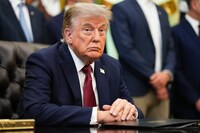
President Donald Trump experienced a bustling week, starting with the conclusion of the World Cup in New Jersey, where he was showered with golden confetti. According to administration officials, the five-week tournament demonstrated the United States’ leadership and international engagement.
The subsequent days highlighted Trump’s unpredictable foreign policy strategy. From trade disputes to nuclear negotiations, tensions escalated with both allies and adversaries.
Monday
Trump’s week dived into international concerns as he threatened Iran, declaring that they would pay “many times over” for the death of American soldiers. The warning followed a series of attacks and the breakdown of a ceasefire between the United States and Iran, after the latter attacked commercial vessels.
He also made headlines by stating on Truth Social that Israeli Prime Minister Benjamin Netanyahu would not be arrested during a U.S. visit, despite calls from some to enforce an International Criminal Court warrant. He criticized Iranian leaders as those deserving arrest instead.
Trade and Tariffs
In the afternoon, the Trump administration announced a 50 percent tariff on most Canadian goods, effective in 30 days. This decision, intended as a response to perceived Canadian trade barriers, followed Trump’s earlier threat to impose tariffs in retaliation for the Ontario wildfires’ smoke affecting the U.S.
Tuesday and Wednesday: Intensified Rhetoric
Tuesday saw Trump reiterate threats to Iran, warning that despite being “nice,” the U.S. military could escalate its aggression. The following day, he intensified threats, suggesting the destruction of vital Iranian infrastructure if attacks in the Strait of Hormuz continued, a response that alarmed some international observers.
During a speech in Georgia, Trump accused Iranian leaders of causing rising oil prices, claiming they break every deal. However, he remained optimistic about future declines in oil prices.
Saudi Nuclear Deal
The Trump administration revealed a nuclear deal with Saudi Arabia on Wednesday, offering a path to nuclear fuel enrichment. While it marked a shift from U.S. nonproliferation policy, it faced criticism for lacking sufficient safeguards.
By Thursday, Trump added a twist, making the deal contingent on Saudi Arabia joining the Abraham Accords, which normalized relations between Israel and some Arab countries. Saudi Arabia’s resistance linked the accords to the establishment of a Palestinian state.
Oil and Shipping Tensions
Thursday’s rhetoric extended to Yemeni Houthi attacks on Saudi ships. Trump warned of holding Iran accountable for the damages, with the U.S. demanding compensation from Iranian funds.
Tariff Expansion
Friday marked the imposition of new tariffs on numerous countries as previous temporary duties expired. The Trump administration defended them as measures against forced labor, but critics saw it as part of a broader effort to reduce dependence on imports.
Negotiations with Iran
Trump concluded the week by acknowledging ongoing negotiations with Iran, emphasizing the importance of a careful approach to any potential deal. He noted, “We have to do it right,” while stressing no rush was necessary.