
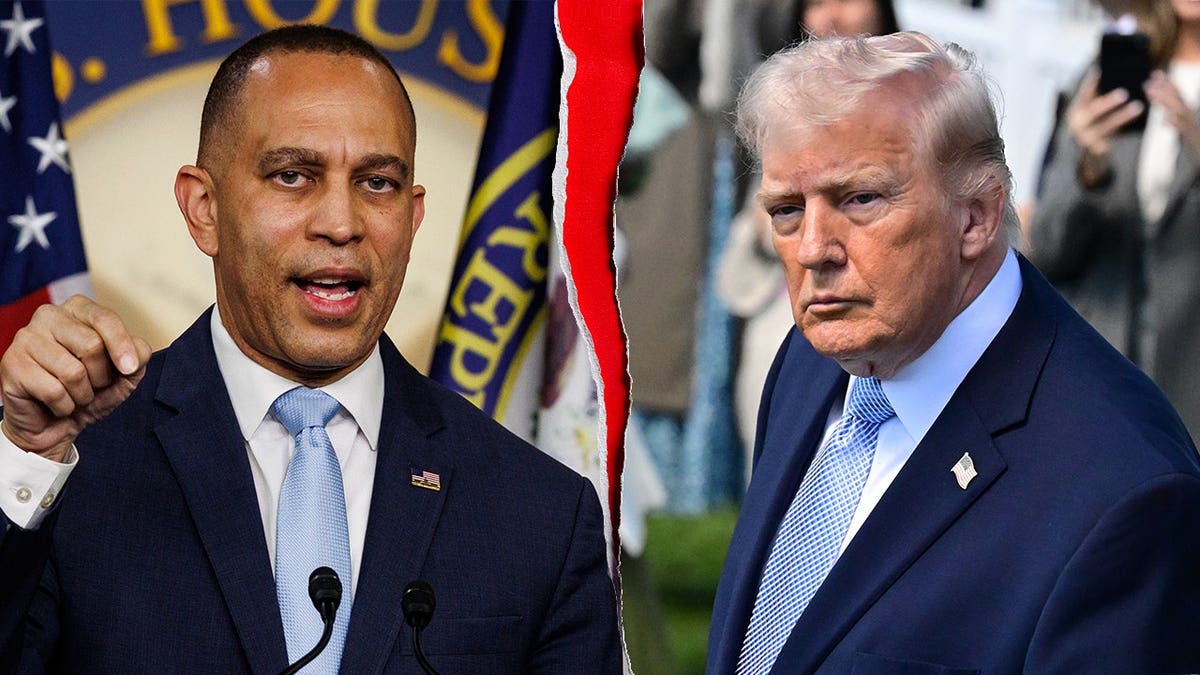
A proposed sanctions bill targeting Russia has become a focal point of disagreement in the U.S. House of Representatives. Concerns have arisen over the provision that would grant President Donald Trump expanded tariff authority.
Debate on Tariff Authority
The debate centers around the bill passed by the Senate, which aims at sanctioning Russia and Iran. The House must now decide whether to allow Trump more tariff power or risk delaying further sanctions on Russia over its actions in Ukraine.
The bill is named in honor of the late Sen. Lindsey Graham, known for his support for Ukraine. Despite broad support for Ukraine among Democrats, the bill’s language expanding presidential tariff powers creates a point of contention.
House Democrats’ Concerns
Democratic leaders, such as Rep. Gregory Meeks and Rep. Richard Neal, have expressed skepticism. They argue the bill could unduly increase presidential power without adequately mandating sanctions on Russia.
House Minority Leader Hakeem Jeffries criticized the bill’s provisions, emphasizing the need to address concerns about presidential authority over tariffs.
Provisions of the Bill
The legislation would authorize the president to impose significant tariffs, up to 500% on Russia and up to 100% on countries purchasing Russian energy. It also directs the president to levy sanctions on Russian officials tied to the ongoing conflict in Ukraine.
Legislative Process
The House Rules Committee set up votes on the measure. A procedural vote took place, and a full House vote was scheduled. Given internal GOP divisions, Democratic support may be crucial for the bill’s passage.
Sen. Richard Blumenthal defended the bill’s tariff language, asserting that legal restraints would curb any misuse by Trump. Senate Democrats, while typically opposed to tariffs, supported limited tariff authority for Trump in exchange for tough sanctions on Russia.
Ongoing Negotiations and Political Dynamics
The bill has seen nearly two years of negotiation efforts. The involvement of prominent figures like Sen. Ron Wyden and Sen. Elizabeth Warren underscores the varied internal views.
Despite concerns, the Senate mostly backed the bill, marking a critical juncture in U.S. policy toward Russia. This reflects the balance lawmakers seek between curbing the president’s tariff capabilities and ensuring effective sanctions against Russia.