
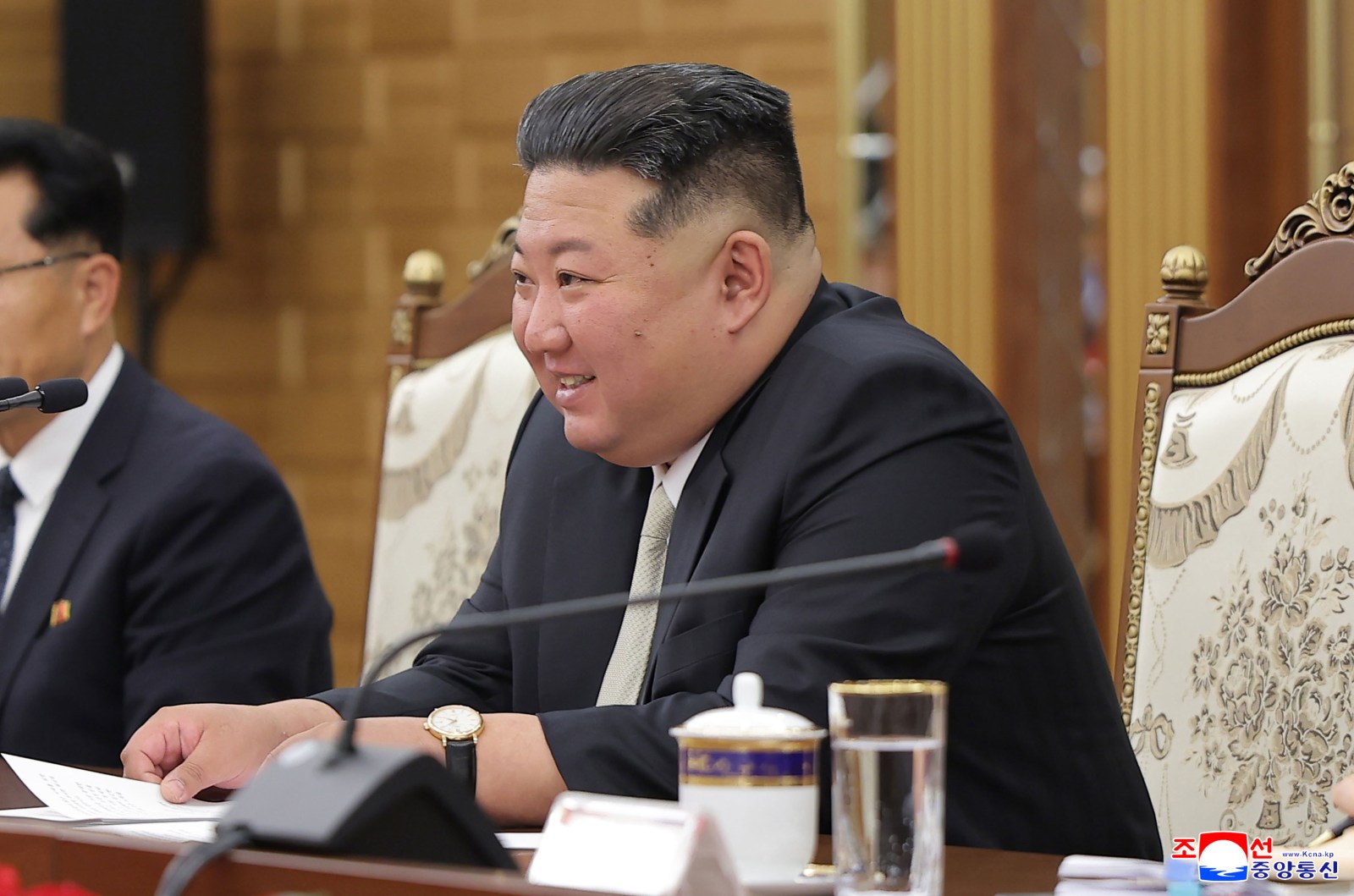
Trump’s Dynamics with North Korea
President Donald Trump is eager to restore his rapport with North Korean leader Kim Jong Un. However, the longstanding U.S. alliance with South Korea poses challenges. In a bid to engage Pyongyang, Trump shortened one military exercise with Seoul and canceled another. Despite these gestures, the only acknowledgment arrived from Kim’s sister, expressing Kim’s “good memories and feelings” regarding Trump.
This approach by Trump could be unsettling for South Korea, which has stood as America’s consistent ally since the Korean War, where American soldiers sacrificed their lives fighting the North.
Photos on Truth Social recently highlighted Trump’s continued interest in Kim, whom he once referred to as “rocket man.” Trump views Kim as a potential peace partner amidst a tumultuous international scene.
Trump’s Unique Diplomacy
Trump employs unconventional diplomacy, extending his outreach to authoritarian figures like Kim, Russian President Vladimir Putin, and China’s Xi Jinping. Initially, when Trump entered office, his communication with North Korea included threats, even calling Kim a “madman.” But this evolved into a curious admiration after receiving messages from Kim, which Trump described in affectionate terms during a 2018 rally.
At the 2024 Republican National Convention, Trump expressed confidence in his relationship with Kim, suggesting mutual interest in reconnecting.
While Trump remains vague about further engagements with Kim, the idea of exchanging letters evokes a nostalgic sentiment. However, North Korea has adapted to digital advancements despite its isolation.
Kim’s Calculated Interests
Kim Jong Un, at 42, plays his cards cautiously, understanding the benefits of Trump’s praises. Although leading a secluded regime under extensive U.N. sanctions, Kim gains stature whenever mentioned by Trump. Meanwhile, Trump focuses on ongoing conflicts, including the tensions with Iran, and upcoming U.S. elections. Kim, unfazed by immediate pressures, bides his time.
During previous summits, Kim walked away bolstered. North Korea’s arsenal now boasts twice the nuclear warheads than in 2019. Strategically aligning with Russia and China, Pyongyang enhances its military stance while maintaining significant diplomatic influence.
Challenges with South Korea
The U.S.-South Korea alliance has experienced strain over the last 18 months, tied by a defense treaty since 1953. South Korea hosts more than 23,000 U.S. troops, forming a vital “tripwire” deterrent against North Korean aggression. Despite being a critical trade partner, South Korea faced repercussions during Trump’s tariff disputes.
Relations were further strained when Trump criticized South Korean support in Middle Eastern conflicts. Even before scaling back joint military operations, South Korean public opinion showed declining favorability toward the U.S., revealed by Pew Research Center’s survey on August 24.
According to Pew, for the first time in over two decades, 55% of South Koreans viewed the U.S. unfavorably. Yet, they still considered the U.S. an essential ally capable of countering the North.
South Korean President Lee Jae Myung seeks improved ties with the North, stopping border propaganda and acknowledging North Korea’s nuclear ambitions during his White House visit. He advised Trump to renew dialogue with Kim and encouraged a peace treaty to end the Korean War. Nonetheless, North Korea designates the South as an adversary.
Prospects of Trump-Kim Relations
Trump regards maintaining positive relations with Kim as beneficial. Kim’s sister confirms their “excellent” relationship, providing Trump potential leverage in discussions about North Korea’s nuclear activities or weapon supplies to Russia.
Before their 2018 meeting in Singapore, Pyongyang extended an invitation to Trump via Seoul. With current North-South communication halted, if Trump and Kim reunite, signals may emerge, with South Korea potentially left in the dark.