
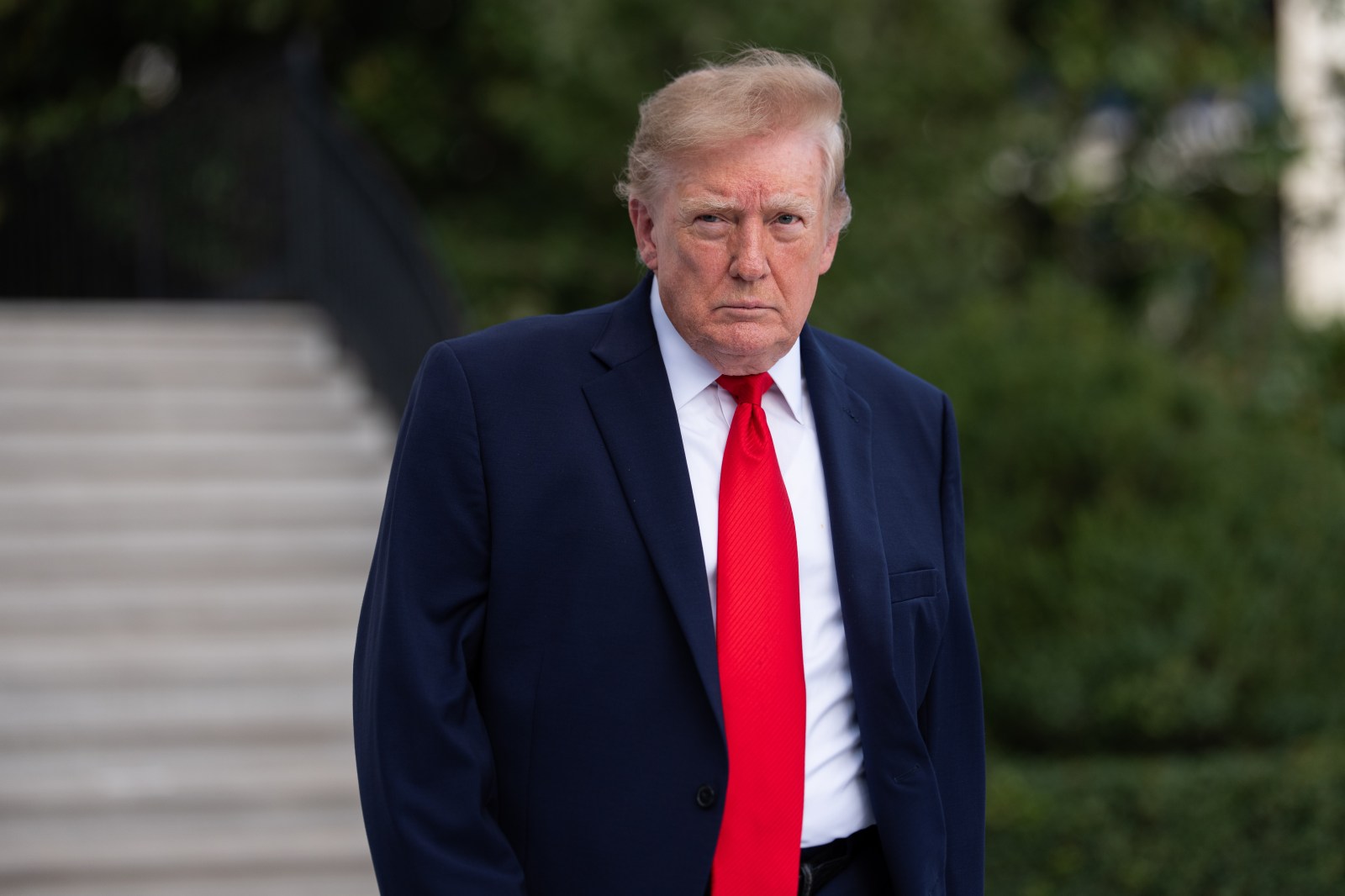
President Donald Trump’s approval ratings are low in key Senate battlegrounds as both Democrats and Republicans prepare for a tight battle for control of the Senate just two weeks before the midterm elections. Currently, Republicans hold a 53-47 majority, facing challenges amid declining approval of Trump and voter sentiment on the economy.
Significance of Trump’s Approval Rating
Historically, a president’s unpopularity often leads to losses for their party in midterms. While Democrats have been expected to retake the House, the Senate presents a tougher challenge. As of now, Republicans find themselves defending seats that seemed secure. The Cook Political Report lists seven toss-up races in states like Alaska, Iowa, and Texas where Trump’s approval is low, affecting the GOP’s prospects.
Presidential approval is a significant factor in voter behavior during midterms, often driving results in wave elections where the opposition party wins seats considered safe for the incumbents,said Jacob Neiheisel, a political science professor at the University at Buffalo.
The Senate races seem tight, with Democrats potentially taking several toss-up seats if they have a strong showing. However, whether polling reflects actual results won’t be known until Election Day.
Analysis of Key Battlegrounds
Alaska: Trump won Alaska by about 13 points in 2024, but currently his approval rating stands at -12. The race between GOP Senator Dan Sullivan and Democrat Mary Peltola shows a close contest, with recent polls slightly favoring Peltola.
Iowa: Despite Trump winning by 13 points in 2024, his approval ratings have now declined to -22 points. Here, farmers are concerned about tariffs and diesel prices impacting the economy. The race between Republican Ashley Hinson and Democrat Josh Turek shows mixed poll results.
Kansas: Trump’s approval is almost evenly split in Kansas. Republican Senator Roger Marshall faces a close contest against Democratic pastor Adam Hamilton. Recent polls offer varied outcomes.
Maine: Senator Susan Collins, running in a state Trump lost, faces Democrat Troy Jackson. Collins emphasizes her moderate stands, having broken with Trump on several votes. Polls indicate a competitive race with results closely divided.
Michigan: Democrat Abdul El-Sayed competes against Republican Mike Rogers in a state Trump narrowly won in 2024. With low approval ratings for Trump, the polling remains tight with slight leads for El-Sayed.
Ohio: Trump’s approval is underwater by 21 points. Republican Jon Husted faces former Democratic Senator Sherrod Brown. Polls show close outcomes with various leads from different surveys.
Texas: Though historically a conservative bastion, Trump’s approval is now negative. Attorney General Ken Paxton faces Democratic James Talarico in a close contest.
Outlook on Senate Control
As Election Day nears, prediction markets favor Democrats, estimating over a 60 percent chance of gaining a Senate majority. These markets reflect current trader sentiment and react to developments but do not guarantee future outcomes.
What’s Next?
Trump’s approval ratings will be closely examined as the midterm elections approach. Key issues like the economy and cost of living will influence voter sentiment as candidates make their final campaign efforts.