
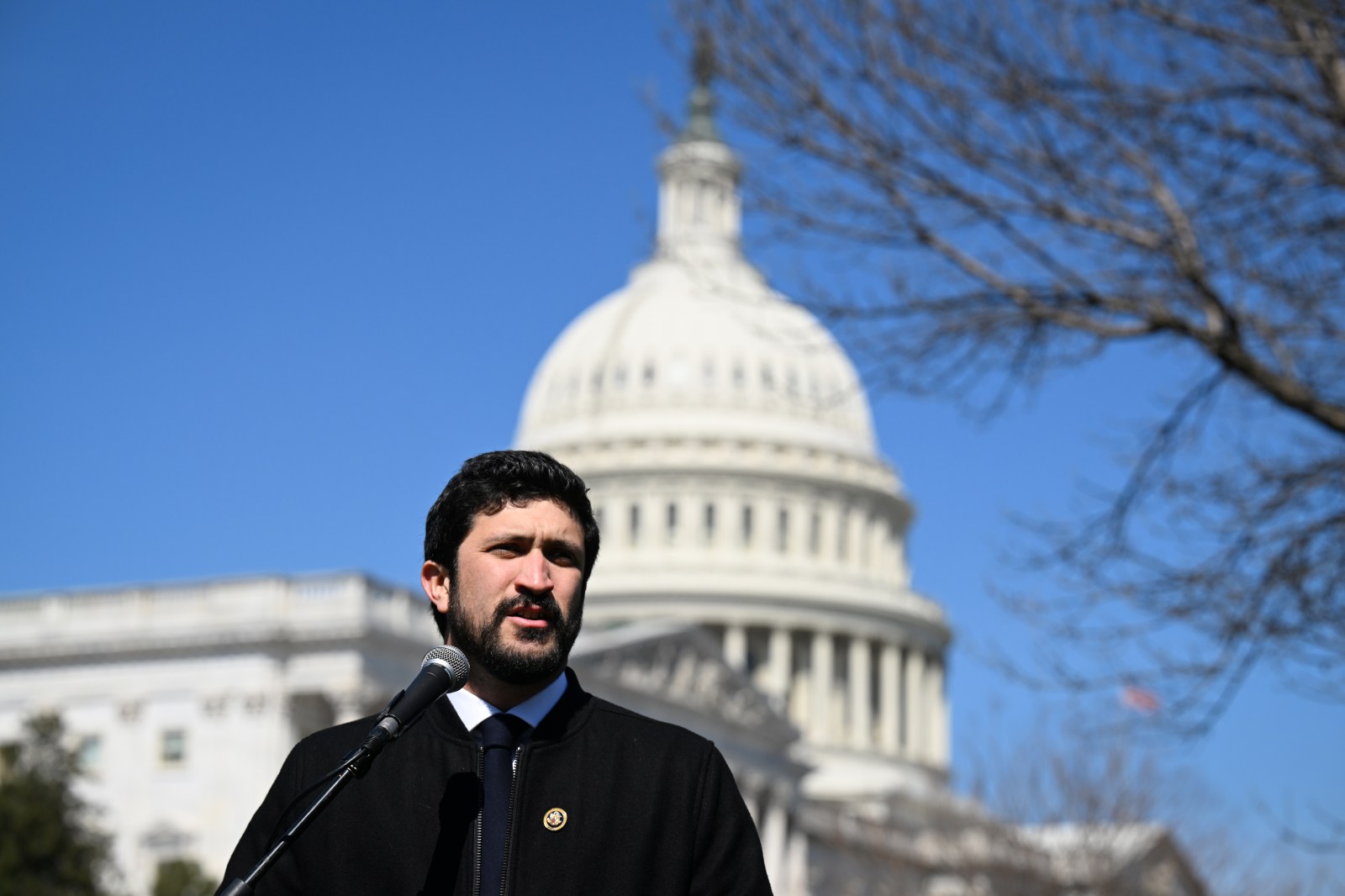
Congressional progressives are preparing a strategy for Democrats to leverage their new House majority to challenge President Donald Trump on economic promises. These include addressing prescription drug costs and credit card interest rates. Representative Greg Casar of Texas, chair of the Congressional Progressive Caucus (CPC), detailed this plan in a memo to caucus members obtained by Politico.
The memo suggests that the size of the Democrats’ new majority will enhance progressives’ legislative influence. The CPC anticipates having over 105 members in the next Congress, with many representing districts that recently shifted from Republican to Democratic control. “Our members will now chair key committees and hold other crucial leadership roles,” Casar wrote.
Three-Part Strategy for Progressives
Casar’s strategy involves three key actions: passing progressive legislation, using congressional oversight to scrutinize both corporations and the Trump administration, and ensuring Trump honors his populist economic policies. In response to this strategy, White House spokesman Matthew Middleton expressed the president’s willingness to work across party lines to strengthen the economy.
Middleton stated, “Under President Trump’s leadership, the administration has signed historic tax cuts for working-class Americans, reduced prescription drug costs, added over a million private-sector jobs, and secured nearly 20 trade deals.” He added that the president aims to collaborate with Democrats to prioritize the American people.
Democrats’ House Majority and Influence
Following the midterm elections, Democrats gained control of both chambers, estimating around 255 House seats. Casar dismisses concerns about diminished leverage due to the larger majority. He argues that a substantial majority allows progressives to push for notable legislative achievements focused on reducing costs, combating corruption, and raising wages.
This perspective adds complexity to intra-party debates regarding the impact of the election results. Progressives point to victories by left-leaning candidates, while moderates highlight wins in Republican-leaning districts, underscoring the need for broad electoral appeal.
Casar’s memo minimizes the risk of intraparty conflict, highlighting that larger majorities counteract corporate special interests. His approach contrasts with strategies of groups like the conservative House Freedom Caucus.
Legislative Goals and Economic Strategy
Casar suggests that Democrats propose economic policies previously endorsed by Trump and seek his approval. Examples include a housing measure led by Senator Elizabeth Warren and Representative Maxine Waters targeting private equity home purchases. The CPC aims to hold Trump accountable for his pledged policies like capping credit card interest rates and reducing prescription costs.
Casar’s memo notes Trump’s stance against excessive vetoing, encouraging sending legislation that cuts prices and raises wages to his desk. Former Senator Heidi Heitkamp advised Democrats to focus on immediate economic relief policies, putting decisions squarely in the hands of the White House.
Commitment to Oversight and Regulation
The CPC’s strategy extends beyond legislation, emphasizing aggressive congressional oversight. Casar urges investigations into the Trump administration and corporations utilizing consumer data for pricing. He also critiques healthcare companies exploiting seniors and AI companies jeopardizing jobs.
Casar stated, “The government must prevent companies from exploiting workers and consumers,” calling Congress to engage in stringent oversight. He emphasizes addressing corporate exploitation, affirming Democrats’ pro-worker and pro-consumer stance.
After a significant electoral win, Democrats confront differing interpretations of voter intent. Casar highlights priorities such as raising minimum wages, expanding social security, reversing healthcare cuts, and scrutinizing ICE practices.
While initial focus is on the first 100 days, Casar insists Democrats need a sustained legislative agenda over the next 100-plus weeks of their majority. This comprehensive strategy aims to ensure affordability across the board.