
US Troop Withdrawal from Iraq
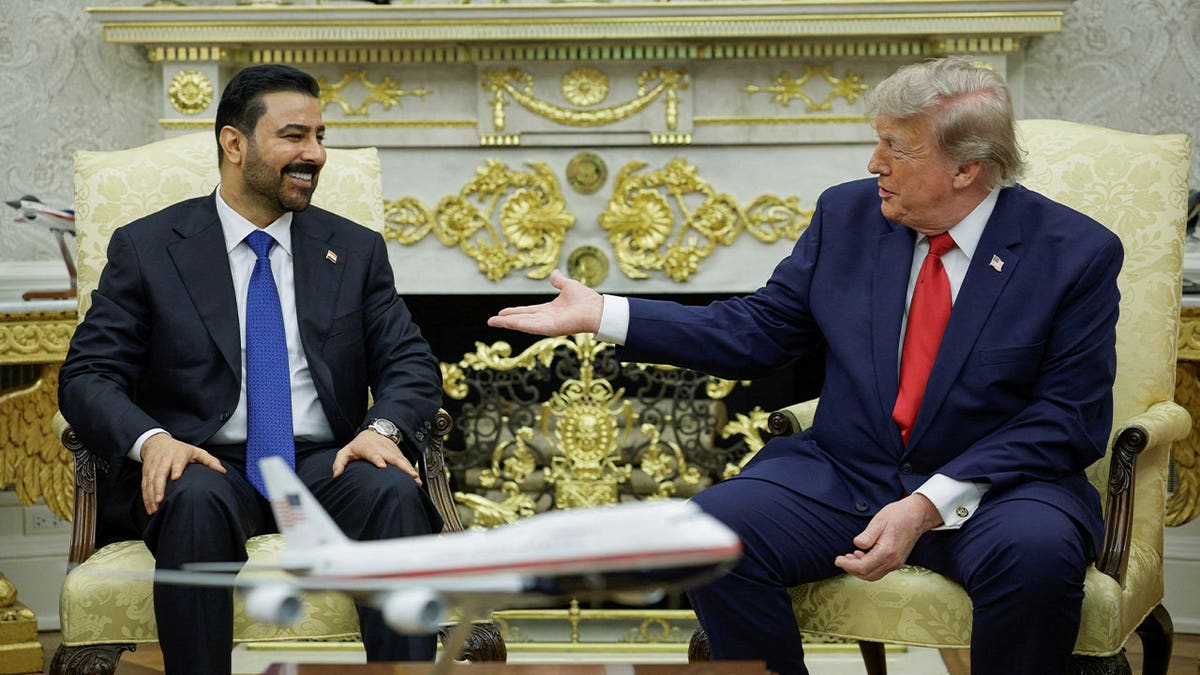
President Donald Trump has announced that the United States will withdraw its troops from Iraq, asserting that the country is now able to manage without foreign military presence. Iraqi Prime Minister Ali al-Zaidi supports this stance, indicating that armed groups outside state control will have no reason to exist once the coalition mission concludes.
Efforts to Integrate Militias
The Trump administration is working to compel Iraqi Prime Minister Ali al-Zaidi to dismantle pro-Iran terrorist militias despite facing obstacles. A senior Iraqi official revealed that Baghdad will not adhere to the September 30 deadline to disarm the Popular Mobilization Units (PMU), a group of state-affiliated militias.
The Iraqi government aims to integrate these militias into the state structures. The radical Shiite cleric Muqtada al-Sadr, leading the Saraya al-Salam group, has shown support for integration. However, other groups like Kataeb Hezbollah and Harakat Hezbollah al-Nujaba refuse to disarm or comply.
Mixed Messaging and Official Statements
Qasim al-Araji, security advisor to the prime minister, stated that September 30 is only the deadline for the international coalition’s departure, not for weapon handovers. This coalition, led by the US, was crucial in defeating ISIS in the region.
The lack of clarity on the disarmament deadline has been noted, with an official response from the Iraqi government highlighting ongoing efforts to place all weapons under state control, stressing the importance of preventing military confrontations and ensuring investment confidence.
Oil Sanctions and Corruption Issues
In May, the US Treasury Department imposed sanctions on Ali Maarij Al-Bahadly, Iraq’s deputy minister of oil, for misusing his position to benefit the Iranian regime and its militias in Iraq. This step highlights ongoing issues with Iranian influence in the region.
Later, Iraq’s anti-corruption body sentenced Al-Bahadly to seven years in prison for financial misconduct. Concerns were raised about the diversion of Iraqi oil profits to support Iranian-backed groups, although Iraq’s government dismissed these claims.
Continued Challenges with Militias
Despite hopes for decisive action, skepticism remains regarding Prime Minister al-Zaidi’s effectiveness in controlling militias. His visit to the White House and public commendation by President Trump have not resolved the challenges posed by groups like Asaib Ahl al-Haq and Kataib Imam Ali.
Esmail Qaani of the IRGC Quds Force reportedly advised militia leaders to resist disarmament and maintain their arsenals. This direction complicates Iraq’s efforts to reclaim authority over rogue military entities.
The Government’s Ongoing Struggle
“The Iraqi government genuinely attempted reform, but militias’ willingness to use force, even against their own people, is a significant barrier.” – Elizabeth Tsurkov, New Lines Institute
This persistent issue is exemplified by the Iraqi Counter Terrorism Service’s brief arrest of Abbas al-Yaqubi, a PMU intelligence figure. His subsequent transfer to PMU custody illustrates the difficult path toward militia control.