
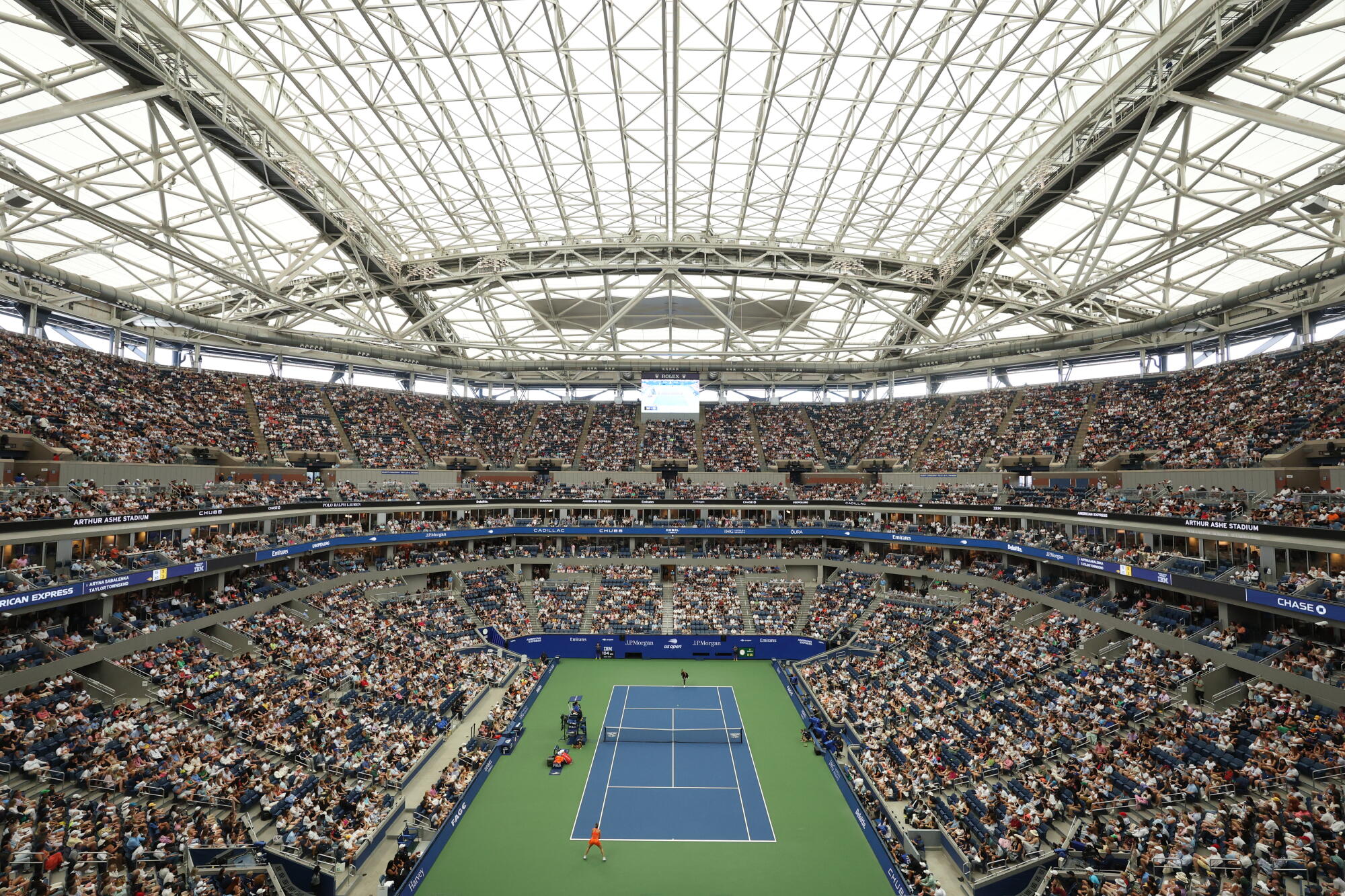
The U.S. Open is known for its vibrant and unpredictable atmosphere. Matches often extend past 2 a.m. The noise in Arthur Ashe and Louis Armstrong stadiums is constant. Social media influencers film content during points. On Friday, even the smell of marijuana reached the court, prompting a complaint from the world’s No. 1 player.
The tournament is proud of its chaotic identity, embracing the lively spirit of New York City. However, questions have arisen about whether this atmosphere detracts from the focus on tennis.
A Balance Between Fun and Focus
Jessica Pegula, top-ranked American and No. 3 seed, appreciates the energy but sees room for improvement. She believes better management is needed to prevent outside factors from impacting matches.
Aryna Sabalenka faced an excessive challenge during her third-round win over Kamilla Rakhimova. The two-time defending champion from Belarus mentioned the strong smell of marijuana during play. “Guys, you can do whatever, you can smoke whatever,” Sabalenka said after her match. “But please, do not do it around the tennis courts.” This highlights the sensory intrusions present at Flushing Meadows.
Noise as Part of the U.S. Open Experience
The tournament’s history is filled with tales of noisy crowds and strange smells. Since moving to its current location in 1978, it has tolerated overhead jets, rumbling trains, and late-night boozy fans. The 1979 tournament saw one of the event’s wildest nights with a second-round match involving Ilie Nastase and John McEnroe, marked by a crowd showering the court with debris.
Unlike the TikTok era, early tournaments experienced chaos without the added scale and intentionality of today’s events.
The Influence of Social Media
During Naomi Osaka’s opening match, influencers in a courtside suite gained attention by creating content during the game. This incident spurred discussions on the presence of content creators at sporting events and the need for educating them on tennis etiquette. Japan’s Osaka supports engaging new audiences but stresses the importance of respecting the sport.
Coco Gauff echoed this sentiment, emphasizing etiquette at events. “If you’re being invited to a red carpet, you wouldn’t show up in jeans,” she remarked. “Follow the etiquette of the sport. That’s all.”
Adversity Breeds Appreciation?
Some players view the turbulent environment as enjoyable. Martha Kostyuk and Alex de Minaur noted the difficulty in adjusting to the constant noise, each stating how it affected their play.
The U.S. Open finals often extend into early morning hours, challenging players. Matches extended past 2 a.m., with Venus Williams and Sofia Kenin setting a record by starting their match at 12:13 a.m.
Alexander Zverev and others see late nights as part of the U.S. Open’s allure. “I’m glad the atmosphere was like that,” 20-year-old Learner Tien mentioned, adding a simple boundary: “As long as no one is shouting in the middle of the points.”
Despite the challenges, Aryna Sabalenka appreciates the audacious vibe, stating she enjoys it.
A Uniquely New York Experience
The U.S. Open stands out among tennis’ four Grand Slam tournaments. Unlike Wimbledon’s restraint or the French Open’s elegance, it embraces night tennis, celebrity faces, loud crowds, and attentive spectators. This environment is intertwined with the tournament’s identity.
Craig Tiley, the new chief executive of the USTA, plans to enhance these aspects, aspiring to make the U.S. Open a “tennis Disneyland.” He welcomes the evolution of tennis, encouraging younger audiences familiar with the high-energy buzz of other sports.
Jessica Pegula remains hopeful that newcomers will adapt to the sport’s customs through exposure and attention towards tennis etiquette. “Tennis etiquette, it’s something you have to learn as you go to these events,” she remarked. Awareness might lead to better-informed spectators in future matches.