
President Donald Trump recently expressed disapproval of Texas Governor Greg Abbott’s decision to halt approvals for new data centers. The governor paused these approvals due to concerns over the growing demands for electricity and water by the industry. Trump’s comments occurred during an interview with Punchbowl News, released on Friday. This interview followed Abbott’s announcement to pause data center connections to the Texas electric grid, as reported by The Texas Tribune.
Trump remarked, “I saw Texas the other day sort of is against data centers. I think it’s a mistake. I’m not taking positions, I just think it’s a mistake, because there are other communities that want it. When a community wants it, it means a lot of money is going to come into that community.” He described data centers as financially significant, potentially more so than the oil industry for Texas.
Data Centers and Community Concerns
Data centers, essential for cloud computing and artificial intelligence (AI), draw criticism for their electricity and water usage, as well as noise and environmental impacts. Abbott’s office was contacted for comment by Newsweek regarding the pause.
Abbott Orders Data Center Audit
Governor Abbott announced a stall on approvals for data centers until regulators complete a thorough audit. The review will focus on projected electricity and water use, cooling systems, tax breaks, and community impacts. Projects not meeting Texas’s criteria will face denial of grid connections.
Andrew Mahaleris, Abbott’s press secretary, emphasized the initiative is to safeguard Texas’s power grid and water resources. He highlighted the state’s grid manager, ERCOT, has tracked a significant increase in electricity demand. Mahaleris added that data centers must provide essential information for informed regulatory decisions.
Texas Data Center Demand and Future Projections
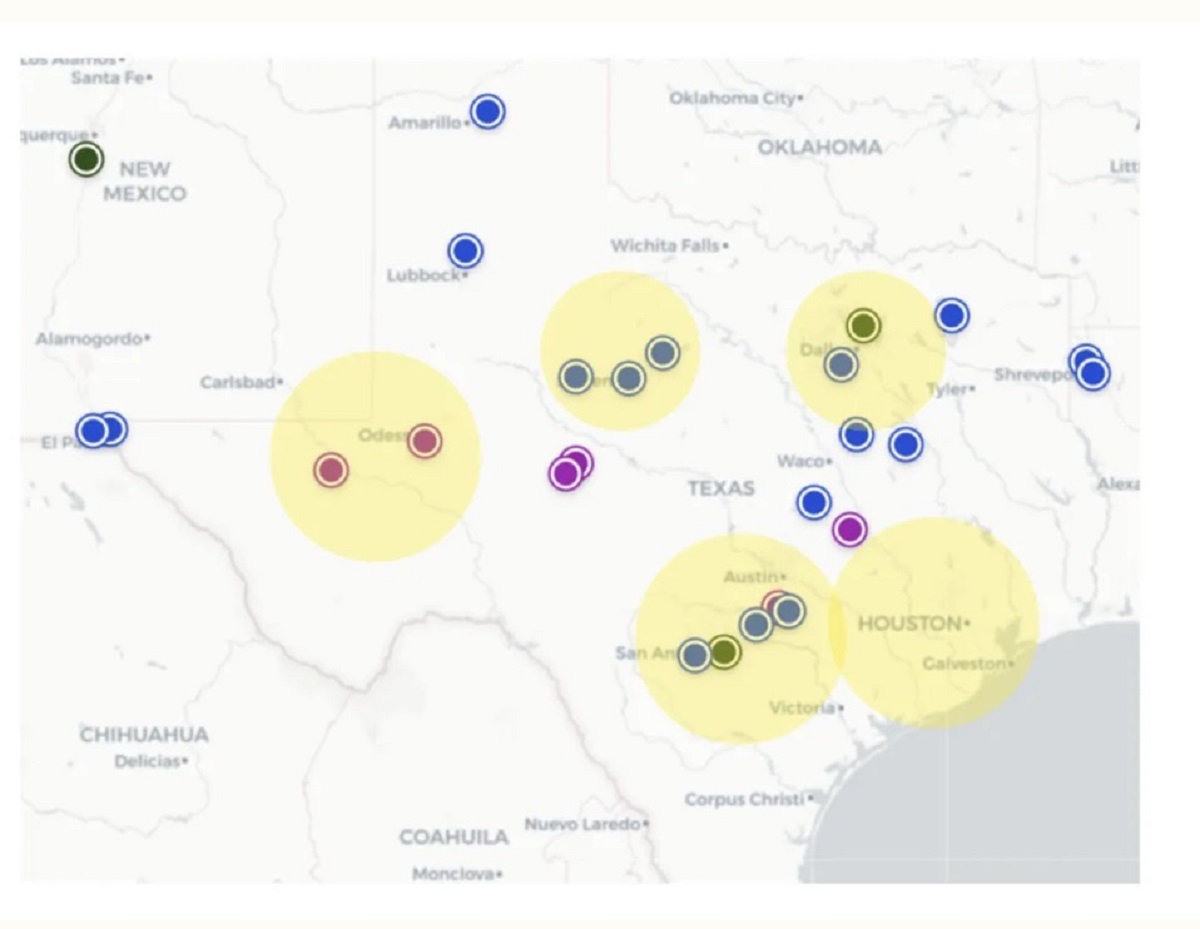
Texas is pivotal in the AI infrastructure boom, with ERCOT highlighting significant electricity demand from large-scale customers, predominantly data centers. The grid operator’s forecasts indicate a sharp rise in requests for electricity connections linked to data centers. ERCOT predicted these to increase from five gigawatts in 2026 to over 109 gigawatts by 2032. Oncor’s service area, including Dallas-Fort Worth, drives this large-load growth due to transmission infrastructure and available land.
An example is the $1.1 billion Fort Worth Data Center Project. However, it has faced local scrutiny over its resource consumption and infrastructure effects. Public opposition previously delayed tax incentive discussions.
Balancing Development with Infrastructure Needs
Trump’s stance contrasts with Abbott’s strategy, despite the governor’s openness to AI development in Texas. Abbott, endorsing Google’s significant investment in the state, positioned Texas as central to AI advancements. The operational pause does not equate to a blanket restriction on all data centers in Texas, as some may generate their own power independent of the state grid.
In an interview on Fox News, Trump reiterated his belief that denying AI developments harms community economics. He remarked that AI ventures could increase local property values and reduce taxes. However, a poll by Emerson College revealed a rising opposition to AI data centers among U.S. voters.
Data on the actual impacts of data centers on home values is still evolving. Current studies suggest varied effects, with potential economic benefits contrasted against local concerns like noise and water usage. Over 1,500 data centers are reportedly being developed across the U.S., according to Pew Research Center, with the Berkeley Research Group citing even higher numbers.