
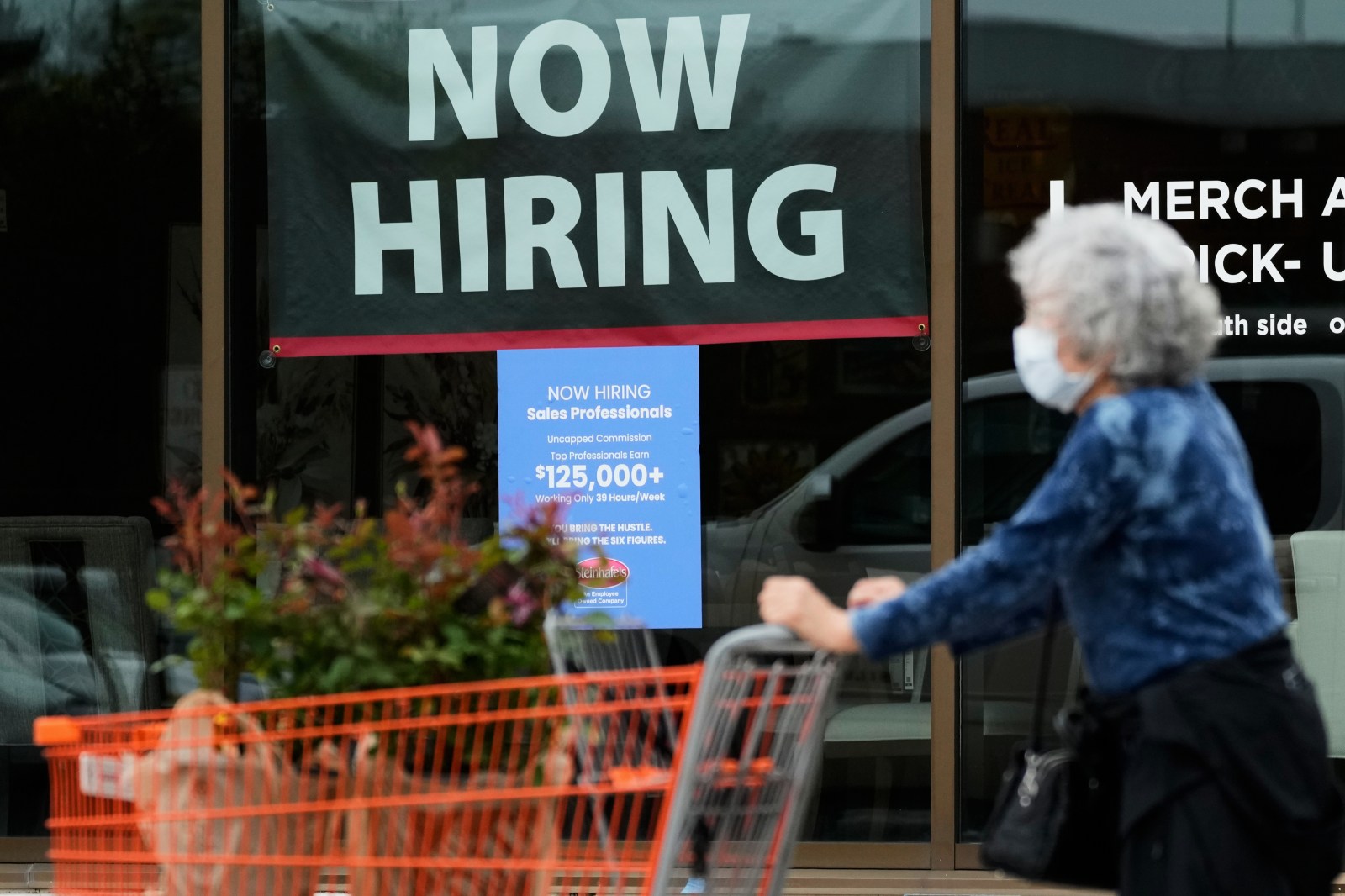
Weak Jobs Report and Interest Rates
The latest jobs report reveals a decline of 23,000 jobs in July, challenging the expectation that the Federal Reserve might boost interest rates soon. This decline may offer relief to homebuyers concerned about rising mortgage rates. However, it reflects broader economic challenges.
The Bureau of Labor Statistics reports significant job losses in local government, education, and retail trade. The situation has shifted expectations concerning the strength of the labor market. Charlie Ripley from Allianz Investment Management notes the reduced labor market momentum limits potential rate hikes from the Fed.
Economic Experts’ Views
Jamie Cox from Harris Financial Group suggests that the negative jobs report supports the Fed’s decision to withhold rate increases in July. While inflation fears persist due to international conflicts, the Fed’s current rates aim to curb inflation around its 2 percent target, as emphasized by Fed chair Kevin Warsh.
Jeffrey Roach from LPL Financial comments on the complications arising from a declining unemployment rate amid hiring slowdowns. This trend complicates the Fed’s decision on potential rate increments.
Influence on Mortgage Rates
Though the Fed does not directly set mortgage rates, its decisions influence borrowing rates. Mortgage rates are tied to long-term Treasury yields, which the Fed’s rate decisions heavily impact. Thus, if the Fed acts to control inflation, mortgage rates could rise. A weak job market could deter the Fed from raising rates further, potentially stabilizing mortgage rates.
Chris Zaccarelli from Northlight Asset Management highlights the shift in expectations: the report mitigates urgency for rate hikes due to inflation concerns.
Implications for Homebuyers
The latest report influences the Fed’s rate hike timeline, opening discussions for rate cuts. Realtor.com’s Jake Krimmel believes homebuyers might benefit from stable or reduced mortgage rates. Yet, a weaker job market could decrease buyer confidence.
A less robust labor market can improve financing but may reduce housing demand. Krimmel notes July’s housing market steadiness compared to the labor market, with sellers pricing more realistically, pending sales maintaining momentum, and homes selling slightly faster than last year.
Market and Economic Outlook
With average mortgage rates at 6.69 percent, both the Fed and potential buyers appear cautious. As inflation data shows a slight dip to 3.5 percent, the market remains in observation mode. Upcoming reports will further shape the economic landscape.