
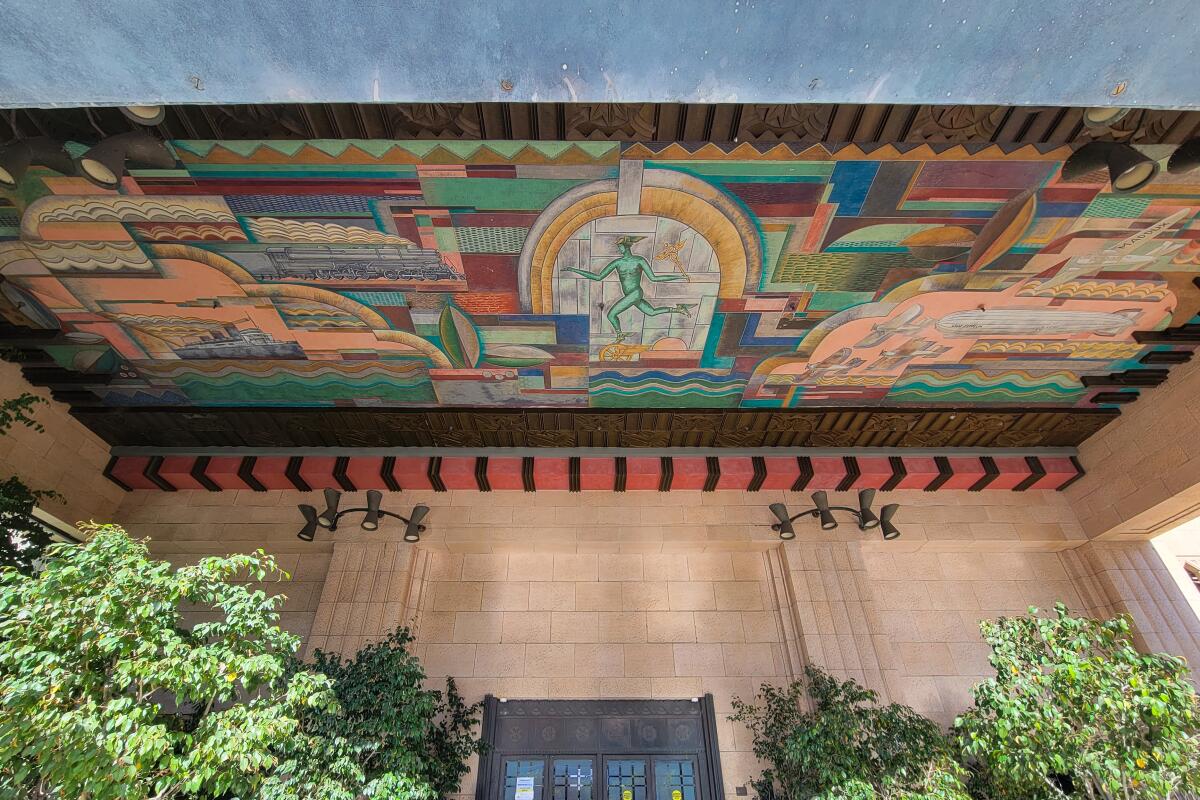
Growing up in Los Angeles, department stores served as clear indicators of social status. May Co. was a budget-friendly choice, especially during sales. Broadway was a step up, offering occasional deals. Bullocks catered to Buick and Lincoln owners, while Robinson’s attracted Cadillac drivers. I. Magnin, on the other hand, was frequented by the owners of Mercedes and Rolls Royce. Department stores were more than shopping venues; they were cultural institutions in post-war LA, offering a glimpse into different social strata even if the only purchase was a sample perfume.
This summer marks 20 years since the classic LA department stores vanished. The 2006 removal of Robinsons-May signs signified the end of an era. Although it outlasted stores like Bullock’s and Buffums, Rob-May could not compete with national chains and changing consumer preferences favoring stores like Target and Kohls.
In the past, department stores held significant influence in Los Angeles. Their advertisements filled newspaper pages, showcasing a hierarchy. Mid-market stores like May Co. and Broadway advertised in the news sections, while upscale chains like Robinsons were featured in the stylish features sections. Downtown LA’s large emporiums gave way to suburban malls, cementing department stores as suburban status symbols.
These stores were more than retail spaces. For many, including my grandmother, they were places of wonder. She preferred shopping at Fedco for everyday attire but found excitement in the elaborate settings of upscale stores like Bullock’s Wilshire. A postcard image reminds us of Pasadena’s Bullock’s department store grandeur. At Robinson’s in Beverly Hills, my grandmother marveled at luxurious materials like Travertine stone and rosewood, even as she sought glimpses of celebrities.
When Robinsons-May closed in 2006, its long-term employees mourned the loss of not just a retail haven, but also a unique public gathering space. My grandmother, who passed away before the closure, cherished these stores without acknowledging their controversial history. The tea rooms, which she loved, faced protests and lawsuits in the 1940s when Black patrons were denied service. They eventually succeeded in joining the experience my grandmother enjoyed.
Today, Pasadena’s Macy’s, once a Bullock’s, offers a nostalgic look at the past. My grandmother often visited to observe the luxury lifestyle. Each time Macy’s contemplates closing stores, I hope that the landmark at 401 S. Lake Avenue survives.
Los Angeles has undergone many changes, but the memory of its iconic department stores remains a testament to a bygone era of retail and sophistication.