
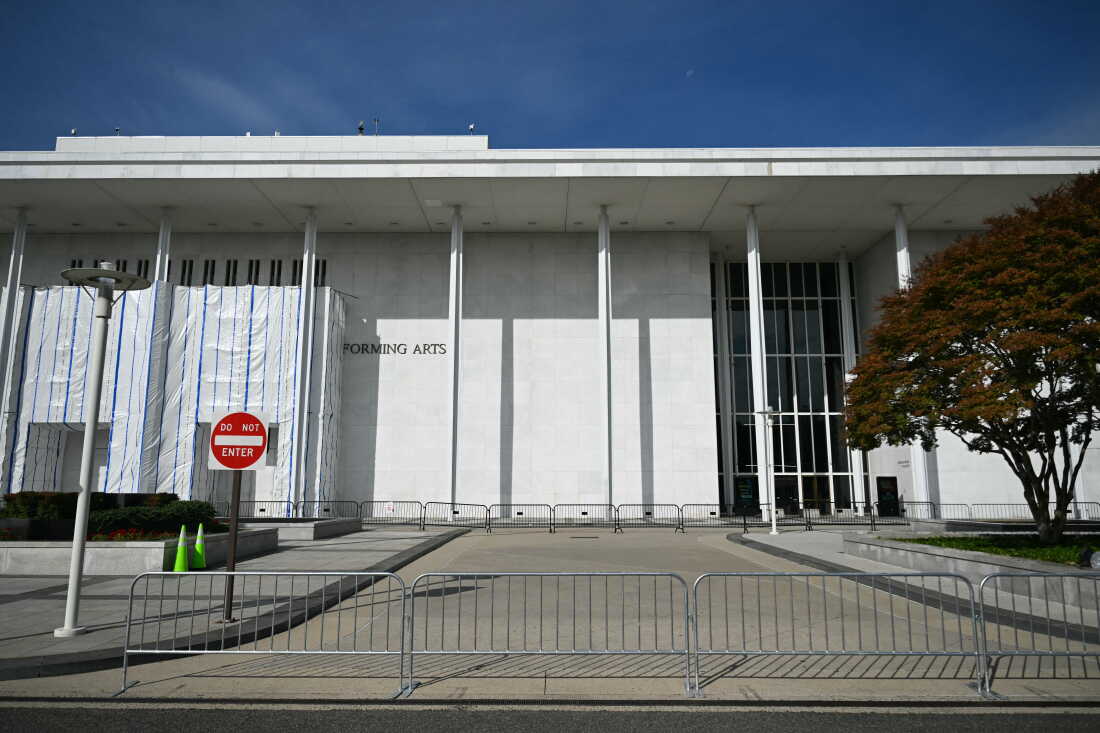
The John F. Kennedy Center for the Performing Arts in Washington, D.C. has been closed to the public since September, with a visibly blocked-off entrance noted on October 1. Despite its current closure, the center has announced a new artistic director, Rick Canny, a talent manager known for working with acts like ZZ Top and Tommy Lee, former drummer of Mötley Crüe.
Rick Canny’s appointment has sparked internal concerns due to his controversial business practices. Previously, he served as a consultant for the arts institution shortly after President Trump assumed the role of chairman in February 2025. Matt Floca, the executive director and chief operating officer of the Kennedy Center, communicated Canny’s new role via a high-level staff email obtained by NPR.
Canny’s Role and Responsibilities
Canny will provide strategic advice on artistic strategy, presenting, talent curation, ticketing, pricing models, media opportunities, and programming sponsorships. He has been involved previously as a creative lead for events like the Kennedy Center Honors and the Mark Twain Prize.
However, Canny’s history with the center has raised concerns. A memo from Sammy Miller, the former senior director of music programming at the center, pointed to significant fees and expenses charged by Canny, including a $30,000 consulting fee in one month and an additional amount exceeding $28,000 in another month for fees and travel expenses. Notably, the latter included first-class flights between Los Angeles and Washington, D.C.
Financial Concerns and Controversy
The Kennedy Center’s financial state has been a topic of debate. The institution has publicly claimed it is near bankruptcy, attributed partly to alleged losses of “hundreds of millions” of dollars according to statements by Trump. However, these claims were made without evidence.
In reaction to the controversy surrounding Canny’s fees, the Kennedy Center made a statement to The New York Times clarifying that the $30,000 expense does not reflect Canny’s current agreement, but more specifics were not provided. Additionally, the center has faced internal criticism for its management’s perceived protection of Canny.
Legal Battles and Future Plans
The Kennedy Center remains in legal proceedings as the board, mainly appointed by Trump, fights to close the venue for two years for a renovation project. During this time, Trump has asserted that without his name prominently displayed on the building, he might pursue the center’s demolition.
While public and educational programs are limited, the center’s decision to appoint Canny and its ongoing legal and financial issues continue to attract national attention.