
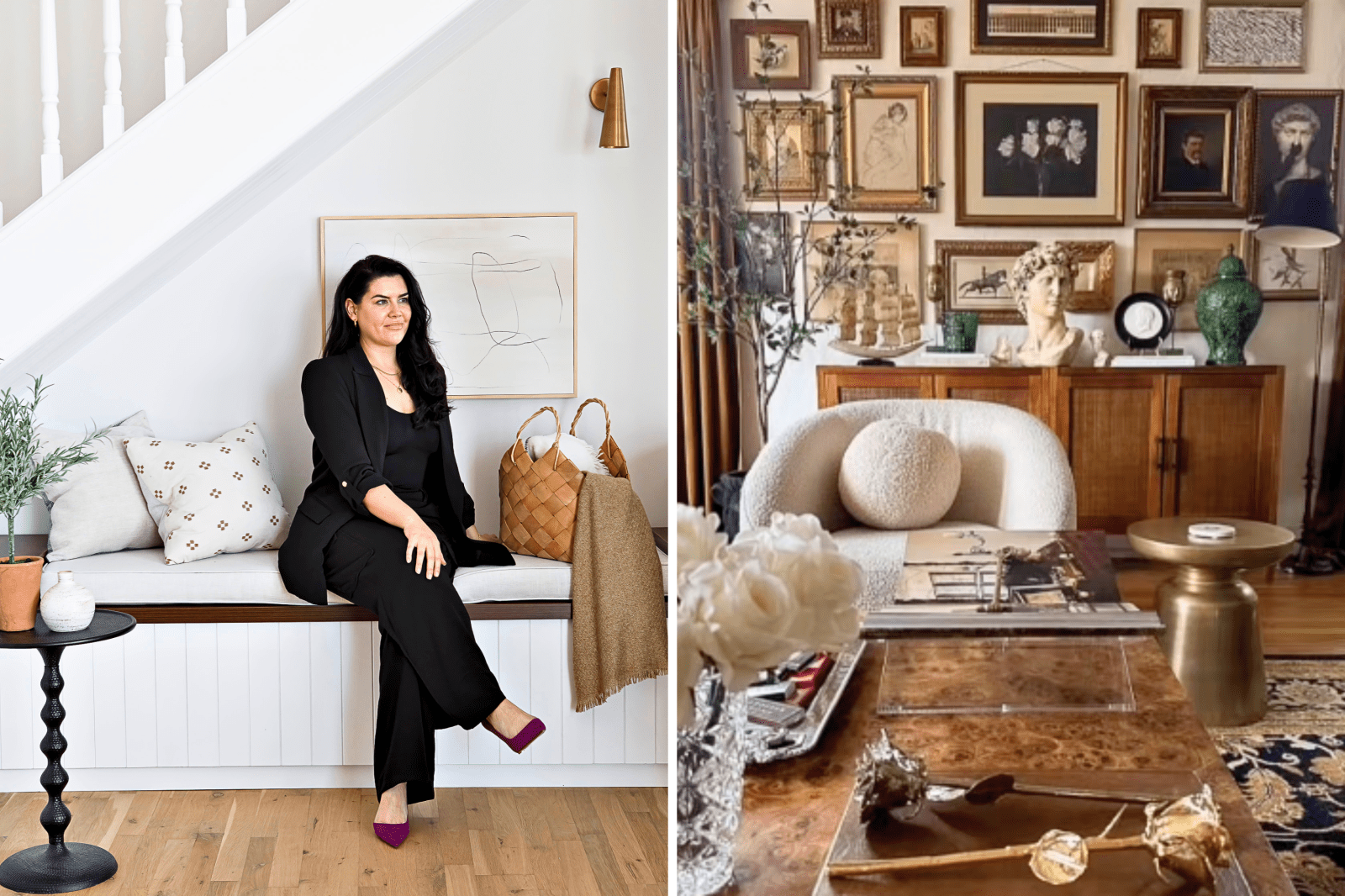
The “granny chic” style gained popularity on platforms like Pinterest and Instagram with its blend of warm wood tones, gold accents, and vintage charm. However, designers suggest that this trend’s moment in the spotlight might be fleeting. Trend lifecycles have shortened, making the signs of their decline more apparent. Styles often start on mood boards, appear in magazines, and soon become widely accessible on platforms like Amazon. What once felt unique can quickly transform into a mainstream facsimile.
Granny chic, marked by warm, light-filled rooms with antiques, dark woods, brass accents, and botanical prints, has been a dominant design choice for over six years. Rooted in the “light academia” aesthetic, it offered a contrast to earlier cold, minimalistic styles. But now, its broad appeal marks potential saturation.
The Decline of the Granny Chic Trend
“This style rose swiftly due to a desire for warmth, nostalgia, and character,” says Aoife Maria Tobin, creative director of Style So Simple, an interior design studio in Ireland. “Heritage elements and vintage pieces make a home feel lived in and soulful.” However, Tobin highlights that mass-produced replicas dilute its charm. Authentic vintage or antique items carry a history and value that replicas lack. Once this unique look becomes commercially available, it risks becoming costume-like.
Tobin compares this to modern farmhouse styles, which were once considered timeless but quickly became dated once over-replicated. She sees a similar trajectory for granny chic. “Once it reaches mainstream, retailers replicate it, and mass-produced versions appear,” she explains.
Samantha-Jane Agbontaen, founder of House Designer, notes the trend’s undoing was part of its rise. “Granny chic gained popularity as it brought warmth and nostalgia after years of cold minimalism,” she says. But when it turns into a checklist, it loses the qualities that made it popular. Both Tobin and Agbontaen highlight how fast-paced social media can accelerate trends and diminish their uniqueness.
Adapting to Rapid Trend Cycles
The furniture market, estimated to be worth $597.71 billion in 2025 and growing towards $996.38 billion by 2034, accelerates trend shifts by offering more products and choices at a faster pace. Data from Sharps, a fitted furniture brand, shows a rapid rise in interest for granny chic, with significant yearly increases in searches for earthy tones and chocolate brown interiors.
Agbontaen observes that people still desire warmth and character in their spaces. They are choosing vintage and antique pieces with a more timeless approach. Tobin adds, “Even if granny chic fades from popularity online, I will still appreciate it, just as I do with gray interiors and modern farmhouse styles when executed well.” The essence of granny chic isn’t the issue. The problem lies in its dilution through mass reproduction.