
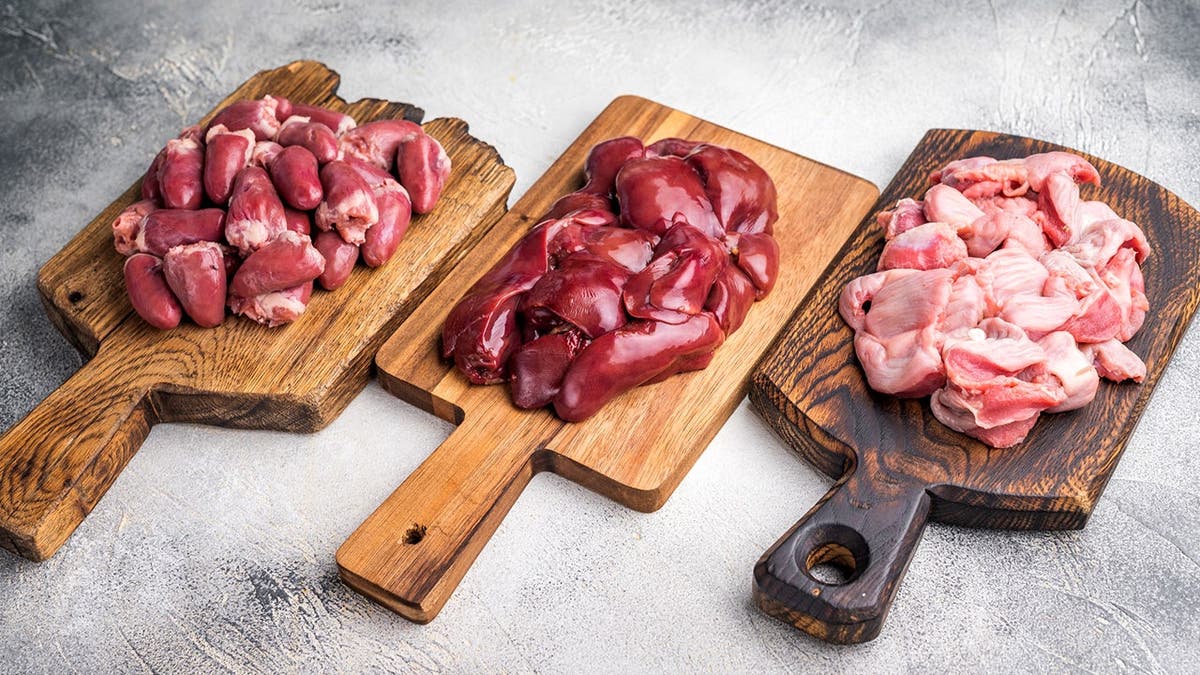
Organ meats, known as offal, are considered highly nutritious and economically viable. These include kidneys, liver, and heart. Despite their benefits, many Americans avoid them. According to the Cleveland Clinic, these meats are rich in protein and often contain more vitamins and minerals than common muscle cuts.
A 3-ounce serving of beef liver, sometimes termed “nature’s multivitamin,” provides on average 70.7 micrograms of vitamin B12, according to the National Institutes of Health. In contrast, the same serving of top sirloin steak holds about 2.41 micrograms of B12, based on data from the U.S. Department of Agriculture (USDA).
The nutritional benefits of organ meats surpass many traditional cuts of meat.
Organ meats are also economically attractive. They are estimated to cost 50% to 90% less than cuts like filet mignon or ribeye. On Instacart, USDA Choice beef liver is priced at $3.39 per pound, whereas USDA Choice beef loin top sirloin is sold for $14.29 per pound.
Roxana Ehsani, a registered dietitian from Washington, D.C., explains that these cuts, such as liver, contain higher levels of vitamin A, B vitamins, copper, folate, and iron compared to more popular meats. However, they may also have higher cholesterol and saturated fat levels.
Organ meats were a regular part of American diets before World War II. During the war, they were promoted as an alternative to muscle cuts to support soldiers. Many international cuisines feature dishes like tripe, haggis, foie gras, and pâté, where offal is primary. Despite a drop in domestic demand, out of the total U.S. beef exports, organ meats contributed 22%, generating nearly $1.1 billion by 2024, according to the 2025 Michigan State University Extension report.
In the post-war prosperity era, offal consumption decreased, partly due to its association with wartime rationing and poverty, reports The Takeout. The industrialization of meatpacking also led to its decline, as the focus shifted to efficiency and less labor-intensive processing.
The concept of eating organ meats, being termed “nose-to-tail” or “ancestral” eating, is seeing a resurgence. Health and Human Services (HHS) Secretary Robert F. Kennedy Jr. endorses liver for its affordability. The Make America Healthy Again (MAHA) initiative also encourages the consumption of nutrient-rich whole foods and proteins.
To adapt to the distinct flavors and textures of these meats, Ehsani suggests incorporating organ meats gradually into diets. “You can mix half organ meat with half ground beef in familiar recipes,” she advises. Enhanced flavoring with fresh or dried herbs and spices can also make these cuts more palatable.