
Colombia offers a unique experience for birdwatchers with more than 2,000 bird species, the highest number in any country, thanks to its varied geography and historical circumstances. Decades of conflict among the government’s forces, left-wing guerrillas, right-wing paramilitaries, and drug traffickers kept many regions isolated, preserving the natural habitat. After the 2016 peace agreement with FARC, the possibility of travel opened up, enhancing the ecotourism industry in Colombia.
On the western slope of the Andes, Tatamá National Park emerges as an ecological haven with its dense rainforests and numerous rivers. Before dawn, a trip through the undisturbed wilderness showcased an array of birds, each species distinct in color and behavior.
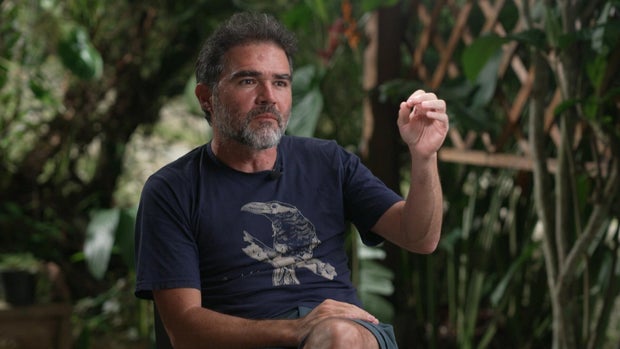
Renowned bird guide, Diego Calderón Franco, identified numerous birds such as the male violet-tailed sylph and the velvet-purple coronet, sharing these sightings with Anderson Cooper on a recent expedition. Enthusiastic debates even occurred over territorial disputes between Empress brilliant hummingbirds, underscoring hummingbirds’ fierce nature.
“Hummingbirds, you know, they look cute but they’re real warriors,” Diego stated.
Diego’s connection with nature extends beyond guiding. Previously, during his kidnapping by the FARC in 2004, he found solace in observing birds, even under duress. During captivity, on scraps of cigarette paper, Diego noted seeing a slaty brushfinch for the first time—a discovery made during a precarious situation.
After his release, Diego ventured into birding tours and collaborated with locals like Michelle Tapasco, who established the Montezuma Rain Forest Ecolodge. Her motivation stemmed from a history of violence in the area and a determination to capitalize on the inflow of birdwatchers.
The local ecosystem serves as a perfect environment for over 160 hummingbird species, known for their remarkable flight capabilities.
“These guys, they are the only group of birds in the world that can fly not only forward but up, down, and backwards,” Diego highlighted.
Efforts for lasting peace involve rehabilitation through education in conservation, with former guerrillas like Marcos Guevara finding new vocations in bird photography and eco-guiding, possibly fostered by Diego’s initiatives in birdwatching.
Despite ongoing challenges like the threat of violence, interest in Colombia’s enrapturing biodiversity grows. Birdwatchers such as Garry George and Joseph Brooks from Los Angeles visit searching for rare species while maintaining extensive life lists of bird sightings.
Global bird populations are under threat; however, initiatives at places like Tatamá National Park and the Montezuma Ecolodge seek to preserve local species. Michelle Tapasco’s efforts contribute significantly, as her daughters pursue roles in biology and conservation, embracing birdwatching as both a livelihood and passion.
During a final birdwatching day, the group observed the Gold-ringed tanager, a species exclusive to this mountain range, exemplifying the profound uniqueness that the park offers.
“Now you belong to a higher cult of mortals, for you have seen the gold-ringed tanager,” Diego remarked.