
Updated on: September 6, 2026 / 10:47 AM EDT / CBS News
From journalist and former Carter White House speechwriter James Fallows, reflections on the legacy of September 11, twenty-five years after the events that changed the world:
We often experience history’s pivotal moments without knowing their ultimate direction. On December 7, 1941, Pearl Harbor’s attack marked the end of American isolationism and the beginning of global engagement. The attacks on September 11, 2001, appeared to alter everything at the time.
On this 25th anniversary, we reflect on changes that seemed permanent but weren’t, and others that future generations might seek to reverse. The darkest periods often reveal the best in people. Le Monde’s headline, “We are all Americans,” encapsulated this sentiment. NATO’s members, for the first time in history, unanimously voted to defend an ally in need.
In the U.S., there was a strong sense of gratitude towards first responders and ordinary heroes. President George W. Bush, initially caught off guard by the attack, visited Washington’s Islamic Center days later. He urged the nation to remember that although the attackers were Muslim, Islam itself was not the enemy. “In our anger and emotion, our fellow Americans must treat each other with respect,” he stated.
This unifying spirit waned quickly. Many lasting changes in America have not been adequately scrutinized. Prior to 9/11, the Department of Homeland Security, TSA, and ICE did not exist. These functions were conducted more modestly without overreach.
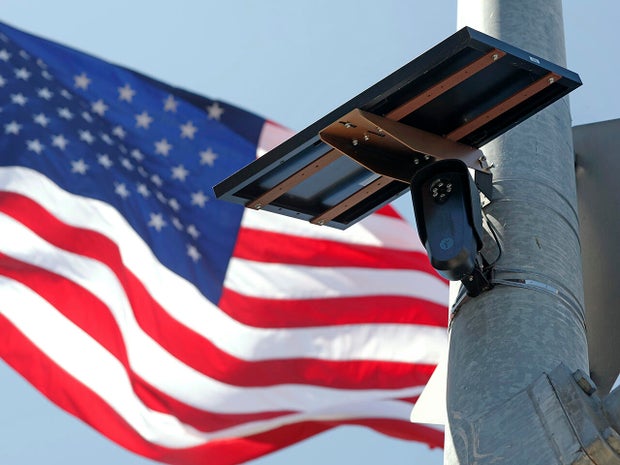
The Patriot Act and the surveillance infrastructure began forming after 9/11. In Burbank, California, Flock Safety’s camera capturing license plates, now used in over 120,000 locations across 49 states, has faced criticism from privacy advocates for concerns over mass surveillance.
Police forces were not equipped like combat troops before 9/11. The war in Iraq began after the attacks, even though no Iraqis were involved, leading to continuous conflicts.
Many changes were bipartisan and incremental. In hindsight, the U.S. endured an attack and avoided its repetition. However, the attackers managed to alter national life and culture. History had other unfortunate turns: After the Civil War with the retreat from Reconstruction, and during the 1920s and ’30s when the U.S. closed its doors as fascist regimes emerged globally.
There is hope that in another 25 years, the U.S. will have seriously contemplated who it is and who it aims to become.
Remembering 9/11:
Where tragedy left its marks
Andrew Card on the moment everything changed
Robert De Niro on helping revive Lower Manhattan after September 11
When Gander provided safe haven in a time of crisis
“Come From Away”: Transforming tragedy into art, darkness into light
For more information: James Fallows, Breaking the News (Substack)
Story produced by Annie Iezzi. Editor: Emanuele Secci. In: 9/11