
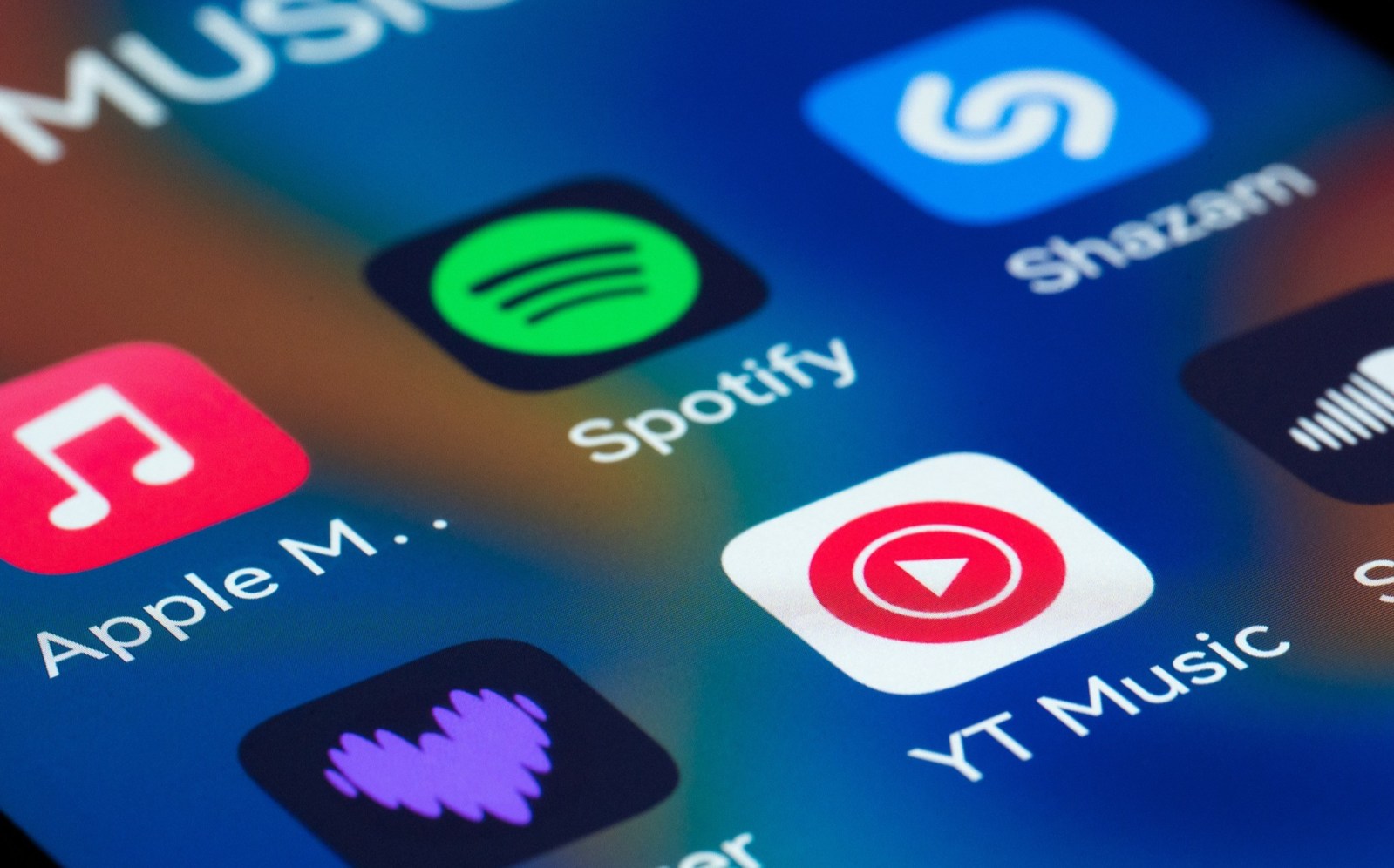
Music’s reach has transformed dramatically. A song produced in a bedroom can now be heard across continents within hours. Streaming has brought decades of music into our daily lives. The industry is thriving. According to the International Federation of the Phonographic Industry (IFPI), global recorded music revenue hit a record $31.7 billion in 2025. Streaming made up over 69 percent of the total. However, a key question arises: as music grows, is its culture diminishing?
Music Detached From Its Origins
The real threat to music is not artificial intelligence but an industry increasingly valuing scale over culture. Metrics like streams, followers, and viral moments measure how far music travels but not its cultural impact. Historically, music began locally before becoming global. Jazz was tied to New Orleans, Motown to Detroit, hip-hop to the Bronx, and grunge to Seattle. These movements were rooted in local communities, musicians, and venues taking risks.
Streaming broadens opportunities. IFPI reported 837 million paid subscriptions globally in 2025. Latin America grew 17.1 percent in revenue, while the Middle East, North Africa, and Sub-Saharan Africa grew by 15.2 percent. Technology enables artists to overcome borders once managed by large distribution networks.
Algorithms, Optimization, and Familiarity
While technology aids access, discovery is a different challenge. Success, filtered through engagement metrics, leans towards scalable content. Artists learn what garners clicks, companies retain engagement, and algorithms replicate familiar themes. This may unintentionally create cultural issues by optimizing familiarity.
The effects are notable. While offering a vast marketplace, music might steer listeners to familiar variants. Local venues could weaken, new musicians may lack experimental spaces, and regional scenes might struggle to gain momentum. Access to more music than any prior generation could coincide with losing places where unique sounds emerge.
Beyond Blaming AI
Artificial intelligence might increase this pressure, lowering production barriers and enhancing creative tools for musicians. Yet, blaming AI misses the root issue. Technology aligns with industry incentives, focusing on engagement and scale. Maximizing reach should not sacrifice cultural identity.
The music industry should use technology to amplify local cultures rather than flatten them. Global platforms should feature emerging scenes, introducing listeners to unique sounds from places like Detroit, Lagos, and Seoul. Technology should enhance local music ecosystems, not replace them.
Achieving this requires change. Major streaming platforms should allocate at least 10 percent of editorial discovery to locally curated emerging artists, reporting on these placements annually. Involving local programmers and music communities in this process is crucial.
The percentage can adapt, but cultural development must earn recognition alongside engagement metrics. Securing music’s future hinges on reinforcing technology’s role in strengthening cultural identities. While algorithms can predict songs, unique music emerges from communities.
Randy Dominguez is Executive Producer of The Jersey Sound, a media platform promoting venues and music businesses. They document New Jersey’s music culture through artist interviews and historical features.
The views expressed in this article are the author’s own.