
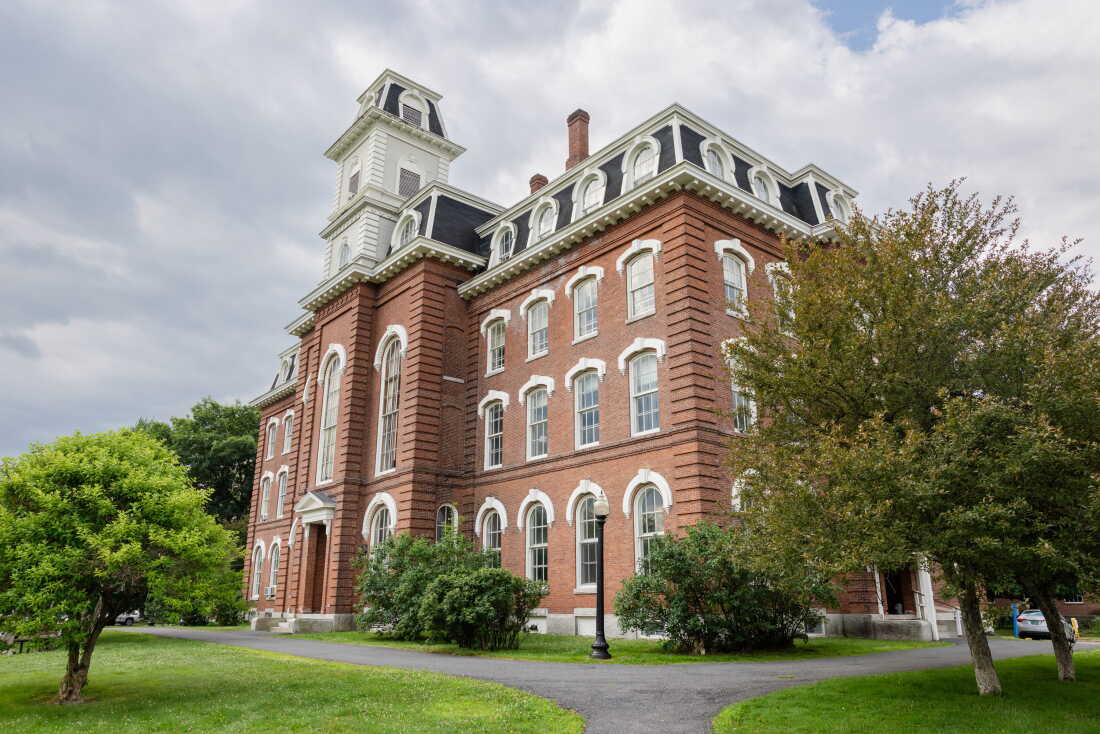
The Greenway Institute is transforming an old college campus in Montpelier, Vermont. This historic site, dating back to the 1870s, is poised to redefine higher education for modern times. A team of business, academic, and government leaders is spearheading the development of a new college model here, addressing both delivery and cost challenges in higher education. As evidence of the necessity for change, 152 colleges have closed or merged since 2016, with 442 others at risk, according to recent projections.
The Greenway Institute will integrate effective teaching methods such as experiential learning under faculty mentorship, while eliminating costly administrative layers and nonacademic amenities. Founding President Mark Somerville highlighted the practical approach, emphasizing meaningful student-faculty relationships and personal responsibility.
Despite the challenges, the timing of Greenway’s launch aligns with a backdrop of college closures. Seven private colleges in Vermont alone have closed over the last decade. This “moment of mass extinction,” as Somerville calls it, underscores the urgent need for innovative educational models.
The concept has gained enough traction to join Duke University’s Future Universities Alliance, consisting of experimental higher education institutions. Other members, like Project Polymath, are also exploring mentorship-led programs offering multiple majors and apprenticeships.
Greenway’s campus, acquired in 2023, previously belonged to the Vermont College of Fine Arts. The campus is undergoing renovations to support real-world project-based learning. The plan is to open in fall 2027, with ambitious goals to raise $30 million by 2031, supported by entities like the National Science Foundation.
The focus will be on engineering, with guidance from faculty and industry experts. A pilot test in spring 2025 involved students engaged in hands-on learning, designing wind turbines and solar-powered traffic signals, diverting from traditional lecture-based education.
Research from the University of Wisconsin-Madison and the Strada Education Foundation confirms the benefits of work-based learning. Fewer than half of public university students experience paid practical learning, which often leads to better job prospects and higher earnings.
Greenway expects to house students on campus for two years, later transitioning them into workplace environments, still under faculty supervision. This model decreases housing costs and aligns with findings by the Association of College and University Housing Officers on communal living benefits.
The college’s curriculum teaches students practical skills such as cooking and personal time management, preparing them for post-graduation life. This approach challenges the traditional college structure, focused on noninstructional spending on amenities.
Tuition is expected to be $25,000 or less annually, supported by the earnings from the students’ third and fourth-year internships. Accredited co-op programs report average student earnings exceeding $50,000 a year.
Currently awaiting formal accreditation, which could take over four years, Greenway aims to retroactively apply credits toward its students’ degrees. Expansion plans include accommodating 500 students in Montpelier, with the vision to establish other campuses nationwide.
Rebecca Holcombe, a Vermont state representative and co-founder, notes that Greenway caters to students with clear career aspirations, willing to embrace a focused and practical education model. Despite college closures in Vermont, the state remains committed to educational innovation and is ready to explore new solutions.