
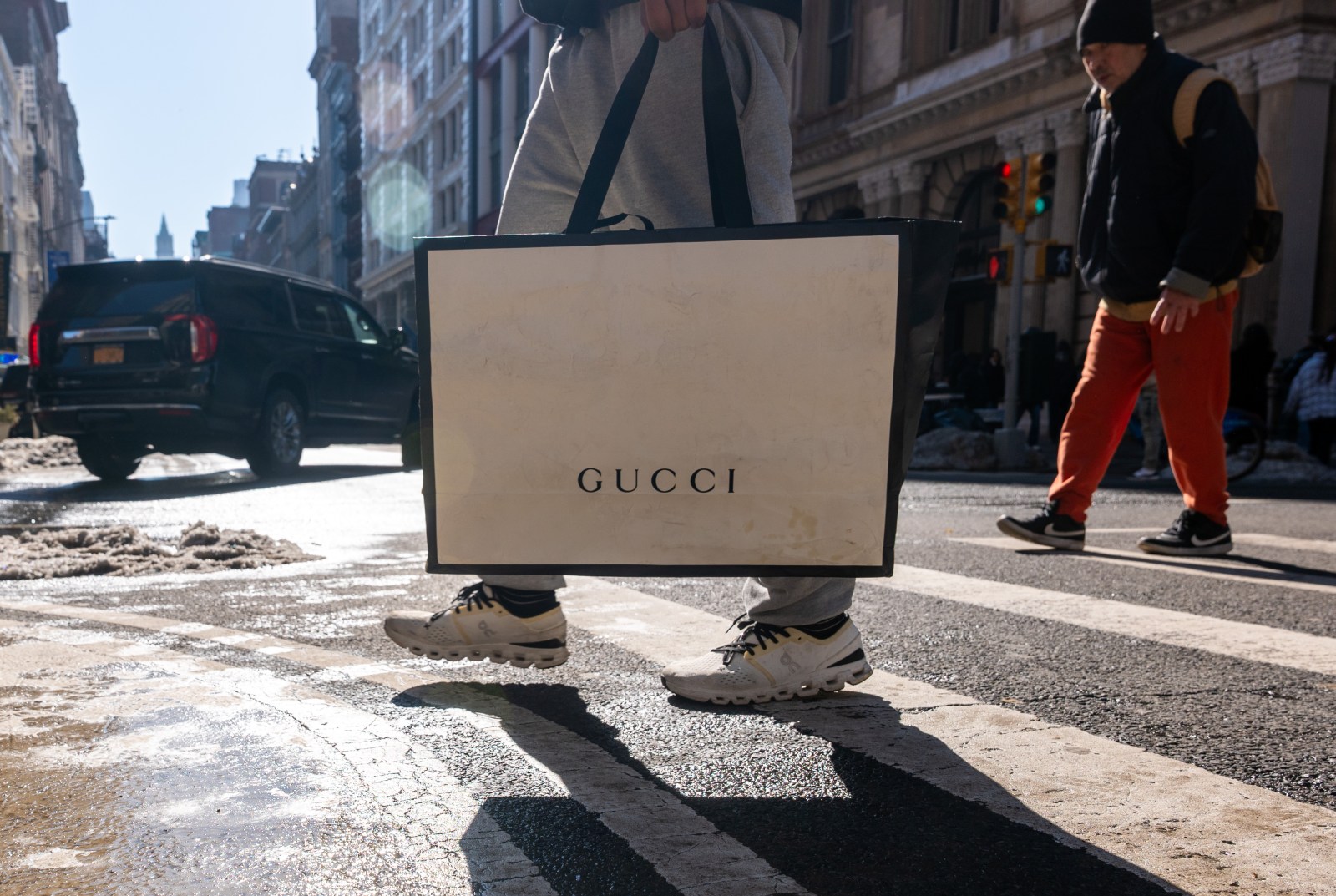
The U.S. economy is increasingly characterized by a growing divide between affluent consumers and those who are struggling, with inflation consistently rising. Consumer spending has traditionally accounted for about two-thirds of all economic activity in the United States. Yet, a larger portion of this spending is now coming from wealthier households.
A study by researchers at Bank of America highlights that the top 10 percent of earners spend as much as the bottom 40 percent across all major categories. Notably, when it comes to discretionary items, this affluent group spends nearly as much as the bottom 70 percent combined.
Affluent Consumers Propping Up Spending
Inflation reached a three-year high in the latest Department of Labor report. Despite some labor market strengths, rapidly rising prices have led to a decline in consumer confidence near historical lows. Nonetheless, consumer spending remained strong, even accelerating in May as prices rose at their fastest pace since April 2023. This suggests affluent consumers are sustaining overall expenditures.
The Bank of America Institute states that discretionary spending growth is skewed toward higher-income households. Discretionary categories are important as they signal the health of consumer spending. Affluent consumers’ continued spending may keep inflation persistent.
How Inflation May Depend on Wealthy Spenders
As wealthier households account for more discretionary spending—covering areas like restaurants, travel, luxury goods, and entertainment—inflation is less evenly distributed across all consumers. Consequently, the spending behavior of affluent Americans affects overall demand significantly.
This reflects a ‘K-shaped’ economic trend where richer Americans thrive amid more cautious spending from lower-income households. Continued demand from higher-income consumers can deter businesses from lowering prices and, in some sectors, may even encourage price increases.
If wealthy Americans maintain their spending despite higher interest rates and rising prices, inflation could remain more persistent, challenging lower-income households facing affordability issues.
Inflation Outlook Amid Iran War Negotiations
In a speech discussing the central bank’s recent interest rate decision, Federal Reserve Chair Kevin Warsh noted that inflation is elevated largely due to ‘supply shocks’ from the Iran war. However, recent negotiations between the U.S. and Iran have led to sharp declines in oil prices and domestic fuel costs. This recovery is easing some inflation pressures.
Speaking at the European Central Bank Forum in Portugal, Warsh acknowledged that inflation ‘risks’ and expectations have decreased, while reiterating the central bank’s long-term goal of a 2 percent inflation target.
Contact Newsweek editors on this story: Dan Orton and Sam Wilson.