
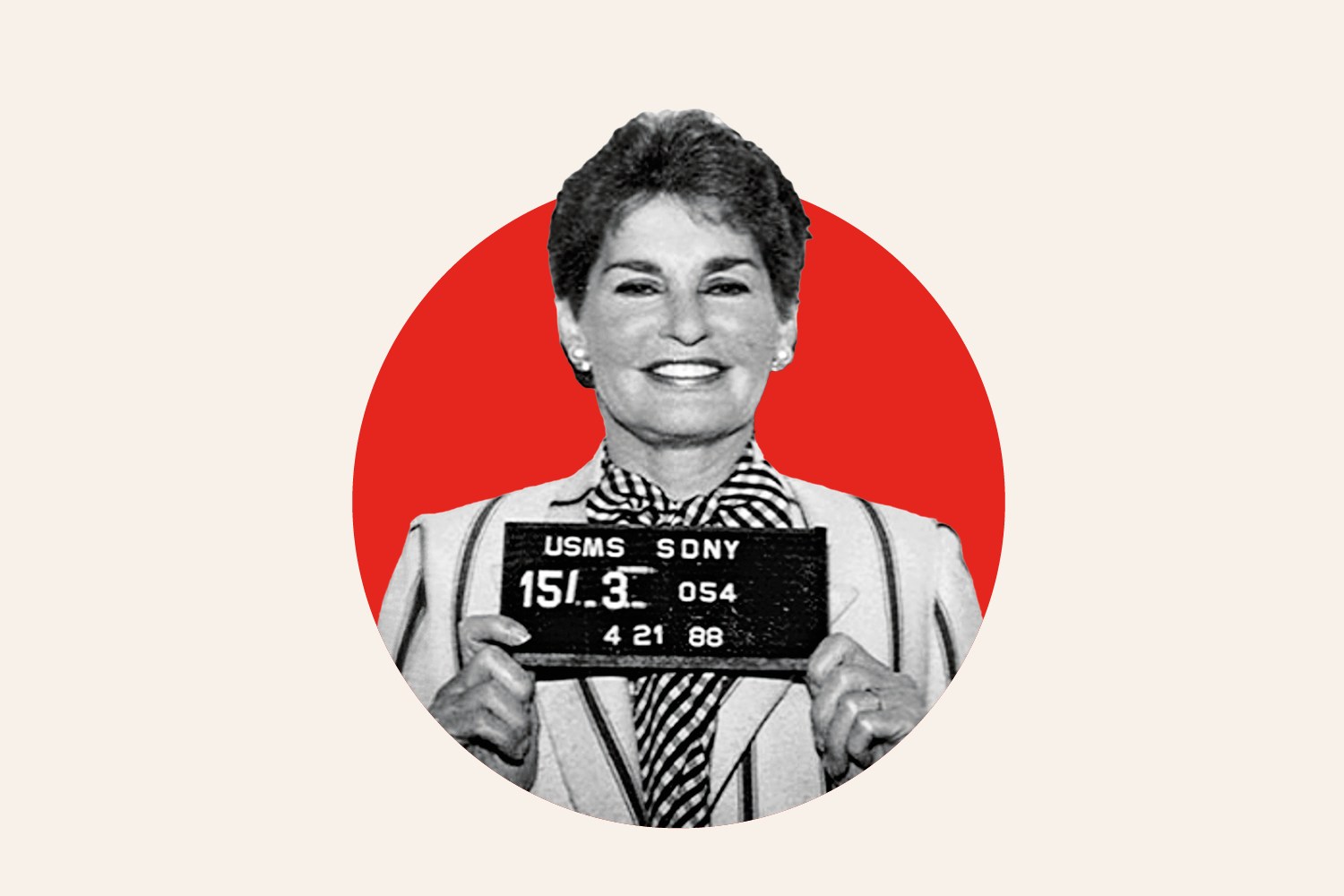
In 1989, billionaire hotelier Leona Helmsley, dubbed the “Queen of Mean,” allegedly remarked, “We don’t pay taxes. Only the little people pay taxes.” Although Helmsley denied saying this and denied tax evasion, a jury ultimately convicted her. Despite the notorious quote, it’s not just the ‘little people’ who face taxes. During President Eisenhower’s era, the top marginal federal income tax rate in the U.S. was 91%. Similarly, in Britain during the 1970s, the top marginal rate reached 98%.
Changes came under President Reagan, who reduced the top rate to 28%. Today, it stands federally at 37%, with state taxes bringing the average top rate to 42.1%. Despite midterm statements from Democratic Socialists of America (DSA) candidates, this rate is close to the Organization for Economic Cooperation and Development’s (OECD) average of 43.4%. The perceived socialist model in Europe, with lower productivity and growth, collects higher tax revenue, accounting for 34.1% of GDP compared to America’s 25.6%. However, Europe achieves this not by heavily taxing billionaires but through broader taxation. Only three European countries still maintain a wealth tax.
California Governor Gavin Newsom and several tech leaders opposed Proposition 40, a proposal for a one-time 5% tax on billionaires’ wealth, which California voters rejected. This was seen as both a victory for Newsom and a reflection of Democratic division, noted in a story where 29% of readers viewed the coverage as right-leaning, with no one considering it left-leaning. A poll indicated that 85% favored a billionaire tax, yet reactions within Newsweek’s readership were mixed.
Some opposed the idea of billionaires in the U.S., considering extreme inequality a democracy threat, and highlighted that progressive taxation hasn’t been fatal since its inception in 1913, humorously adding, “we have a trillionaire.” Yet opposition to California’s wealth tax proposal was prevalent. One reader sought a simplified tax code free from “thousands of loopholes,” while another pondered the justification for resentment against the wealthy. Concerns about the rich relocating due to high taxes were also expressed, with one reader asserting, “It would be an attractive idea if it worked. It never will.”
The issue of taxing wealth effectively remains unresolved, with a shared sentiment that the wealthy shouldn’t have a lower tax rate than middle-class Americans. A 2021 Biden White House study counted unsold stock as income, finding the 400 wealthiest families paid an average federal income-tax rate of 8.2%. Critics argue that including corporate taxes yields a rate closer to 23%. In either case, Helmsley might approve of the figures.
As Democrats face upcoming political challenges, they must address the question: Whose side are you on?